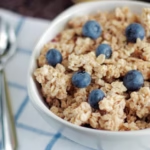
What Foods Help You Poop?
If you’ve found yourself searching for the answer to “What foods help you poop?”, you’re not alone! Many people experience occasional constipation or simply want to ensure their digestive system is working well. Sometimes, the foods we eat can play a significant role in how our body processes waste. If you’re feeling a bit backed up or just curious about promoting regularity, it’s good to know that certain foods can be your allies in keeping things moving smoothly.
Understanding the link between what we eat and our digestive health can help us maintain a healthy gut. After all, nobody enjoys feeling sluggish or uncomfortable. In this article, we’ll explore which foods can aid in digestion, how they work, and what you can do to support your bowel health. Let’s dive into the world of nutrition and learn how we can make our bodies feel great!
What Does This Mean?
When people ask, “What foods help you poop?”, they are often looking for specific dietary choices that support regular bowel movements. This can include foods that are high in fiber, fluid-rich, or have natural laxative properties. Fiber is a vital nutrient that helps to create bulk in your stool, making it easier to pass. Luckily, many delicious foods can help you increase your fiber intake and support your digestive health.
In addition to fiber, staying hydrated is essential, as fluids help to soften stool. Some people may also seek foods with probiotics, which contribute to a healthy gut environment. Let’s explore the various types of foods that can assist you in achieving regularity in a way that works for your body.
Why Does This Happen?
There are many reasons why someone might struggle with bowel movements. One possible reason could be dietary habits. For instance, a low-fiber diet can lead to harder stools that are difficult to pass. Another common factor is hydration; if you’re not drinking enough water, your digestive system may struggle to function properly. In some people, lifestyle factors such as reduced physical activity or high stress levels may also play a role in constipation.
Research suggests that dietary patterns high in refined sugars and processed foods can contribute to sluggish digestion. It’s important to recognize that everyone is different. What works for one person may not work for another, so it’s crucial to listen to your body and make adjustments as needed.
Common Causes
There are several factors that can contribute to difficulties with bowel movements. Here are some of the major causes:
1. Low Fiber Intake: Eating a diet low in fiber-rich foods can slow down digestion. Foods like fruits, vegetables, whole grains, and legumes are excellent sources of fiber that help bulk up stool and facilitate easier passage.
2. Insufficient Hydration: Not drinking enough water can lead to harder stools since water helps soften waste matter. Hydration helps everything flow more smoothly, so aim for adequate fluid intake throughout the day.
3. Sedentary Lifestyle: Lack of movement can impact how well your digestive system works. Regular physical activity helps stimulate the muscles in your intestines, assisting in the movement of stool.
4. Stress: Emotional stress can affect your gut health and may lead to changes in bowel habits. Finding ways to relax and manage stress can positively influence your digestive system.
Signs and Symptoms to Watch For
Understanding the signs of constipation and when it may be time to seek help can be beneficial. Common symptoms of constipation include:
- Infrequent bowel movements (fewer than three a week)
- Difficulty passing stool or feeling blocked
- Hard or lumpy stool
- Abdominal discomfort or bloating
These symptoms can vary in severity. If you notice these symptoms occasionally, it may just be a result of a diet change or stress. However, if they persist or worsen, consulting a healthcare professional for guidance is a good idea.
What Can Make it Worse?
Several lifestyle and dietary factors can contribute to worsening constipation. Understanding these can help you make informed choices:
– Diet: Consuming low-fiber foods, such as those high in processed sugars, may lead to sluggish digestion.
– Eating Habits: Eating at irregular times or skipping meals can disrupt your body’s digestive rhythm.
– Hydration: Insufficient water intake can lead to harder stools.
– Stress: High stress levels can affect gut health and lead to constipation.
– Physical Inactivity: Lack of exercise can slow down digestion and bowel movements.
Recognizing these factors can help you adjust your choices and improve your digestive health.
Foods and Drinks Related to the Topic
Now, let’s dive into some specific foods that can help support your bowel health:
1. Fruits: Fruits like berries, apples, bananas, and pears are excellent sources of fiber and can help stimulate digestion. Many fruits are also high in water content, which can aid in hydration.
2. Vegetables: Leafy greens such as spinach, kale, and broccoli are packed with fiber and beneficial nutrients. Including colorful vegetables like carrots and bell peppers can also add variety to your diet.
3. Whole Grains: Switching to whole grains like brown rice, quinoa, and oats can provide a boost of fiber. These grains support digestive health by adding bulk to your stool.
4. Legumes: Beans, lentils, and chickpeas are rich in fiber and proteins, making them great options for your meals. They may help promote regular bowel movements.
5. Nuts and Seeds: Almonds, chia seeds, and flaxseeds are sources of healthy fats and fiber, contributing to good digestion.
6. Hydrating Foods: Foods with high water content, like cucumbers and watermelon, are great additions to your diet since staying hydrated is crucial for digestive health.
Everyone’s body responds differently to foods, so it’s essential to pay attention to what works best for you!
What Can We Do?
Adopting some healthy habits can go a long way in promoting better digestion and regular bowel movements. Here are some practical steps you can take:
- Increase Fiber Gradually: Focus on adding fiber-rich foods to your diet gradually. Aim for a variety of sources, including fruits, vegetables, whole grains, and legumes.
- Stay Hydrated: Aim to drink plenty of water throughout the day. A general guideline is to drink at least eight 8-ounce glasses of water, but this can vary based on individual needs.
- Be Active: Incorporate physical activity into your daily routine. Even simple activities like walking can help stimulate digestion.
- Establish a Routine: Try to set specific times for meals and bathroom visits. This can help your body get used to a regular flow.
- Manage Stress: Mindfulness practices, such as meditation or yoga, can help reduce stress and promote better gut health.
By implementing these habits, many people find that their digestive health improves, creating a more comfortable and pleasant experience.
When Should You See a Doctor?
While it’s common to experience occasional constipation, there are certain situations when it’s wise to consult a healthcare professional. Consider reaching out to a doctor if you notice:
- Persistent difficulties with bowel movements for more than two weeks
- Severe or worsening abdominal pain
- Blood in your stool
- Unexplained weight loss
- Symptoms that suddenly become much worse
When in doubt, don’t hesitate to seek advice from a healthcare professional for personalized guidance.
Frequently Asked Questions
Why am I always constipated?
There could be a variety of reasons, including low fiber intake, dehydration, lack of physical activity, or stress. Understanding your unique situation can lead to better management.
Can food really cause constipation?
Yes, certain foods, particularly those low in fiber and high in processed sugars, can contribute to constipation. Making mindful dietary choices can help support regularity.
When should I worry about constipation?
If constipation persists, becomes painful, or is accompanied by other concerning symptoms like blood in your stool or unexplained weight loss, it’s essential to seek medical advice.
Are probiotics helpful?
Some studies suggest that probiotics may support gut health and help balance gut bacteria. Adding yogurt, kefir, or other probiotic-rich foods to your diet may be beneficial.
Can stress affect my digestion?
Absolutely! Stress can have a significant impact on digestive health and may contribute to constipation or other gastrointestinal issues.
How much water should I drink?
A general recommendation is about eight 8-ounce glasses of water a day, but individual needs can vary based on activity level and climate.
Can exercise help with constipation?
Yes! Regular physical activity can stimulate the intestines and promote bowel movements. Even simple exercises like walking can be effective.
Is it safe to take laxatives regularly?
Over-the-counter laxatives can be helpful occasionally, but using them regularly should be discussed with a healthcare professional to avoid dependency.
What the Research Says About What Foods Help You Poop?
Research has shown a strong link between dietary fiber and digestive health. Numerous studies indicate that a diet rich in high-fiber foods is associated with regular bowel movements and reduced risk of constipation (National Institute of Diabetes and Digestive and Kidney Diseases). Additionally, the role of hydration in maintaining stool consistency is well-supported by evidence (NIH). Probiotics may also be beneficial in regulating the digestive system (Harvard T.H. Chan School of Public Health).
However, it’s important to note that individual responses can vary, and more research is always needed to determine the best dietary strategies for everyone. Keeping an open mind and listening to our bodies is vital for understanding what works best for us.
Simple Daily Habits That May Support Better Health
Incorporating small, consistent habits can lead to improved digestive health:
- Start your day with water: Drinking a glass of water in the morning can kickstart your digestive system.
- Snack on fruits and nuts: Keeping fiber-rich snacks handy can help keep your digestion on track.
- Include movement: Whether it’s a short workout or a leisurely walk, being active can greatly benefit digestion.
- Mind your meals: Eating mindfully can improve your digestion and help you recognize when you’re full.
These small adjustments to your routine can help cultivate a healthier gut and promote regularity.
Final Thoughts
We often overlook the important role that our diet plays in our digestive health. It’s essential for us to understand how our food choices impact our body’s ability to process and eliminate waste effectively. By focusing on a balanced diet rich in fiber, staying hydrated, and being mindful of our overall lifestyle, we can promote better digestion.
Our bodies thrive on the right nutrients and habits, and if we notice persistent, severe, or concerning symptoms, it’s always best to consult a qualified healthcare professional. Remember, you’re not alone in this journey, and there are plenty of delicious foods out there that can help you along the way!
Sources and References
National Institute of Diabetes and Digestive and Kidney Diseases: Nutrition and Constipation. January 2023. https://www.niddk.nih.gov/health-information/digestive-diseases/constipation
NIH: Fiber and Human Health. July 2022. https://www.ncbi.nlm.nih.gov/pmc/articles/PMC6265164/
Harvard T.H. Chan School of Public Health: Probiotics. 2023. https://www.hsph.harvard.edu/nutritionsource/probiotics/
Mayo Clinic: Constipation: Symptoms and Causes. Updated July 2022. https://www.mayoclinic.org/diseases-conditions/constipation/symptoms-causes/syc-20355484
Cleveland Clinic: What You Should Know About Fiber. 2023. https://health.clevelandclinic.org/fiber-101-a-guide-to-getting-enough-fiber-in-your-diet/
American Gastroenterological Association: Healthy Eating for Digestive Health. 2023. https://www.gastro.org/practice-guidance/policies/healthy-eating-for-gastrohealth
Medical Disclaimer
This article is for general educational and informational purposes only. It is not intended to provide medical advice, diagnosis, or treatment. Health conditions can affect people differently, and information that is appropriate for one person may not be appropriate for another. If you have persistent, severe, or concerning symptoms, speak with a qualified healthcare professional for personalized advice.
Further Reading
Ivf Shot Schedule: 10 Things You Should Know
Omeprazole and Alcohol: Is It Safe to Mix?
what does a growth spurt in pregnancy feel like
Photo by Anna Shvets on Pexels.