Key Takeaways
- Smoking paper can release harmful chemicals.
- Inhalation of paper smoke poses respiratory risks.
- Long-term effects are largely unknown but can be harmful.
- Seeking professional help for smoking issues is important.
What Happens If You Smoke Paper
When questioning what happens if you smoke paper, it’s essential to understand the implications on your health. Many might think that smoking paper, whether it be notebook paper or other forms, is harmless, but this is a misconception that can lead to health problems. While smoking tobacco and other substances are widely discussed, the risks associated with smoking paper are often overlooked.
Smoking anything that is not specifically designed for inhalation can lead to various health issues. Paper is made from cellulose, which, when burned, can release harmful substances into the air and subsequently into your lungs. This article will delve into the different aspects of smoking paper, including the health risks, the specific chemicals produced, and what you should know if you or someone you know is considering this practice.
Understanding what happens if you smoke paper is crucial for making informed decisions about your health. This guide will provide comprehensive insights and practical advice on the topic.
Composition of Paper
Before discussing the health effects, it is important to understand what paper is made from. Most paper is composed of cellulose fibers derived from wood pulp. Depending on the type of paper, be it printer paper, notebook paper, or specialty papers, additional chemicals may be used in the manufacturing process. These can include:
- Bleaching agents: Used to whiten the paper, these can release harmful compounds when burned.
- Fillers: Substances like calcium carbonate or clay are often added to improve texture and brightness.
- Coatings: Some papers are coated with plastics or other materials that may emit toxic fumes when heated.
These additives can introduce a range of chemicals into the smoke produced when paper is burned, many of which are harmful to human health.
Health Risks of Smoking Paper
When discussing what happens if you smoke paper, it’s crucial to highlight the various health risks associated with inhaling the smoke. Here are some potential risks:
- Respiratory issues: Inhaling any kind of smoke can irritate the lungs and lead to respiratory problems. This can manifest as coughing, wheezing, or shortness of breath.
- Exposure to toxins: The combustion of paper releases several harmful substances, including carbon monoxide, formaldehyde, and acrolein. These substances can have detrimental effects on health, particularly with prolonged exposure.
- Potential for addiction: While smoking paper itself isn’t addictive, the act of smoking can lead to a habit that may transition to more harmful substances.
Overall, smoking paper is not a safe alternative to smoking tobacco or other substances. The health risks are considerable and can lead to long-term health issues.
What Chemicals Are Released?
When paper is burned, a variety of chemicals are produced. The specific chemicals can vary based on the type of paper and any additives it may contain. Here’s a breakdown of some common chemicals released when paper is burned:
| Chemical | Source | Health Effects |
|---|---|---|
| Carbon monoxide | Incomplete combustion of carbon-based materials | Can cause headaches, dizziness, and impaired cognitive function. |
| Formaldehyde | Used in paper processing | Can irritate the eyes and respiratory system; potential carcinogen. |
| Acrolein | Byproduct of burning organic materials | Can cause respiratory irritation and has been linked to lung damage. |
This table illustrates just a few of the hazardous chemicals that can be released, highlighting the dangers of inhaling smoke from burnt paper.
Immediate Effects of Smoking Paper
Individuals who choose to smoke paper may experience several immediate effects, which can range from mild discomfort to more severe reactions:
- Coughing and throat irritation: The inhalation of smoke can irritate the throat and lungs, leading to coughing and discomfort.
- Nausea: Some individuals may feel nauseous after inhaling smoke from paper due to the toxic chemicals released.
- Headaches: The inhalation of harmful substances can lead to headaches, particularly if exposure is prolonged.
These immediate effects can serve as an alarming indicator of the potential dangers involved with smoking paper, urging individuals to reconsider their choices.
Long-Term Effects of Smoking Paper
While the immediate effects of smoking paper may be unpleasant, the long-term consequences can be even more dire. Although specific studies on smoking paper are limited, the general risks associated with inhaling smoke from any source can be extrapolated:
- Chronic respiratory conditions: Long-term exposure to smoke can lead to chronic bronchitis, asthma, or other respiratory diseases.
- Increased cancer risk: The carcinogenic nature of some of the chemicals in paper smoke raises concerns about the potential for developing cancers, especially lung cancer.
- Cardiovascular problems: Inhalation of smoke can contribute to heart disease and other cardiovascular issues over time.
These long-term effects underscore the importance of avoiding smoking paper and seeking healthier alternatives.
Alternatives to Smoking Paper
If you are looking for alternatives to smoking paper or reducing harmful habits, consider the following options:
- Nicotine replacement therapies: Products like patches or gums can help manage cravings if you are trying to quit smoking.
- Herbal cigarettes: These are made from non-tobacco herbs and may be a less harmful alternative, though they still carry risks.
- Mindfulness and stress management: Engaging in activities such as meditation or yoga can help manage the urges to smoke.
Finding healthier ways to cope with stress and cravings can significantly improve your overall health and well-being.
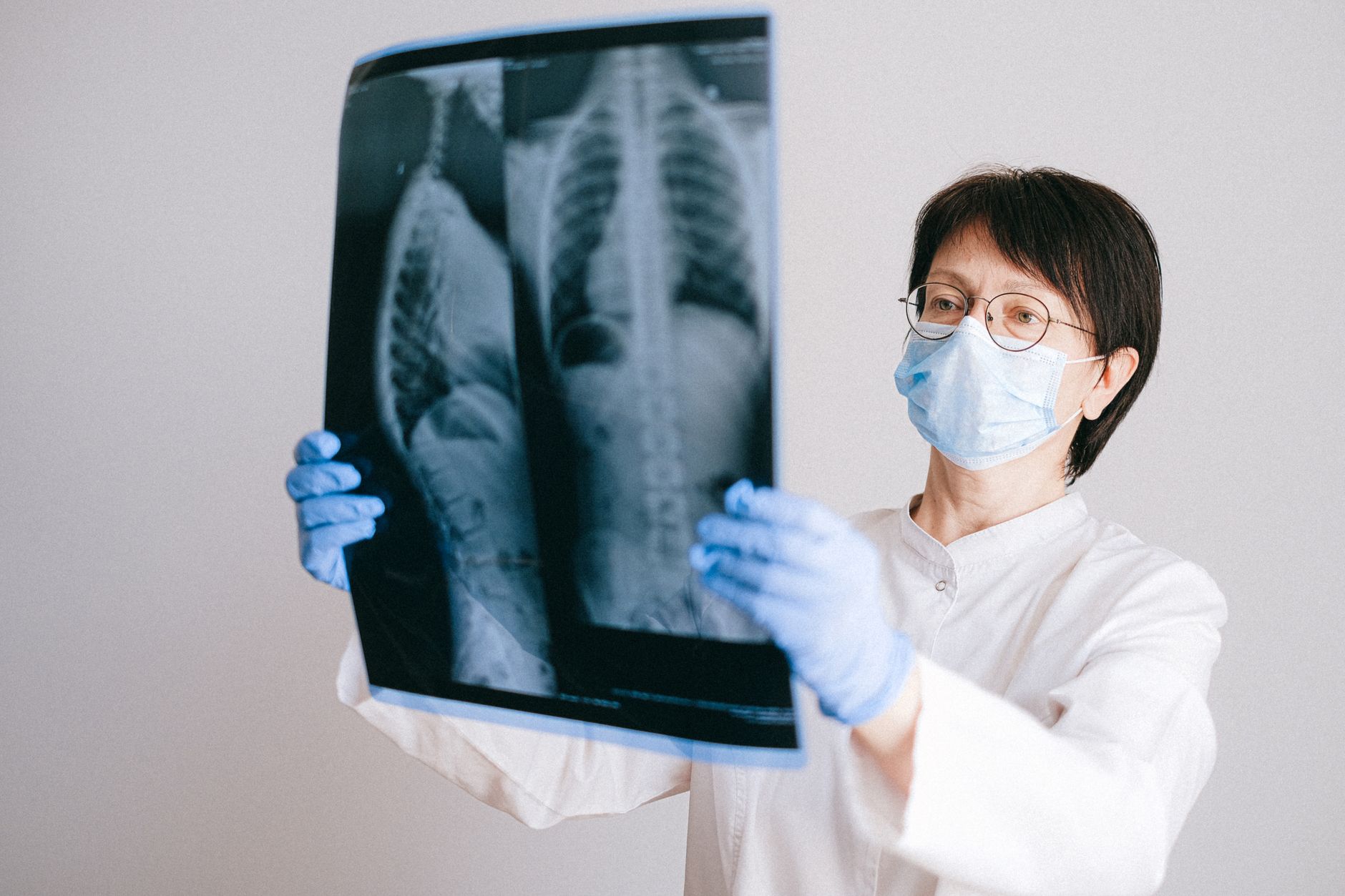
Social and Psychological Factors of Smoking Paper
Peer Influence and Social Context
Peer pressure plays a significant role in substance use behaviors, including smoking. Individuals, particularly adolescents, may engage in smoking paper to fit in with a social group or to appear rebellious. The psychological drive to conform can lead to risky behaviors and health issues.
In social settings, smoking can foster a sense of community or bonding among participants. This is particularly evident in gatherings where smoking is normalized, such as parties or music festivals. The social context can amplify the likelihood of trying smoking paper, often without considering the health consequences.
- Increased experimentation in social groups
- Normalization of harmful behaviors
- Impact on mental health and self-image
Psychological Dependence and Ritualization
Smoking paper can become ritualistic, where the act of smoking is intertwined with specific activities or emotions. This ritualization can lead to psychological dependence, where individuals feel a need to smoke in certain contexts to cope with stress or anxiety. The brain begins to associate the act of smoking with relief from discomfort, reinforcing the behavior.
The psychological aspects of smoking paper can also include feelings of relaxation and euphoria, albeit temporary. This can create a cycle where individuals continue to smoke to replicate those sensations, potentially leading to more harmful substance use behaviors.
- Development of coping mechanisms
- Association of smoking with relaxation
- Potential for progression to more harmful substances
Legal and Regulatory Aspects of Smoking Paper
Legislation Surrounding Smoking Materials
The legal status of smoking paper varies by location and is influenced by broader tobacco regulations. In many places, legislation has been enacted to control the sale and distribution of tobacco products, which may extend to rolling papers used for smoking. Understanding these regulations is crucial for consumers, as they affect availability and potential penalties associated with possession or use.
Some jurisdictions have implemented strict regulations on the sale of flavored papers, aimed at reducing appeal among youth. This regulatory landscape continues to evolve, reflecting public health priorities and the need to mitigate substance use among vulnerable populations.
- Age restrictions on purchase
- Prohibition of flavored rolling papers
- Local regulations on smoking in public spaces
Impact of Regulations on Public Health
Regulatory measures have shown potential in reducing smoking rates and improving public health outcomes. Evidence suggests that comprehensive tobacco control policies, including taxation, advertising restrictions, and public smoking bans, can significantly decrease smoking prevalence. The impact of these regulations extends beyond just tobacco, influencing behaviors related to smoking paper as well.
Public health campaigns aimed at educating individuals about the dangers of smoking paper and other substances can further enhance the effectiveness of regulations. These campaigns often incorporate evidence-based strategies to change perceptions and behaviors surrounding smoking.
- Effectiveness of public health campaigns
- Long-term benefits of comprehensive tobacco control
- Community involvement in regulation enforcement
Alternatives and Harm Reduction Strategies
Harm Reduction Approaches to Smoking
Harm reduction strategies focus on minimizing the negative health impacts associated with smoking behaviors, including the use of paper. These approaches aim to provide safer alternatives and encourage individuals to reduce their smoking frequency. For example, switching to nicotine delivery systems, such as vaporizers or nicotine patches, can reduce exposure to harmful chemicals found in paper products.
Moreover, education about the risks of smoking paper can empower individuals to make informed choices about their health. Support groups and counseling services can also play a vital role in providing resources for those looking to quit or reduce their smoking habits.
- Use of nicotine replacement therapies
- Support systems for quitting smoking
- Educational resources on the risks of smoking paper
Mindfulness and Behavioral Interventions
Incorporating mindfulness practices can help individuals manage cravings and reduce the urge to smoke paper. Techniques such as meditation and deep breathing exercises can cultivate a greater awareness of smoking triggers and emotional states. This awareness can lead to healthier coping mechanisms that do not involve smoking.
Behavioral interventions, such as cognitive-behavioral therapy (CBT), can effectively address the underlying motivations for smoking. By challenging and changing harmful thought patterns, individuals can develop healthier lifestyles and reduce their dependence on smoking behaviors.
- Mindfulness techniques for craving management
- Benefits of cognitive-behavioral therapy
- Strategies for building healthier habits
Understanding the Impact on Respiratory Health
Mechanisms of Respiratory Irritation
When paper is burned and inhaled, it produces a range of irritants that can affect the respiratory system. These irritants can cause inflammation in the airways, leading to symptoms such as coughing and shortness of breath. The combustion process generates particulate matter that can penetrate deep into the lungs, exacerbating existing respiratory conditions like asthma or chronic obstructive pulmonary disease (COPD).
Additionally, the presence of formaldehyde and other volatile organic compounds can further irritate the lung tissues. The inhalation of foreign particles can lead to an immune response, which may result in increased mucus production and airway constriction. Understanding these mechanisms is crucial for assessing the potential health risks associated with smoking paper.
Comparative Analysis with Other Smoking Substances
To evaluate the specific risks of smoking paper, it is beneficial to compare it with other commonly smoked substances. For instance, tobacco contains nicotine, which is highly addictive, while paper does not have this property. However, when paper is smoked, it can release similar harmful byproducts, such as tar and carbon monoxide, albeit in different quantities.
- Tobacco: Contains nicotine, tar, and various carcinogens.
- Marijuana: Produces THC, along with similar harmful combustion products as tobacco.
- Paper: Primarily releases ash and potentially harmful chemicals from additives and inks.
The comparative analysis highlights that while smoking paper may not lead to addiction in the same way as tobacco, it still poses significant health risks due to the toxic substances released during combustion.
Psychological and Behavioral Implications
The Role of Habit Formation
Smoking paper as an alternative to traditional substances may lead to the development of new habits. The act of smoking itself can become a behavioral ritual, providing a psychological comfort similar to that experienced by tobacco smokers. This habitual behavior can create a reliance on the act of smoking, regardless of the substance being smoked.
Additionally, individuals may find themselves engaging in smoking paper due to social pressures or as a coping mechanism for stress. This habitual behavior can be difficult to break, leading to repeated exposure to harmful substances even when the individual is aware of the risks.
Exploring the Psychological Effects
The psychological effects of smoking paper can vary significantly among individuals. While some may experience a temporary sense of relaxation or euphoria, others could face heightened anxiety or discomfort due to the body’s response to the inhaled irritants. Understanding these psychological effects is essential for those considering smoking paper as a substitute for other substances.
- Positive Effects: Temporary relaxation, social bonding.
- Negative Effects: Increased anxiety, guilt, respiratory distress.
- Neutral Effects: No significant psychological impact for some individuals.
Environmental Considerations
Impact of Paper Production
The environmental impact of paper production is significant, contributing to deforestation, water pollution, and habitat loss. These environmental issues can be exacerbated by the demand for paper used in smoking. Understanding the lifecycle of paper production can provide insight into the broader implications of smoking paper.
From the extraction of raw materials to the manufacturing process, each step has an ecological footprint. Sustainable practices in paper production could mitigate some of these effects, but the overall consumption still poses a challenge to environmental health.
Waste and Pollution from Smoking Paper
Smoking paper generates waste, including ash and leftover paper remnants, which can contribute to litter and pollution. The disposal of these materials can have adverse effects on local ecosystems, particularly if they are not disposed of properly.
- Air Pollution: Release of particulate matter and chemicals into the atmosphere.
- Land Pollution: Leftover ash and paper can contaminate soil.
- Water Pollution: Chemicals from paper can leach into waterways if not disposed of correctly.
Frequently Asked Questions
Can smoking paper cause cancer?
While there is limited direct research on smoking paper, inhaling any kind of smoke introduces carcinogenic chemicals into the body, which may increase cancer risk over time.
What should I do if I accidentally smoke paper?
If you accidentally smoke paper and experience adverse effects, such as difficulty breathing or severe coughing, seek medical attention immediately to ensure your safety.
Is it safer to smoke plain paper without additives?
While plain paper may have fewer additives, burning it still produces harmful smoke. No paper is safe to smoke.
How can I quit smoking altogether?
Consider seeking support from health professionals, counseling, or support groups, in addition to exploring nicotine replacement options.
The Bottom Line
Understanding what happens if you smoke paper is crucial for your health. The act of smoking paper can lead to both immediate and long-term health risks, including respiratory issues and exposure to harmful chemicals. It is advisable to avoid smoking paper altogether and to seek healthier alternatives for stress management and coping strategies.
Note: This article is for general information only and is not medical advice. See a qualified health professional about your own situation.