Key Takeaways
- Dietary fiber is a non-digestible carbohydrate essential for digestive health and overall well-being.
- Soluble fiber helps manage cholesterol and blood sugar, while insoluble fiber adds bulk to improve regularity.
- Adults should aim for 25 to 38 grams of daily fiber from whole food sources like plants.
- Increase fiber intake gradually and drink plenty of water to avoid potential gas or digestive discomfort.
What is Dietary Fiber?
If you’ve ever wondered, “What is dietary fiber?” you’re not alone! Many of us have heard that we should eat more fiber, but what does that really mean? Dietary fiber is a type of carbohydrate found in plant foods that your body can’t digest. Unlike other carbs that break down into sugar molecules, fiber cannot be processed for energy. Instead, it passes through your digestive system relatively intact, playing an essential role in maintaining good health.
People often search for dietary fiber information because they want to understand its benefits, how much they need, and which foods contain it. Whether you’re dealing with occasional bloating, searching for ways to improve your gut health, or merely trying to eat healthier, knowing about dietary fiber is crucial for making informed choices. In this article, we’ll delve deeper into what dietary fiber is, why it’s important, and how to incorporate it into your diet in practical ways.
Understanding Dietary Fiber
So, what exactly is dietary fiber? It comes in two main types: soluble and insoluble fiber. Soluble fiber dissolves in water and can help lower glucose levels and cholesterol. Foods rich in soluble fiber include oats, beans, apples, and citrus fruits. On the flip side, insoluble fiber does not dissolve in water and adds bulk to your stool, aiding in digestion. Whole grains, nuts, potatoes, and green leafy vegetables are great sources of insoluble fiber.
Both types of fiber are essential for a balanced diet and can help you feel full, support a healthy weight, and improve digestive health. To sum it up, dietary fiber plays a significant role in our overall health and well-being!
Why Does this Happen?
There are several reasons why understanding dietary fiber is vital. One possible reason people might seek more information is digestive health. Research suggests that fiber helps maintain regular bowel movements, preventing constipation and promoting a healthier gut. In some people, inadequate fiber intake can lead to digestive issues such as bloating or irregularity.
Another common factor is heart health. Eating a fiber-rich diet is associated with lower cholesterol levels, which can support heart health. Moreover, for those managing their weight, fiber-rich foods can help you feel fuller for a longer time, making you less likely to overeat.
Common Causes
A lack of dietary fiber can lead to a variety of issues. For instance, if you find yourself frequently feeling sluggish or experiencing constipation, it might be because you’re not getting enough fiber. Adding fiber-rich foods to your diet can assist in maintaining regularity and preventing bloating.
Additionally, if you’re focused on heart health or managing your weight, insufficient fiber can hinder your efforts. Individuals trying to manage various health conditions, such as diabetes or high cholesterol, will often find that increasing fiber is a beneficial recommendation from healthcare professionals.
Signs and Symptoms to Watch For
Common symptoms of low dietary fiber might include:
- Occasional constipation or irregular bowel movements.
- A feeling of being overfull after meals.
- Frequent snacking due to not feeling satisfied.
- Digestive discomfort, such as gas or bloating.
If you’re experiencing persistent or worsening symptoms, it’s essential to consult with a healthcare professional. While some digestive discomfort can be common, ongoing issues could indicate underlying problems that may need medical attention.
What Can Make it Worse?
Several lifestyle and dietary factors can contribute to low fiber intake:
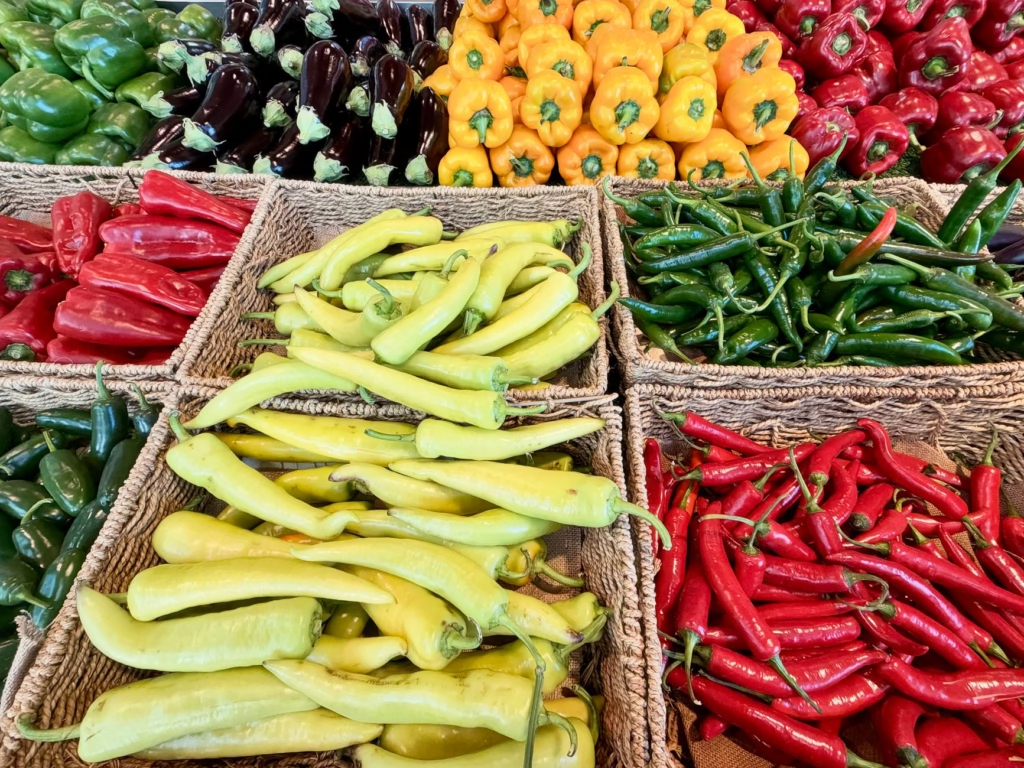
Diet: A diet low in whole grains, fruits, and vegetables is often too low in fiber. Packing your meals with colorful produce and whole grains can make a significant difference.
Eating Habits: Eating quickly or while distracted may hinder your ability to recognize fullness, often leading to overeating. Slow down at mealtime and focus on thoroughly enjoying your food.
Hydration: Drinking enough water is essential for fiber to function well. Without adequate hydration, fiber can have the opposite effect and worsen constipation.
Foods and Drinks Related to the Topic
Several foods are excellent sources of dietary fiber. Here are some great options to consider:
- Fruits: Apples, bananas, berries, and pears are delicious and fiber-rich.
- Vegetables: Broccoli, carrots, Brussels sprouts, and leafy greens can add bulk to your meals.
- Whole grains: Oats, brown rice, quinoa, and whole wheat bread are fantastic options.
- Legumes: Lentils, beans, and chickpeas can boost fiber intake significantly.
Remember, everyone’s digestive system reacts differently, so it’s essential to find what works best for you. Though some foods are labeled as “high in fiber,” your body might respond uniquely to each one.
What Can We Do?
If you’re looking to increase your fiber intake, here are some practical steps to consider:
- Add variety: Include a mix of fruits, vegetables, whole grains, and legumes in your daily meals.
- Snack smart: Choose nuts, seeds, or fresh fruits instead of processed snacks for that fiber boost.
- Gradually increase intake: If you’re not used to a high-fiber diet, increase your fiber intake slowly to reduce digestive discomfort.
- Stay hydrated: Pairing fiber with plenty of water will support your digestive system.
When Should You See a Doctor?
While dietary fiber is generally safe and beneficial for most people, there are times when you should consider talking to a healthcare professional:
- If you experience severe or persistent abdominal pain.
- There’s blood in your stool or from your rectum.
- You notice unexplained weight loss.
- Are having persistent vomiting or difficulties swallowing.
- If you feel consistently fatigued or weak.
It’s always better to err on the side of caution. If you have concerning symptoms or don’t feel like you’re getting enough relief with dietary changes, reach out for specific advice.
Frequently Asked Questions
Why am I always bloated?
Bloating can be caused by various factors, including rapid eating, certain food intolerances, or insufficient fiber intake. If you’re regularly bloated, consider evaluating your diet and eating habits.
Can food cause digestive discomfort?
Yes, some foods, especially those low in fiber or high in processed sugars, can lead to digestive discomfort. Identifying and avoiding trigger foods may help.
When should I worry about digestive symptoms?
If digestive issues persist despite making healthier dietary changes or if you experience severe symptoms, consult a healthcare professional to rule out any underlying issues.
How much dietary fiber do I need daily?
Generally, adult women should aim for about 25 grams of fiber per day, while men should target around 38 grams. However, individual needs may vary.
Are fiber supplements effective?
Fiber supplements can be beneficial, but it’s best to try to get your fiber from whole foods. Supplements might not provide all the nutrients found in natural fiber sources.
Can I get too much fiber?
Yes, consuming excessive fiber can lead to digestive issues such as gas, bloating, or cramps. Gradually increase your fiber intake and be mindful of your body’s signals.
What are some high-fiber snack options?
High-fiber snacks include fruits like apples and pears, vegetables like carrots and celery, whole-grain crackers, or a handful of nuts.
Is fiber important for heart health?
Absolutely! High-fiber diets are associated with lower cholesterol levels, which can help reduce your risk of heart disease.
What the Research Says About Dietary Fiber
Research overwhelmingly supports the benefits of dietary fiber. Studies have shown that high-fiber diets are linked to lower risks of heart disease, stroke, type 2 diabetes, and certain cancers. For instance, a systematic review published in the Journal of Nutrition indicated that increasing fiber intake can lead to significant improvements in various health markers, including cholesterol levels and blood sugar control.
According to the National Institutes of Health (NIH), a diet rich in fiber not only aids in digestion but also supports overall health. It’s important to note, however, that while fiber has many health benefits, research is ongoing, and individual responses may vary.
Simple Daily Habits That May Support Better Health
Incorporating these habits into your daily routine may help support better health and boost your fiber intake:
- Plan meals: Prepare meals ahead of time with plenty of fiber-rich foods.
- Cook at home more: Home-cooked meals allow you to control the ingredients and create fiber-focused dishes.
- Read labels: Become familiar with food labels to choose high-fiber products.
- Experiment with new recipes: Find new ways to enjoy fruits, vegetables, and whole grains.
Final Thoughts
Understanding what dietary fiber is and its crucial role in our diet is vital for maintaining good health. We often hear that we should eat more fiber, but it’s essential to know how to do it effectively. By including various fruits, vegetables, whole grains, and legumes in our meals, we can support our digestive health and overall well-being.
Remember that if you notice persistent troubling symptoms, it’s important to consult a healthcare professional. Increasing your fiber intake should be done gradually and with an emphasis on a well-rounded diet. We can easily make small yet impactful changes to help enhance our health and bodies.

Sources and References
National Institutes of Health: Dietary Fiber. Available at: https://fdc.nal.usda.gov
Mayo Clinic: Fiber: Why Your Body Needs It. Updated July 2021. Available at: https://www.mayoclinic.org/healthy-lifestyle/nutrition-and-healthy-eating/in-depth/fiber/art-20043983
Cleveland Clinic: The Benefits of Fiber. Available at: https://health.clevelandclinic.org/
Centers for Disease Control and Prevention: Get Your Fiber: Tips for Increasing Fiber Intake. Available at: https://www.cdc.gov/nutrition/
Harvard T.H. Chan School of Public Health: Fiber. Available at: https://www.hsph.harvard.edu/nutritionsource/fiber/

Medical Disclaimer
This article is for general educational and informational purposes only. It is not intended to provide medical advice, diagnosis, or treatment. Health conditions can affect people differently, and information that is appropriate for one person may not be appropriate for another. If you have persistent, severe, or concerning symptoms, speak with a qualified healthcare professional for personalized advice.
Further Reading
Ivf Shot Schedule: 10 Things You Should Know
Omeprazole and Alcohol: Is It Safe to Mix?
what does a growth spurt in pregnancy feel like
Frequently Asked Questions
Does cooking vegetables reduce their fiber content?
Cooking generally does not destroy dietary fiber, as it is a structural component of plant cells. While some cooking methods like boiling can cause minor nutrient loss in the water, the fiber remains intact and effective for your digestion.
Can children eat the same amount of fiber as adults?
Fiber needs for children are typically lower than those for adults and depend on their age. It is best to consult with a pediatrician to determine the appropriate fiber intake for your child's specific developmental needs.
Will eating fiber help me lose weight faster?
Fiber itself does not burn fat, but it promotes satiety, which helps you feel full for longer periods. This effect can naturally reduce total calorie intake, making it a helpful tool for sustainable and healthy weight management.
Is it better to get fiber from grains or fruits?
Both are excellent sources, and a healthy diet should include a variety of both. Fruits provide essential vitamins and antioxidants along with fiber, while whole grains offer sustained energy and heart-healthy benefits.
The Bottom Line
Dietary fiber is a fundamental component of a healthy lifestyle that supports your heart, weight, and digestion. By choosing whole, plant-based foods and staying hydrated, you can easily meet your daily needs. Always remember to make these dietary changes gradually to allow your body time to adjust comfortably.