
Key Takeaways
- Sinus bradycardia is a slow heart rate under 60 beats per minute.
- Common causes include athletic training, medications, and underlying health issues.
- Symptoms may include fatigue, dizziness, or fainting.
- Treatment focuses on addressing the underlying cause and may involve lifestyle changes or medical intervention.
What is sinus bradycardia?
When exploring heart health, you may come across the term sinus bradycardia. But what is sinus bradycardia? It is a condition characterized by a slower than normal heart rate, specifically fewer than 60 beats per minute. While many people associate a slow heart rate with a health issue, it’s important to note that sinus bradycardia can occur naturally in well-conditioned athletes or during sleep.
Understanding sinus bradycardia involves recognizing its causes, symptoms, diagnosis, and treatment options. This guide aims to provide a comprehensive overview, ensuring that you have all the information needed to understand this heart condition better.
Sinus bradycardia arises from the heart’s electrical system, where the sinus node, the heart’s natural pacemaker, generates electrical impulses. When these impulses are slower than usual, the heart rate decreases, leading to sinus bradycardia. In many cases, it can be a benign condition, but it can also signify underlying health issues, particularly when accompanied by symptoms.
Understanding Heart Rate
To fully grasp what sinus bradycardia entails, it is essential to understand heart rate and its significance.
Normal Heart Rate
The normal resting heart rate for adults typically ranges from 60 to 100 beats per minute. This rate can vary based on factors such as:
- Age: Heart rates can vary with age; children often have higher resting rates.
- Fitness Level: Athletes may have resting heart rates below 60 bpm due to improved cardiovascular efficiency.
- Emotional State: Stress or relaxation can affect heart rate, increasing or decreasing it.
A normal heart rate is crucial for maintaining adequate blood circulation and oxygen delivery throughout the body.
Bradycardia Defined
Bradycardia is defined as a heart rate slower than 60 beats per minute. It can be classified into:
- Sinus Bradycardia: Originates from the sinus node, the heart’s natural pacemaker.
- Non-sinus Bradycardia: Can occur due to various heart block conditions or other factors affecting heart conduction.
While bradycardia can be normal for some individuals, it can also lead to insufficient blood flow, resulting in symptoms and potential complications.
Causes of Sinus Bradycardia
Several factors can lead to sinus bradycardia, ranging from benign to more serious underlying conditions. Recognizing these causes can help in understanding the condition better.
Physiological Causes
In many cases, sinus bradycardia is caused by physiological factors:
- Physical Fitness: Athletes often experience sinus bradycardia due to their bodies adapting to regular exercise, which increases heart efficiency.
- Sleep: Heart rates naturally decrease during sleep, leading to temporary sinus bradycardia.
- Age: Older adults may experience changes in heart rhythm, including bradycardia.
Medications
Various medications can also cause sinus bradycardia, including:
- Beta-blockers: Commonly prescribed for high blood pressure and heart conditions, these can slow the heart rate.
- Calcium Channel Blockers: Used for heart-related issues, they may also lead to bradycardia.
- Digoxin: A medication used to treat certain heart conditions, digoxin can affect heart rate.
Pathological Causes
In some cases, sinus bradycardia may indicate more serious health problems:
- Hypothyroidism: An underactive thyroid can slow the heart rate.
- Heart Block: Conditions affecting the electrical signals in the heart can lead to bradycardia.
- Myocardial Infarction: Damage to the heart muscle from a heart attack can disrupt normal rhythmic functions.
Symptoms of Sinus Bradycardia
Many people with sinus bradycardia may not experience any symptoms, especially if their condition is benign. However, some may notice specific signs when the heart rate drops significantly.
Common Symptoms
Symptoms of sinus bradycardia can vary widely among individuals. Here are some common ones:
- Fatigue: A slower heart rate can lead to inadequate blood flow, causing tiredness.
- Dizziness: Reduced blood supply to the brain can result in feelings of lightheadedness.
- Fainting: In severe cases, a person may faint due to insufficient blood flow.
Less Common Symptoms
Some individuals may experience less common symptoms, including:
- Chest Pain: Occasional chest discomfort may occur in some cases.
- Shortness of Breath: Difficulty breathing can arise if the heart rate is too slow.
- Confusion: Lack of oxygen to the brain can lead to confusion or impaired cognitive function.
When to Seek Medical Attention
If you or someone you know experiences any of the following, it is crucial to seek medical attention:
- Fainting or near-fainting episodes
- Persistent dizziness or lightheadedness
- Severe fatigue that interferes with daily activities
Diagnosing Sinus Bradycardia
Diagnosing sinus bradycardia involves a thorough evaluation by a healthcare professional. They will use various methods to assess heart function and determine the underlying cause.
Medical History and Physical Examination
Your doctor will start by taking a detailed medical history, including any symptoms you have experienced. A physical examination may include:
- Listening to your heart for abnormal rhythms
- Checking blood pressure and other vital signs
- Assessing for signs of underlying conditions
Electrocardiogram (ECG)
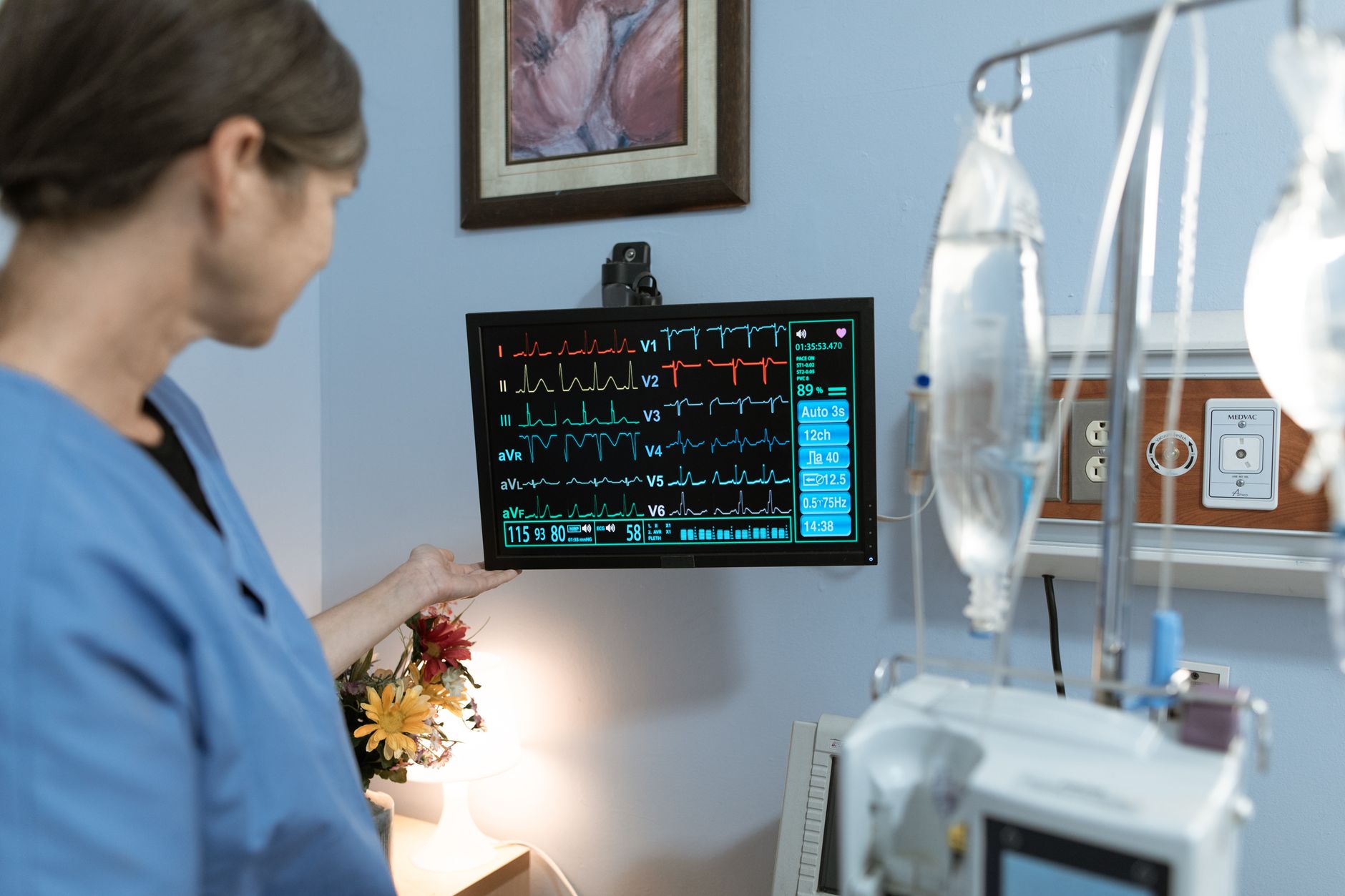
An ECG is a critical tool in diagnosing sinus bradycardia. This test measures the electrical activity of the heart and can help identify:
- The heart’s rhythm
- Any conduction abnormalities
- Underlying heart conditions
Additional Tests
In some cases, your doctor may recommend additional tests to further evaluate your condition:
- Holter Monitor: A portable ECG device worn for 24-48 hours to capture heart rhythms during daily activities.
- Blood Tests: To assess thyroid function and other health markers.
- Stress Test: To evaluate how the heart responds to exertion.

Treatment Options for Sinus Bradycardia
The treatment for sinus bradycardia largely depends on the underlying cause and the presence of symptoms. If the condition is benign and asymptomatic, treatment may not be necessary. However, when symptoms are present or there are underlying health issues, intervention may be required.
Lifestyle Changes
In cases where sinus bradycardia is linked to lifestyle factors, making certain changes can be beneficial:
- Regular Exercise: Engaging in physical activity can improve overall heart health.
- Balanced Diet: Eating a heart-healthy diet rich in fruits, vegetables, whole grains, and lean proteins can support cardiovascular health.
- Avoiding Stimulants: Reducing caffeine and alcohol intake may help maintain a normal heart rate.
Medications
If medications are causing bradycardia, your doctor may adjust your prescriptions. In cases where bradycardia is symptomatic, medications may be prescribed to help manage symptoms or underlying conditions.
Surgical Interventions
For individuals with significant symptoms or those whose heart rate is critically low, more invasive treatments may be necessary:
- Pacing Therapy: A pacemaker may be implanted to regulate heart rhythm and maintain an adequate heart rate.
- Addressing Underlying Conditions: Treating conditions such as hypothyroidism or heart block can help resolve bradycardia.
Long-Term Implications of Sinus Bradycardia
Potential Complications
While sinus bradycardia can often be benign, especially in athletes, there are potential complications that may arise in certain populations. Individuals with significant bradycardia may experience syncope, which is a temporary loss of consciousness, due to insufficient blood flow to the brain. Additionally, prolonged periods of low heart rate can lead to heart failure in susceptible individuals, particularly those with pre-existing heart conditions.
Other complications can include:
- Increased risk of falls due to dizziness or fainting.
- Worsening of pre-existing cardiovascular diseases.
- Possible progression to more severe arrhythmias, such as atrioventricular block.
Impact on Quality of Life
The presence of sinus bradycardia can also significantly affect an individual’s quality of life. Patients may experience lifestyle limitations if they have persistent symptoms such as fatigue or dizziness. Many individuals report feeling a lack of energy or an inability to engage in activities they once enjoyed, which can lead to psychological effects such as anxiety or depression.
Addressing these lifestyle impacts involves a multidisciplinary approach, including:
- Regular monitoring and follow-up with healthcare providers.
- Engagement in cardiac rehabilitation programs, if applicable.
- Support groups for those experiencing similar health challenges.
Long-Term Monitoring Strategies
For individuals diagnosed with sinus bradycardia, long-term monitoring is crucial to assess the condition’s progression and to ensure timely interventions. Various strategies can be employed for long-term management:
- Routine electrocardiograms (ECGs) to monitor heart rhythm changes.
- Wearable heart rate monitors that can alert patients and physicians to significant changes.
- Regular assessments for symptoms to determine if further evaluation is necessary.
Collaboration with a healthcare provider can help tailor these strategies to individual needs, ensuring a proactive approach to managing sinus bradycardia.

Sinus Bradycardia in Different Populations
Sinus Bradycardia in Athletes
Sinus bradycardia is frequently observed in athletes, particularly those engaged in endurance sports such as running, cycling, or swimming. This condition is often a physiological response to increased cardiovascular efficiency, where a lower resting heart rate is indicative of a well-conditioned heart. However, while bradycardia may be normal for an athlete, it is essential to differentiate between athletic bradycardia and pathological forms that may require intervention.
Key considerations for athletes include:
- Regular cardiovascular assessments to ensure that bradycardia is benign.
- Acknowledging any symptoms that may arise and seeking medical advice if they do.
- Understanding that further investigation may be warranted if heart rate drops significantly during rest or exercise.
Sinus Bradycardia in the Elderly
In the elderly population, sinus bradycardia can be more concerning. Aging is associated with changes in the heart’s electrical conduction system, making the elderly more susceptible to pathological bradycardia. This demographic may experience more pronounced symptoms, such as fatigue, dizziness, and falls, which can significantly impact their health and mobility.
Management strategies for the elderly may include:
- Comprehensive cardiovascular evaluations to assess underlying causes.
- Medication reviews to identify any drugs that may exacerbate bradycardia.
- Encouraging lifestyle modifications, such as increased physical activity, where appropriate.
Sinus Bradycardia in Pediatric Patients
Sinus bradycardia can also manifest in pediatric patients, although it is less common. In children, bradycardia might occur due to congenital heart defects, increased vagal tone, or as a side effect of medications. It is crucial for pediatric patients with bradycardia to receive thorough evaluations to ensure there are no underlying health issues that need addressing.
Management in children may involve:
- Close monitoring by pediatric cardiologists.
- Family education on recognizing symptoms and when to seek medical attention.
- Potential referral to specialists if there are concerns regarding the heart’s structure or function.
Lifestyle Modifications and Self-Care for Sinus Bradycardia
Dietary Considerations
Nutrition plays a vital role in heart health, and individuals with sinus bradycardia may benefit from dietary modifications. Consuming a heart-healthy diet rich in fruits, vegetables, whole grains, lean proteins, and healthy fats can support overall cardiovascular function. Additionally, certain nutrients, such as potassium and magnesium, are essential for maintaining normal heart rhythm.
Recommended dietary practices include:
- Limiting sodium intake to manage blood pressure.
- Incorporating omega-3 fatty acids found in fish to promote heart health.
- Avoiding excessive caffeine and alcohol, which can exacerbate heart rhythm issues.
Exercise Recommendations
Physical activity is crucial for maintaining cardiovascular health, even for those with sinus bradycardia. Exercise can help improve heart efficiency and promote overall well-being. However, it is important for individuals to consult with their healthcare provider before starting any new exercise regimen, especially if they experience bradycardia symptoms.
General exercise recommendations include:
- Engaging in moderate-intensity aerobic activities, such as walking or cycling, for at least 150 minutes per week.
- Incorporating strength training exercises at least twice a week.
- Being attentive to the body’s response during exercise and stopping if symptoms arise.
Stress Management Techniques
Stress can have a profound impact on heart health, including heart rate variability. Individuals with sinus bradycardia may benefit from stress management techniques to promote relaxation and overall cardiovascular health. Techniques such as yoga, meditation, and deep-breathing exercises can help mitigate stress and potentially improve heart function.
Effective stress management strategies include:
- Establishing a regular mindfulness or meditation practice.
- Participating in yoga or tai chi classes to enhance relaxation.
- Setting aside time for hobbies or activities that bring joy and reduce anxiety.
Frequently Asked Questions
Can sinus bradycardia be serious?
Sinus bradycardia can be serious if it leads to symptoms like fainting or if it results from an underlying health condition. Seeking medical advice is essential if you experience significant symptoms.
Is sinus bradycardia common in athletes?
Yes, sinus bradycardia is common among athletes due to their improved cardiovascular fitness. Their hearts are more efficient, often resulting in lower resting heart rates.
How is sinus bradycardia treated?
Treatment often depends on the underlying cause. It can include lifestyle changes, medication adjustments, or surgical interventions like pacemaker placement.
What lifestyle changes can help with sinus bradycardia?
Lifestyle changes that may help include regular exercise, a balanced diet, and avoiding stimulants like caffeine or excessive alcohol.
The Bottom Line
What is sinus bradycardia? It is a condition characterized by a slower than normal heart rate, which can be benign or a sign of underlying health issues. Understanding the causes, symptoms, and treatment options is essential for managing your heart health. If you suspect you have sinus bradycardia or are experiencing symptoms, consult a healthcare professional for a thorough evaluation and personalized advice.
Note: This article is for general information only and is not medical advice. See a qualified health professional about your own situation.