
Key Takeaways
- Tai chi walking combines gentle movements with mindful walking.
- It enhances balance, coordination, and flexibility in seniors.
- Regular practice can reduce stress and improve mental health.
- Tai chi walking is adaptable for individuals of all fitness levels.
What is tai chi walking for seniors?
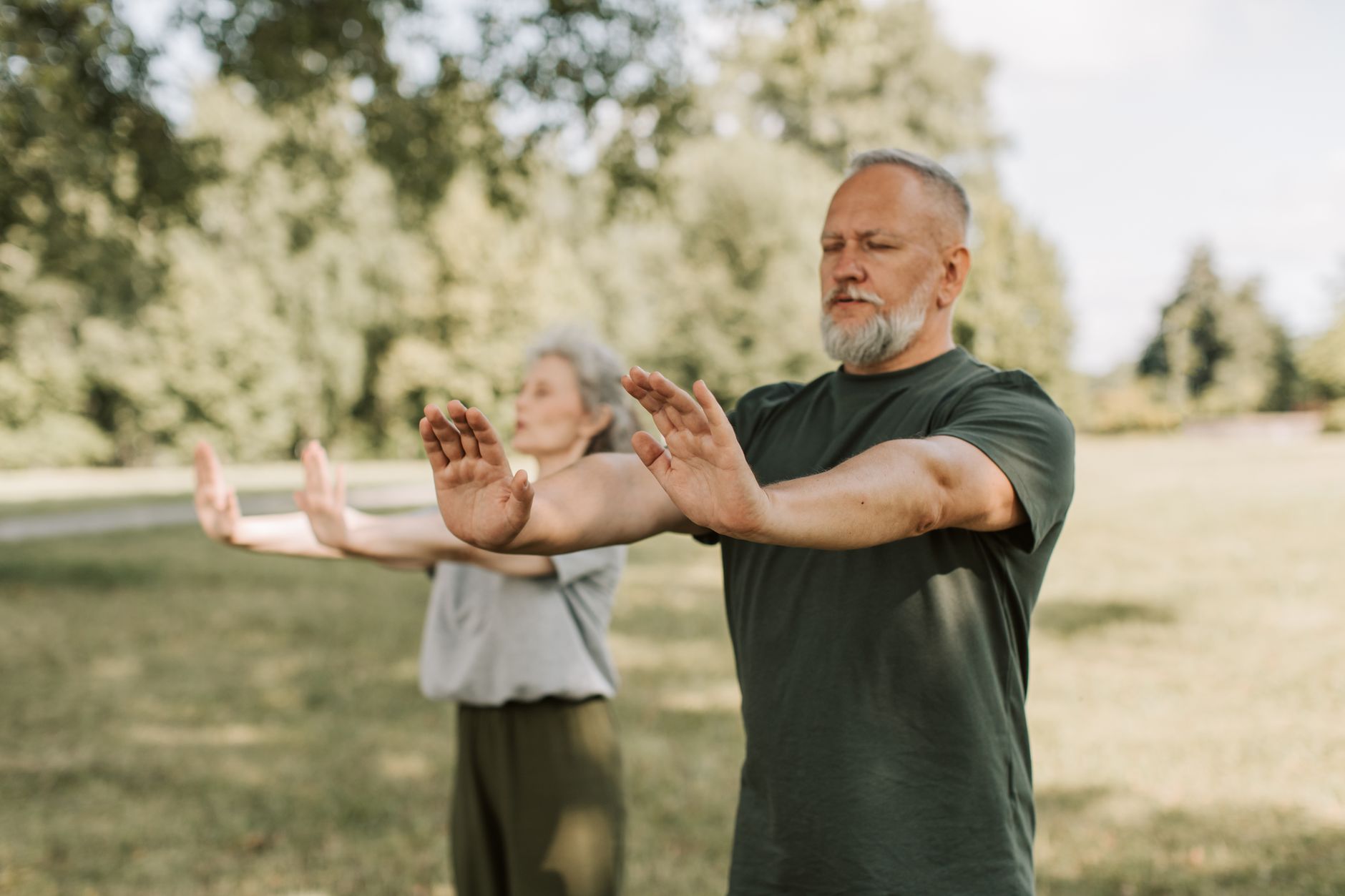
What is tai chi walking for seniors? Tai chi walking is a gentle form of exercise that combines elements of tai chi with walking to promote physical and mental well-being in older adults. This practice integrates slow, controlled movements with mindful walking techniques, encouraging seniors to engage both their bodies and minds. As a low-impact exercise, tai chi walking is particularly beneficial for seniors, helping to improve balance, coordination, and flexibility.
Tai chi itself is a centuries-old Chinese martial art known for its graceful movements and meditative qualities. When applied to walking, it transforms a simple activity into a holistic practice that can enhance various aspects of health. This article will explore the fundamentals of tai chi walking, its benefits for seniors, and practical tips for getting started.
Understanding what tai chi walking for seniors involves is crucial for those looking to incorporate it into their daily routines. The practice is designed to be accessible, adaptable, and enjoyable, making it suitable for individuals at different fitness levels. Whether you are new to exercise or looking for a way to maintain your health, tai chi walking can be a valuable addition to your lifestyle.
The Benefits of Tai Chi Walking
Tai chi walking offers a variety of benefits that can significantly enhance the quality of life for seniors. Below are some of the key advantages:
- Improved Balance: One of the primary benefits of tai chi walking is its ability to enhance balance. The slow, deliberate movements help seniors develop better coordination and stability, reducing the risk of falls.
- Increased Flexibility: The gentle stretching involved in tai chi walking helps maintain and improve flexibility, which is crucial for overall mobility as we age.
- Stress Reduction: Engaging in tai chi walking allows seniors to practice mindfulness, which can lead to reduced stress levels and improved mental well-being.
- Enhanced Mental Clarity: The focus required in tai chi walking encourages mental sharpness and clarity, contributing to better cognitive health.
- Social Interaction: Many seniors practice tai chi in groups, providing an opportunity for social interaction, friendship, and community support.
How to Practice Tai Chi Walking
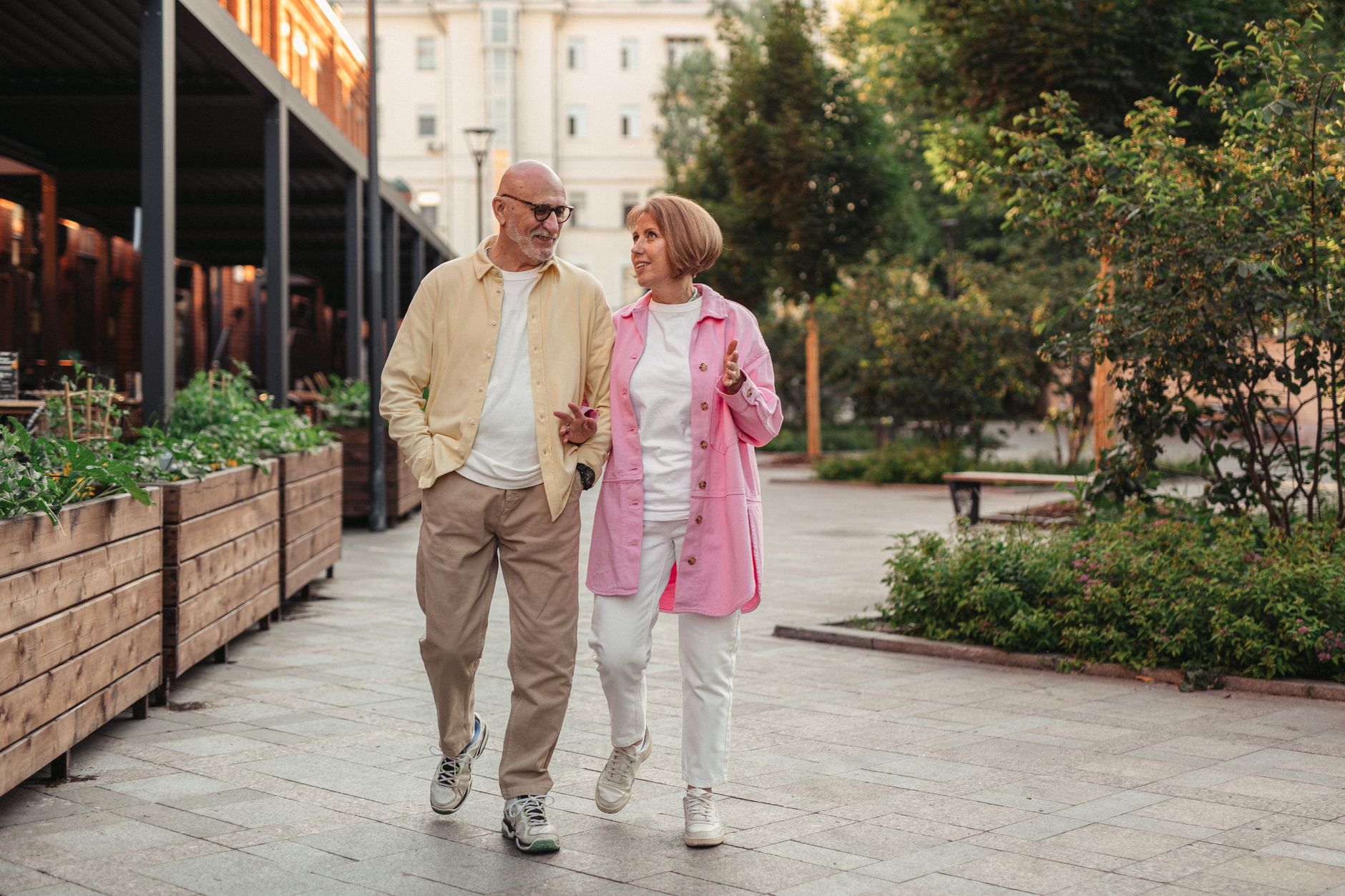
Starting a tai chi walking practice is straightforward and can be done almost anywhere. Here are some tips on how to get started:
- Find a Comfortable Space: Choose a flat, open area where you can walk freely. This could be a park, garden, or even indoors if space allows.
- Wear Comfortable Clothing: Opt for loose-fitting clothing and supportive footwear to ensure comfort while practicing.
- Start Slowly: Begin with short walks, focusing on your movements and breathing. Gradually increase the duration as you become more comfortable.
Basic Steps of Tai Chi Walking
Here are some fundamental steps to incorporate into your tai chi walking practice:
- Stand Tall: Begin by standing with your feet shoulder-width apart, knees slightly bent, and arms relaxed at your sides.
- Focus on Your Breath: Inhale deeply through your nose, allowing your abdomen to expand. Exhale slowly through your mouth.
- Mindful Walking: Take a step forward with your right foot, placing it gently on the ground heel first, followed by your toe. Shift your weight onto your right foot.
- Repeat: Continue stepping forward, alternating feet, while maintaining a slow and steady rhythm. Focus on your breath and the sensations in your body.
Safety Considerations
While tai chi walking is generally safe for seniors, there are some important precautions to consider:
- Consult with a Healthcare Provider: Before starting any new exercise program, seniors should consult with their doctor, especially if they have underlying health conditions.
- Listen to Your Body: It is essential to pay attention to how your body feels during practice. Stop if you experience pain or discomfort.
- Use Support if Necessary: If balance is a concern, consider using a walking stick or practicing near a railing or wall for support.
Integrating Tai Chi Walking into Daily Life
To reap the maximum benefits of tai chi walking, it’s helpful to integrate it into daily routines. Here are some strategies:
- Set a Schedule: Aim to practice tai chi walking several times a week. Setting specific days and times can help establish a routine.
- Join a Class: Look for local tai chi walking or tai chi classes designed for seniors. Group settings can provide motivation and social interaction.
- Combine with Other Activities: Incorporate tai chi walking with other forms of exercise, such as strength training or aerobic activities, for a well-rounded fitness routine.
Common Misconceptions about Tai Chi Walking
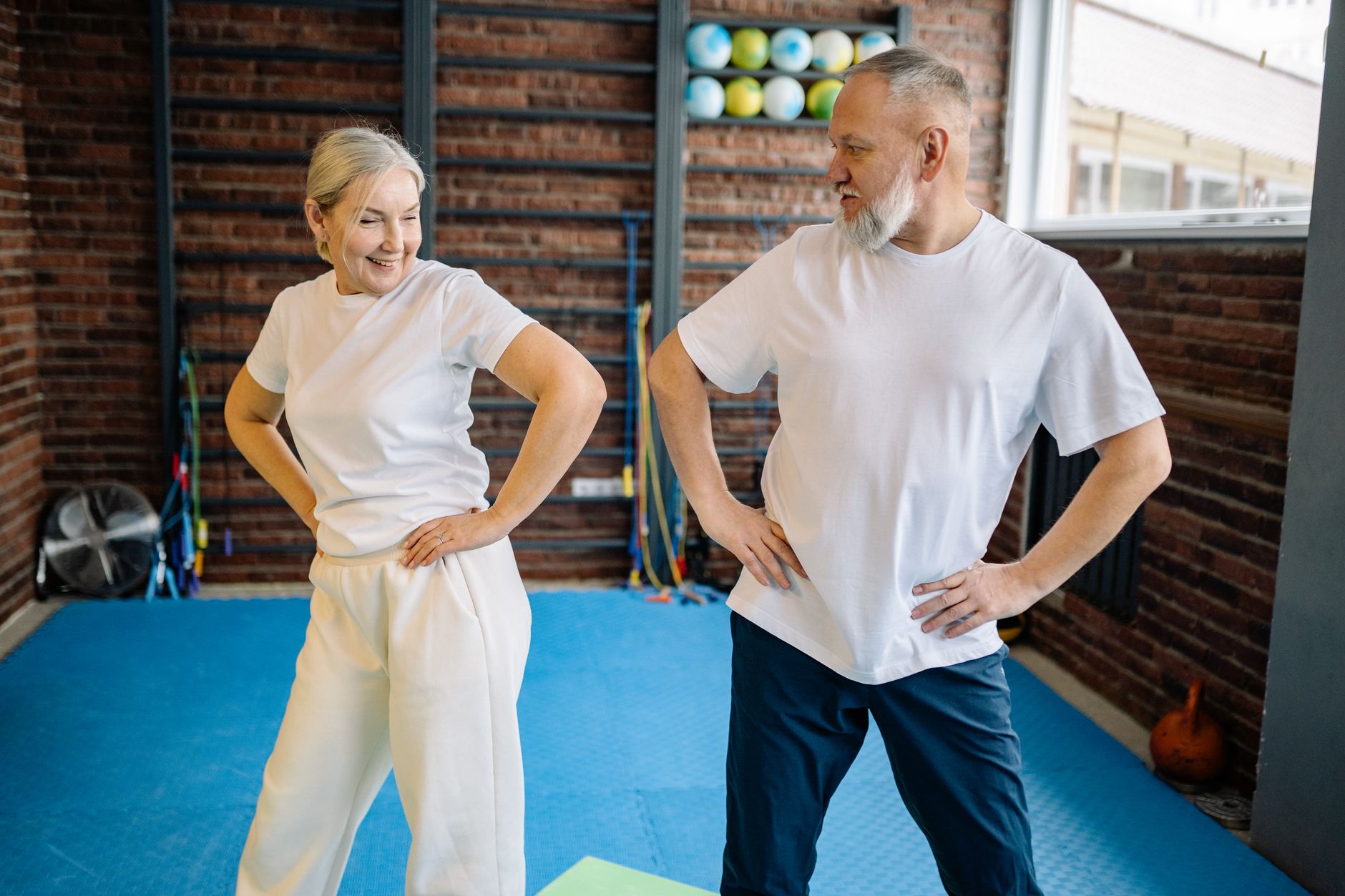
Despite its growing popularity, several misconceptions about tai chi walking may deter seniors from trying it. Here are some clarifications:
- It’s Only for the Fit: Tai chi walking is accessible for people of all fitness levels. The pace can be adjusted according to individual capabilities.
- It Requires Special Skills: No prior experience in tai chi is necessary to begin. Basic movements can be learned quickly and easily.
- It’s Just for Older Adults: While it is highly beneficial for seniors, people of all ages can enjoy tai chi walking and its many health benefits.
Understanding the Principles of Tai Chi Walking
The Philosophy Behind Tai Chi
Tai chi is rooted in ancient Chinese philosophy, emphasizing harmony between mind and body. This practice is not merely a form of exercise; it is a holistic approach to health that teaches practitioners to cultivate internal energy or ‘qi.’ This energy is believed to flow through the body, promoting balance and well-being. In tai chi walking, seniors learn to move with intention, allowing each step to reflect the principles of tai chi. This mindful approach can enhance their physical capabilities as well as mental clarity.
The principles of tai chi, such as balance, relaxation, and fluidity, are essential for seniors. By focusing on these elements, practitioners can improve their walking patterns, which is crucial for preventing falls. Tai chi walking encourages seniors to engage both their bodies and minds, fostering a sense of awareness that can extend beyond their practice into everyday life.
Core Elements of Tai Chi Walking
Several core elements define tai chi walking, making it distinct from traditional walking. Understanding these elements can help seniors appreciate the depth of practice and its benefits:
- Weight Shifting: Tai chi walking emphasizes a gradual shift of weight from one foot to another. This principle enhances balance and stability, crucial for seniors.
- Breathing Techniques: Coordinating breath with movement is vital in tai chi. Seniors learn to breathe deeply and rhythmically, promoting relaxation and reducing stress.
- Posture Alignment: Maintaining proper posture is essential. Seniors are taught to stand tall with their heads aligned over their pelvis, which helps in reducing the risk of falls.
Connecting Mindfulness and Movement
Mindfulness is a significant component of tai chi walking. Seniors are encouraged to focus on their movements, cultivating a sense of presence and awareness. This connection between mind and body is beneficial not only for physical health but also for mental well-being. Research suggests that mindfulness practices can decrease anxiety and improve overall mood.
Engaging in tai chi walking allows seniors to develop a deeper understanding of their bodies and movements. This awareness can translate into better coordination and agility, reducing the likelihood of injury. Additionally, practicing mindfulness can enhance emotional health, encouraging a more positive outlook on life.
Social and Community Aspects of Tai Chi Walking
Building Community Through Tai Chi
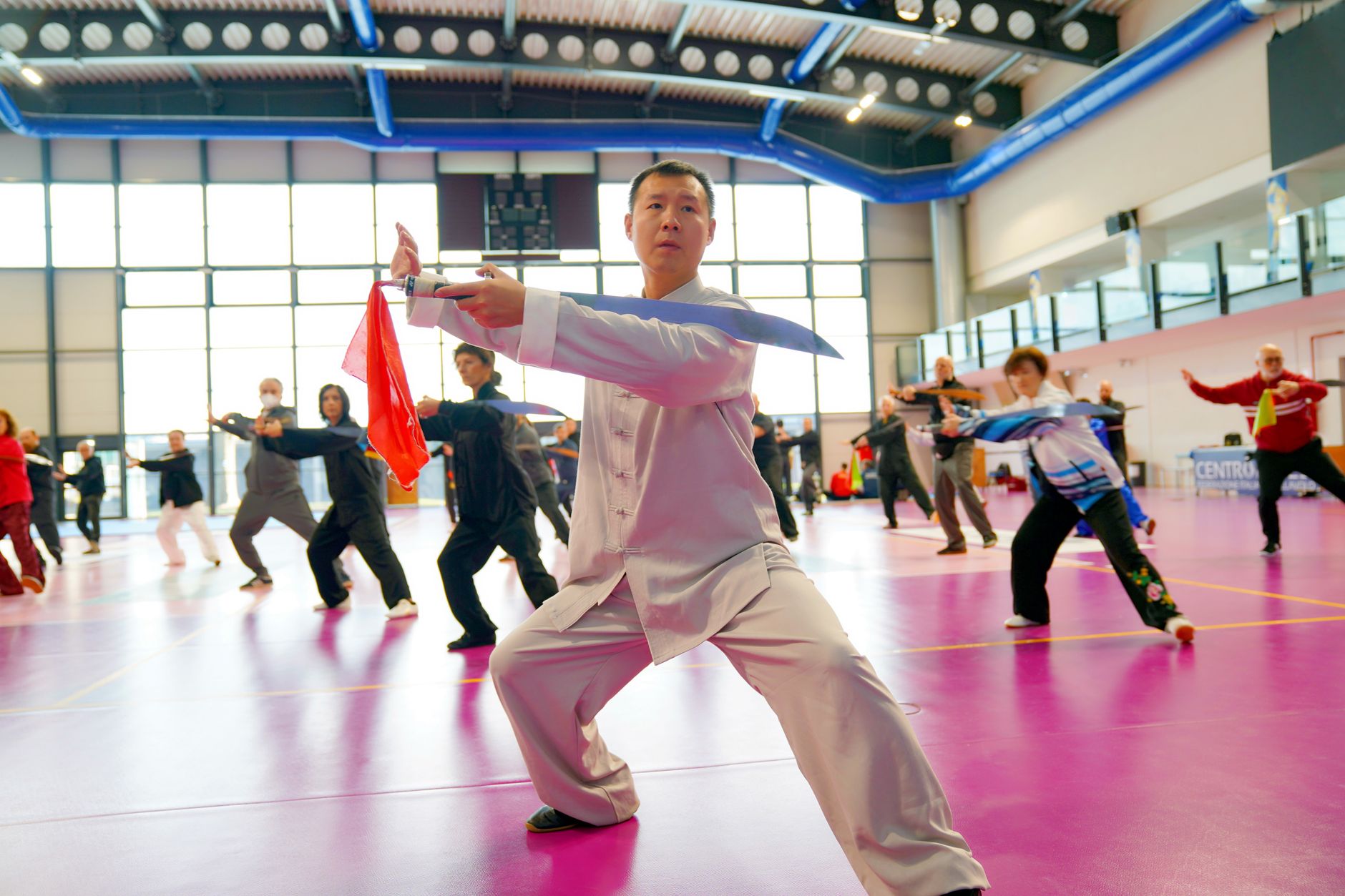
Participating in tai chi walking groups can foster a sense of community among seniors. Social interaction is vital for mental health, especially for older adults who may experience isolation. Joining a tai chi class or group creates opportunities for social engagement, allowing seniors to connect with others who share similar interests.
Community-based tai chi programs often provide a supportive environment where seniors can learn and practice together. These groups can enhance motivation, as participants encourage one another and celebrate their progress. Moreover, the shared experience of learning tai chi walking can forge new friendships, contributing to improved mental and emotional well-being.
Organized Community Events and Workshops
Many communities offer organized tai chi walking events, workshops, and classes specifically designed for seniors. These events can vary in format, from short, informal gatherings in local parks to structured workshops led by experienced instructors. Participating in these events can offer seniors a chance to deepen their practice while enjoying the camaraderie of others.
- Outdoor Classes: Many seniors enjoy tai chi walking classes held in parks or gardens, allowing them to practice in a tranquil, natural environment.
- Seasonal Events: Some communities host seasonal tai chi events that incorporate elements of nature, such as practicing in the autumn leaves or spring blooms, enhancing the experience.
- Workshops with Guest Instructors: Inviting experienced tai chi instructors for special workshops can provide seniors with new insights and techniques to incorporate into their practice.
The Role of Technology in Tai Chi Walking
With the rise of technology, seniors can now access tai chi walking resources online. Various platforms offer instructional videos, online classes, and virtual communities where seniors can connect with others practicing tai chi. This accessibility is particularly beneficial for those who may have difficulty attending in-person classes due to mobility issues or lack of transportation.
Apps dedicated to tai chi can also provide guided routines that seniors can follow at home. These resources often include features such as progress tracking and reminders, which can help seniors maintain consistency in their practice. Engaging with technology in this way can empower seniors, encouraging them to take charge of their health and wellness.
Adapting Tai Chi Walking for Individual Needs
Personalizing the Practice
Every senior has unique needs and abilities, making it essential to personalize tai chi walking practices. Instructors often encourage participants to listen to their bodies and adjust movements accordingly. This adaptability is one of the strengths of tai chi walking, as it allows seniors to engage with the practice at their own pace.
For seniors with specific health concerns, such as arthritis or balance issues, modifications can be made to ensure a safe and beneficial practice. Instructors can provide guidance on how to adjust postures and movements, allowing seniors to experience the benefits of tai chi walking without discomfort.
- Seated Tai Chi: For seniors with mobility challenges, seated tai chi can provide a way to engage in the practice without the risk of falling.
- Gentle Movements: Instructors can suggest gentler movements for seniors with joint pain or limited range of motion, ensuring they can still participate.
- Using Supportive Equipment: Seniors may benefit from using supportive devices, such as walking sticks or chairs, during their practice to enhance stability.
Consulting Healthcare Professionals
Before starting any new exercise program, including tai chi walking, seniors should consult their healthcare providers. This step is crucial for those with pre-existing health conditions or concerns. A healthcare professional can offer personalized advice and may recommend working with a tai chi instructor who specializes in senior fitness.
Collaboration between healthcare providers and tai chi instructors can create a comprehensive approach to wellness, ensuring that seniors engage in safe and effective practices. Regular check-ins with healthcare professionals can help track progress and make necessary adjustments to the practice over time.
Tracking Progress and Setting Goals
Tracking progress in tai chi walking can enhance motivation and provide a sense of achievement. Seniors can set personal goals, whether related to balance, endurance, or mindfulness in practice. Maintaining a journal or using apps to record their experiences can help them reflect on their journey and recognize improvements.
- Goal Setting: Establishing specific, measurable, achievable, relevant, and time-bound (SMART) goals can guide seniors in their tai chi walking practice.
- Reflection: Regularly reflecting on their progress can help seniors appreciate their growth and stay motivated.
- Sharing Achievements: Sharing milestones with class members or family can create a supportive environment, encouraging continued commitment to practice.
Frequently Asked Questions
How long should I practice tai chi walking?
For beginners, starting with 10 to 15 minutes a day is advisable. As you become more comfortable, you can gradually increase the time to 30 minutes or more.
Can tai chi walking help with arthritis pain?
Yes, tai chi walking can be beneficial for individuals with arthritis. The gentle movements help maintain joint flexibility and can reduce stiffness.
Is it necessary to join a class to learn tai chi walking?
While joining a class can be helpful for guidance and motivation, many resources are available online, including videos and tutorials, that can help you learn at your own pace.
What should I do if I feel dizzy while practicing?
If you feel dizzy during tai chi walking, stop immediately and sit down. It’s important to listen to your body. If dizziness continues, consult a healthcare professional.
The Bottom Line
Tai chi walking for seniors is a unique and beneficial practice that combines the mindfulness of tai chi with the simple act of walking. It promotes physical health, enhances mental well-being, and can be easily incorporated into daily routines. With its many advantages, tai chi walking is an excellent choice for seniors looking to maintain their health and vitality.
Note: This article is for general information only and is not medical advice. See a qualified health professional about your own situation.
