Key Takeaways
- Most babies start walking between 9 to 15 months.
- Walking ability varies widely among children.
- Encouragement and safe environments aid walking development.
- Consult a pediatrician if concerns about walking arise.
When do babies start walking?
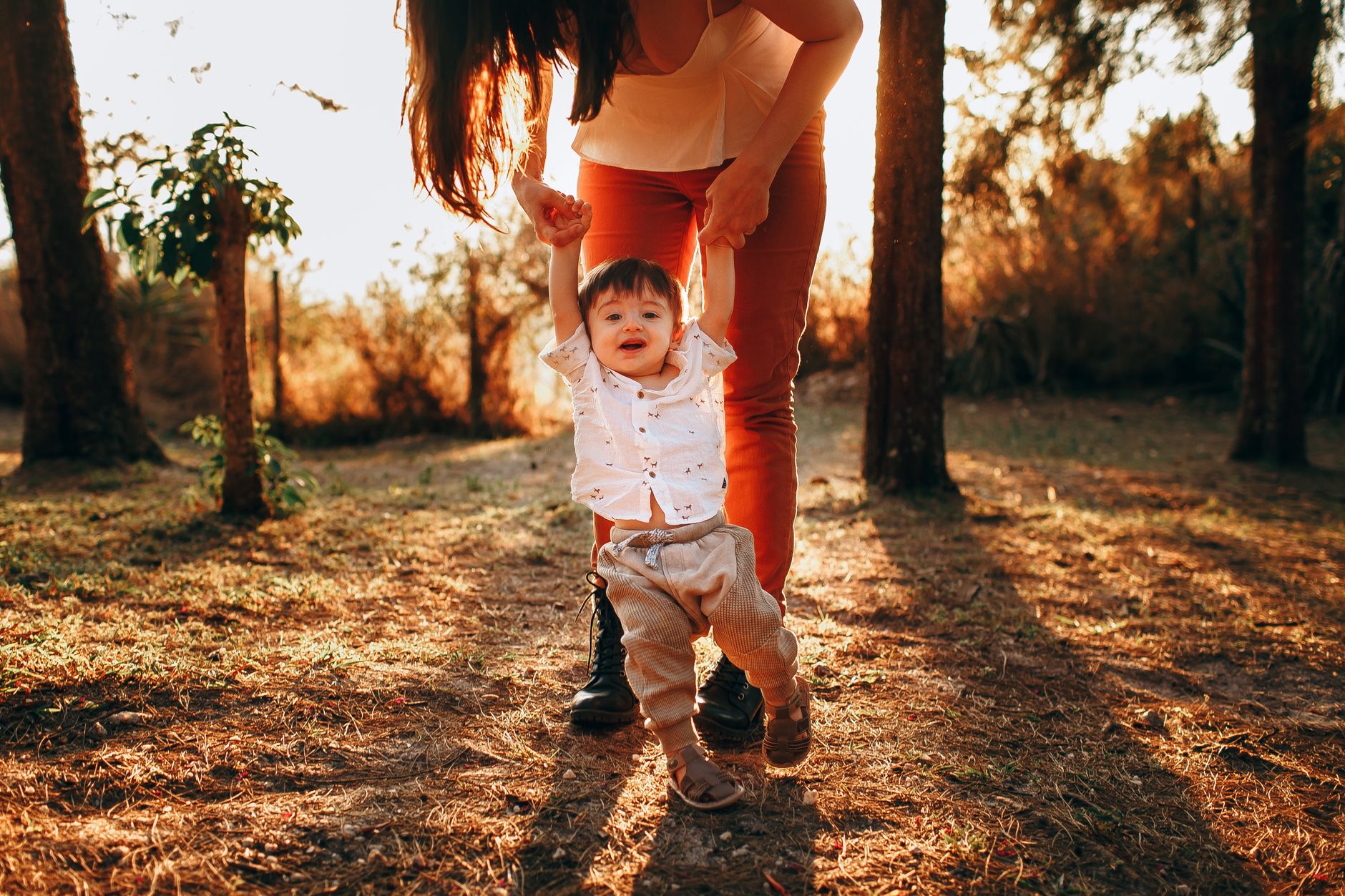
When do babies start walking is a common question among new parents and caregivers. Walking is a significant milestone in a child’s development, marking their transition from infant to toddler. This article explores the typical timeline for walking, factors that influence this development, and ways to support your child’s journey to walking.
Most babies take their first steps between the ages of 9 to 15 months. However, some may walk earlier while others may take a bit longer, and that’s perfectly normal. Understanding the stages of walking and the signs of readiness can help you support your child’s growth at this exciting time.
As you read through this guide, you will find helpful tips and insights into what to expect as your baby approaches this milestone. Remember, every child is unique, and variations in walking development are quite common.
The Stages of Walking Development
Before babies can walk independently, they go through several stages of movement. Understanding these stages can help you appreciate the development process.
1. Crawling
Crawling typically begins around 6 to 10 months. It is an essential stage as it helps strengthen the muscles required for walking. Babies may crawl in various ways, including:
- Traditional crawling: Moving on hands and knees.
- Army crawling: Dragging the body across the floor using arms.
- Bottom shuffling: Scooting while seated.
Crawling not only helps in muscle development but also enhances coordination, allowing babies to explore their environment.
2. Pulling Up
Once babies gain confidence in crawling, they often start pulling themselves up to a standing position using furniture or other sturdy objects. This phase typically occurs between 9 to 12 months. Pulling up helps babies develop balance and strength in their legs.
- Encourage your baby to pull up by placing toys just out of reach on furniture.
- Ensure the area is safe and free from sharp edges or hazardous objects.
- Use sturdy furniture that can support their weight.
3. Cruising
Cruising is when babies walk while holding onto furniture or other supports. This stage is crucial as it allows babies to practice walking while feeling secure. Cruising often begins around 10 to 13 months.
- Provide a safe space for cruising with furniture spaced closely.
- Encourage cruising by positioning toys along the furniture.
- Remain close to your baby for safety as they explore this new movement.
When to Expect Walking
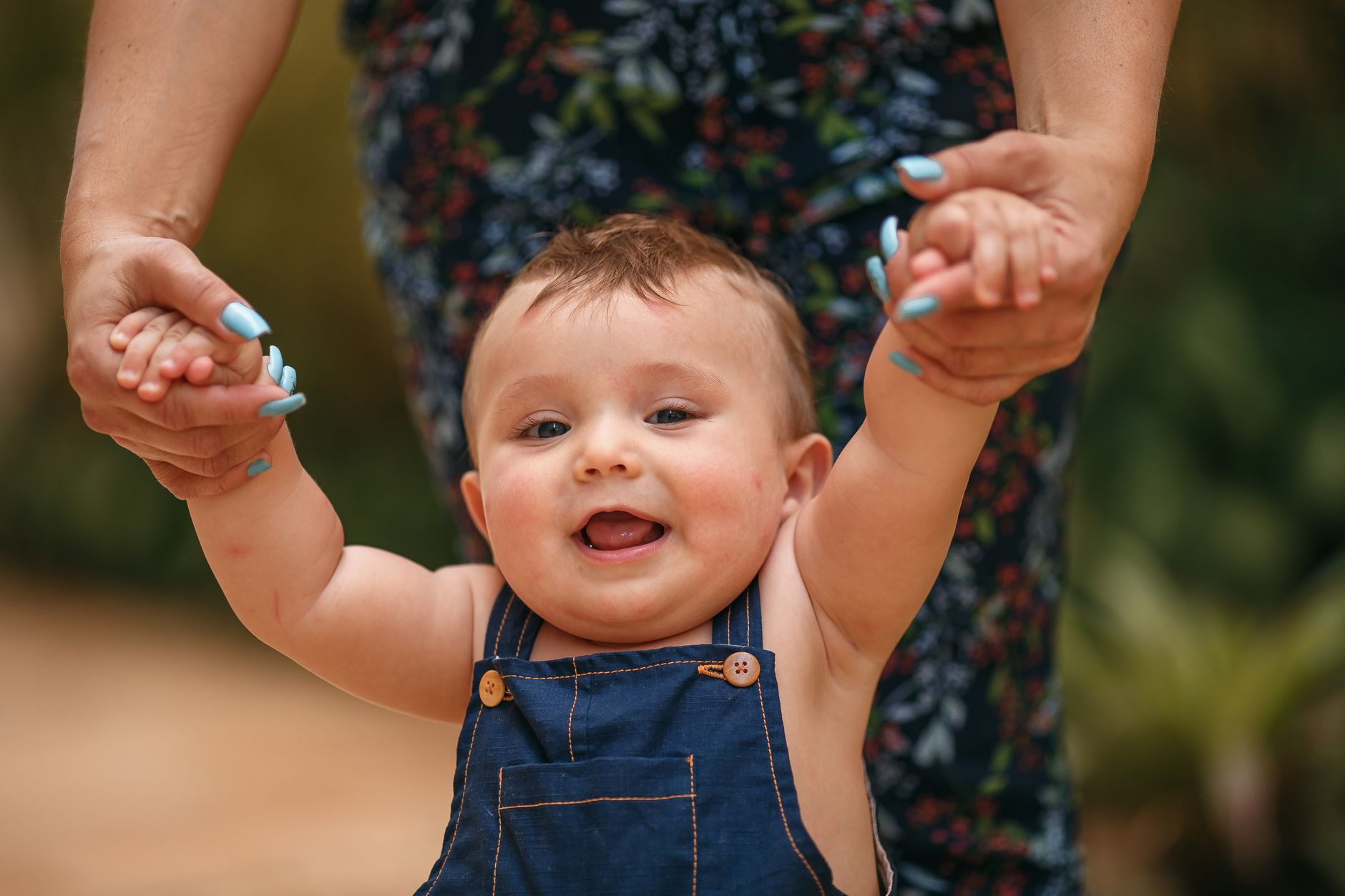
Most babies will take their first independent steps sometime between 9 and 15 months. However, it is essential to note that developmental timelines can vary significantly. Here’s a general guide to walking milestones:
| Age Range | Milestone |
|---|---|
| 9-12 months | First steps with support; pulling up to stand. |
| 12-15 months | First independent steps; cruising along furniture. |
| 15-18 months | Walking becomes more confident; beginning to run. |
It’s important to remember that each child develops at their own pace. Some may take their first steps as early as 8 months, while others might not walk until 18 months or later. If you have concerns about your child’s walking development, consult a pediatrician.
Factors That Influence Walking Development
Several factors can influence when and how babies start walking. These include physical, environmental, and genetic factors.
1. Physical Factors
A baby’s physical development plays a significant role in walking. Muscle strength, coordination, and balance are essential components. Babies who have had opportunities to practice crawling, pulling up, and cruising may walk earlier. Additionally, babies with higher muscle tone or strength may also exhibit early walking skills.
2. Environmental Factors
The environment is crucial for encouraging walking. A safe and spacious area for exploration allows babies to practice their newfound skills. Here are some environmental tips to consider:
- Remove obstacles that could cause falls.
- Provide a soft surface for practicing walking, like carpet or mats.
- Create a safe area with furniture at varying heights for pulling up and cruising.
3. Genetic Factors
Genetics can also play a role in walking development. Some children may inherit traits that make them more physically active or adventurous. If parents walked early, it’s possible their children may follow suit, but this is not a strict rule. Every child is unique, and their timeline will reflect their individual growth patterns.
Supporting Your Baby’s Walking Journey
As a parent or caregiver, there are several ways you can support your baby as they learn to walk. Here are some practical tips:
1. Create a Safe Environment
Safety is paramount when your baby starts walking. Make sure the area is free from sharp objects, uneven surfaces, or anything that could pose a risk of injury. Use safety gates to limit access to stairs and ensure furniture is stable.
2. Encourage Exploration
Encourage your baby to explore their surroundings. Provide toys that promote movement, such as push toys or ride-on toys. These can help build confidence and improve balance.
- Limit screen time to encourage physical activity.
- Engage in floor play to stimulate crawling and pulling up.
- Provide positive reinforcement when they attempt to walk.
3. Be Patient and Supportive
Every child develops at their own pace. Be patient and celebrate small milestones, such as standing without support or taking a few steps. Your encouragement can boost their confidence and motivation.
The Role of Physical Environment in Walking Development
The physical environment plays a significant role in how and when babies learn to walk. A safe and engaging environment can encourage exploration and movement, which are crucial for walking development. Parents can create a supportive environment by considering various factors related to their baby’s surroundings.
Safe Space for Exploration
Babies need ample space to practice their movements without obstacles that could lead to falls or injuries. Ensuring that the area is free from sharp objects and clutter allows babies to explore freely.
- Clear pathways: Remove furniture or obstacles that may hinder movement.
- Soft flooring: Use carpets or padded mats to provide a safe landing in case of falls.
- Safe zones: Designate areas where babies can practice standing and walking without distractions.
Encouraging Movement Through Play
Playtime is a critical aspect of a baby’s physical development. Engaging in play that encourages movement can significantly aid in walking readiness. Activities that promote crawling, standing, and cruising can be beneficial.
- Use of toys: Select toys that encourage reaching and bending, such as stacking blocks.
- Interactive games: Engage in games that require your baby to move, like hide-and-seek.
- Movement classes: Consider enrolling in infant movement classes that focus on gross motor skills.
Adapting to Different Environments
Babies will often experience different environments, whether at home, in parks, or during family visits. Each setting presents unique challenges and opportunities for walking development. Parents should be mindful of how these environments can influence their baby’s confidence and ability to walk.
- Outdoor exploration: Allow babies to walk on grass, sand, or uneven surfaces to build confidence.
- Social interactions: Encourage playdates where babies can observe and learn from peers.
- Travel considerations: When traveling, ensure that safe walking spaces are available and accessible.
The Impact of Nutrition on Walking Development
Nutrition is essential for a baby’s overall growth and development, including their ability to walk. A well-balanced diet provides the necessary nutrients that support muscle development, energy levels, and cognitive functions that are all essential for learning to walk.
Essential Nutrients for Growth
Several specific nutrients play a vital role in supporting the physical development necessary for walking. It’s important for caregivers to ensure that babies receive adequate nutrition to support their growing bodies.
- Calcium: Vital for strong bones, which are essential for weight-bearing activities like walking.
- Vitamin D: Helps in calcium absorption and promotes bone health.
- Protein: Supports muscle development, providing strength for movement.
Timing of Introducing Solid Foods
The timing of introducing solid foods can also affect a baby’s walking development. Research suggests that introducing a variety of solid foods at the appropriate age can enhance growth and development.
- Starting solids: Introduce solids around six months, focusing on iron-rich foods.
- Diverse diet: Include fruits, vegetables, and whole grains to provide a range of nutrients.
- Avoiding allergens: Gradually introduce allergenic foods while monitoring for reactions.
Hydration and Its Importance
Hydration is often overlooked but is crucial for maintaining energy levels and overall health. Proper hydration can support physical activity and, consequently, walking development.
- Signs of hydration: Monitor for signs such as dry lips or decreased urine output.
- Water intake: Offer small amounts of water as the baby transitions to solid foods.
- Healthy hydration: Encourage fluids from fruits and vegetables to enhance overall hydration.
The Influence of Social Interaction on Walking Development
Social interaction plays a pivotal role in a baby’s walking development. Babies are naturally inclined to mimic behaviors they observe in their caregivers and peers. Engaging with others can provide motivation and encouragement for walking.
Modeling Behavior
Caregivers can significantly impact their baby’s walking development by modeling walking behavior. When babies see caregivers walking, they may be more inclined to try it themselves.
- Frequent walking: Take your baby out for walks in a stroller or hold their hands as they walk.
- Encouragement: Praise and cheer when your baby attempts to stand or take steps.
- Group activities: Join parent-and-baby classes that focus on movement and walking.
Peer Interaction
Babies learn from their peers, and observing other children can inspire them to walk. Playdates and group activities provide opportunities for babies to watch and imitate their friends.
- Playgroups: Join local playgroups to allow your baby to interact with other children.
- Shared activities: Facilitate group play that encourages movement, such as crawling races.
- Social learning: Recognize that social interactions can enhance motivation to walk.
Emotional Support and Confidence
A baby’s emotional well-being is closely tied to their willingness to explore and take risks, including learning to walk. A nurturing environment that fosters emotional security can enhance a baby’s confidence.
- Positive reinforcement: Offer encouragement and support during attempts to walk.
- Parental presence: Be nearby to provide reassurance as your baby explores.
- Creating routines: Establish consistent routines that include time for walking practice.
Common Myths About Walking Development
Myth: Early Walkers Are More Advanced
Many parents believe that if their baby walks early, it indicates superior development or intelligence. In reality, walking at different ages is a normal variation in development. Research suggests that children who walk earlier do not have a significant advantage in later physical or cognitive abilities compared to those who walk later. It’s essential to recognize that each child develops at their own pace.
Myth: Babies Should Be Walking by a Certain Age
Another prevalent myth is that all babies should walk by a specific age, usually around 12 months. However, the range for walking is typically between 9 and 15 months, with some children not walking until 18 months. Parents should be cautious about setting rigid expectations and instead focus on their child’s unique timeline of development.
Assessing Walking Readiness
Physical Signs of Readiness
Before babies start walking, they exhibit several physical signs that indicate their readiness. These signs include:
- Pulling up to stand from a sitting position
- Cruising along furniture
- Steady balance while standing
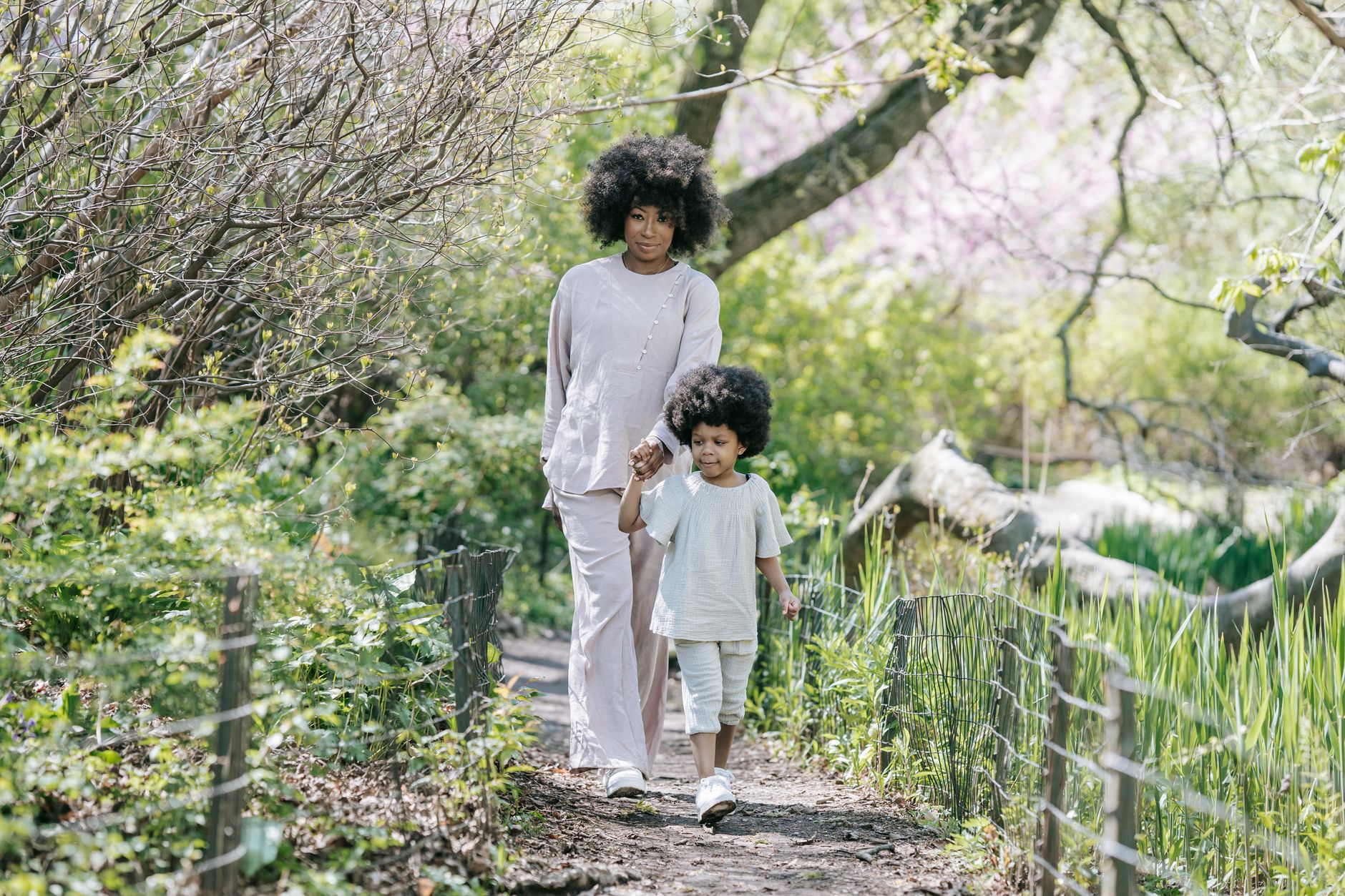
- Taking steps while holding onto an adult or object
As these milestones are achieved, parents can feel more confident that their child is preparing for independent walking. Observation of these signs can help parents support their child’s journey toward walking.
Emotional Readiness and Confidence
Emotional readiness also plays a significant role in walking development. Babies need to feel secure and confident in their ability to walk. Encouragement and positive reinforcement from caregivers can help build this confidence. Additionally, providing a safe space for exploration can reduce anxiety and foster a willingness to take those first steps.
Safety Considerations When Babies Start Walking
Creating a Safe Walking Environment
As babies begin to walk, parents must ensure their home environment is safe. This can involve:
- Removing sharp objects and hazardous materials
- Installing safety gates at stairways
- Covering electrical outlets
- Securing heavy furniture to prevent tipping
Creating a safe space allows babies to explore without the risk of injury. Regularly assessing the environment as the child develops can help maintain safety.
Supervision and Interaction
While babies are learning to walk, constant supervision is crucial to prevent falls and accidents. Engaging with them during this phase can also provide emotional support. Parents can encourage walking by playing games that promote movement or by walking alongside their child. This not only enhances safety but also fosters a positive association with walking.
Frequently Asked Questions
1. What are the signs that my baby is ready to walk?
Signs of readiness include pulling up to stand, cruising along furniture, and showing interest in walking. If your baby is able to move confidently while holding onto surfaces, they may be ready to take their first steps.
2. What should I do if my baby isn’t walking by 18 months?
If your baby isn’t walking by 18 months, it’s a good idea to consult a pediatrician. They can assess your child’s development and provide guidance or referrals to specialists if necessary.
3. Is it normal for babies to walk later than others?
Yes, it is entirely normal for babies to walk at different ages. Some may walk as early as 8 months, while others may not walk until 18 months or later. Each child develops at their own pace.
4. How can I help my baby learn to walk?
Create a safe environment, encourage exploration, and provide support. Use push toys and engage in floor play to help strengthen their muscles and coordination.
The Bottom Line
When do babies start walking is an important milestone that varies for each child. Most babies take their first steps between 9 to 15 months, but the timeline can differ based on various factors. By creating a safe environment and encouraging exploration, you can support your child’s journey to walking. If you have any concerns, don’t hesitate to consult a pediatrician for personalized guidance.
Note: This article is for general information only and is not medical advice. See a qualified health professional about your own situation.