
Key Takeaways
- A significant percentage of American adults do not engage in regular exercise.
- Understanding the reasons behind the lack of exercise can help in creating effective interventions.
- Regular physical activity is crucial for maintaining overall health.
- Strategies can be employed to encourage more Americans to exercise.
When exploring the health landscape of the United States, one critical question arises: Which percentage of american adults do not exercise on a regular basis? Understanding this statistic is essential for public health officials, healthcare providers, and individuals seeking to improve their own health. Regular physical activity is vital for maintaining good health and preventing chronic diseases, yet many adults fall short of recommended exercise guidelines.
According to the Centers for Disease Control and Prevention (CDC), regular physical activity offers numerous benefits, including improved cardiovascular health, better mental health, and a lower risk of chronic diseases like diabetes and obesity. Despite these benefits, many adults do not meet the minimum guidelines for physical activity. This article will delve into the statistics surrounding adult exercise habits in the U.S., explore the reasons behind the lack of regular exercise, and discuss the implications of these trends.
Furthermore, we will provide practical tips to encourage more Americans to incorporate physical activity into their daily routines. By understanding the current landscape of exercise among adults, we can work towards promoting healthier lifestyles and improving overall public health.
Current Statistics on Adult Exercise
Recent data reveals that a substantial portion of American adults do not engage in regular physical exercise. The CDC defines regular exercise as at least 150 minutes of moderate-intensity aerobic activity or 75 minutes of vigorous-intensity activity each week, alongside muscle-strengthening activities on two or more days per week.
According to the CDC’s Behavioral Risk Factor Surveillance System (BRFSS), approximately 23% of American adults reported doing no leisure-time physical activity in 2020. This statistic reflects a concerning trend, as it indicates that nearly a quarter of the adult population is not meeting recommended physical activity levels. The lack of regular exercise can lead to detrimental health outcomes, including obesity, heart disease, and mental health issues.
It’s important to note that exercise habits can vary significantly based on factors such as age, gender, socioeconomic status, and geographic location. For example, younger adults tend to be more active than older adults, and men generally report higher levels of physical activity compared to women. Understanding these demographics can help tailor interventions aimed at increasing exercise participation among specific groups.
Demographics of Inactive Adults
The demographics of adults who do not exercise regularly can shed light on the barriers they face. Studies have shown that certain groups are more likely to be inactive. Here are some key demographics:
- Age: Inactivity tends to increase with age. Older adults often face physical limitations, health issues, or lack of access to safe exercise environments.
- Gender: Women are statistically more likely to be inactive compared to men. Factors such as caregiver responsibilities and social norms can influence this disparity.
- Socioeconomic Status: Individuals with lower income levels often have less access to recreational facilities, safe neighborhoods, or time due to work obligations, leading to higher inactivity rates.
- Education Level: Higher education levels are generally associated with higher rates of physical activity. Educated individuals may have better knowledge of health benefits related to exercise.
Understanding these demographic factors is crucial for public health initiatives aimed at increasing physical activity. Tailored approaches that address specific barriers faced by these groups can lead to more effective outcomes.
Barriers to Regular Exercise
Identifying the reasons why many American adults do not exercise regularly is essential for developing effective strategies to promote physical activity. Several barriers contribute to this issue:
- Lack of Time: Many adults cite busy schedules and competing responsibilities, such as work and family obligations, as major obstacles to finding time for exercise.
- Motivation: A lack of motivation or interest in physical activity can hinder individuals from engaging in regular exercise. This can stem from previous negative experiences with exercise or a lack of understanding about its benefits.
- Physical Limitations: Health issues, injuries, or chronic pain can make exercise difficult or uncomfortable for some individuals, leading to inactivity.
- Environmental Factors: Safety concerns, lack of access to parks or gyms, and inadequate facilities can deter people from exercising in their communities.
Addressing these barriers requires a multifaceted approach that includes community support, education, and accessible resources. By understanding the factors that contribute to inactivity, we can better tailor interventions to encourage more Americans to engage in regular exercise.
Health Implications of Inactivity
The health implications of not exercising regularly are profound and far-reaching. Inactivity can lead to a variety of physical and mental health issues, including:
- Obesity: Lack of physical activity contributes to weight gain and obesity, which increases the risk of various chronic diseases.
- Cardiovascular Diseases: Sedentary lifestyles are linked to an increased risk of heart disease, hypertension, and stroke.
- Type 2 Diabetes: Regular exercise helps regulate blood sugar levels. Inactivity can lead to insulin resistance and the development of type 2 diabetes.
- Mental Health Issues: Physical activity is known to improve mood and reduce symptoms of anxiety and depression. Inactive individuals may experience higher levels of stress and mental health challenges.
Addressing physical inactivity is crucial not only for individual health but also for reducing healthcare costs and improving the overall health of communities. Public health campaigns aimed at increasing awareness and promoting exercise can have a significant impact.

Strategies to Encourage Regular Exercise
To combat the high percentage of inactive American adults, various strategies can be employed to encourage regular exercise. Here are some effective approaches:
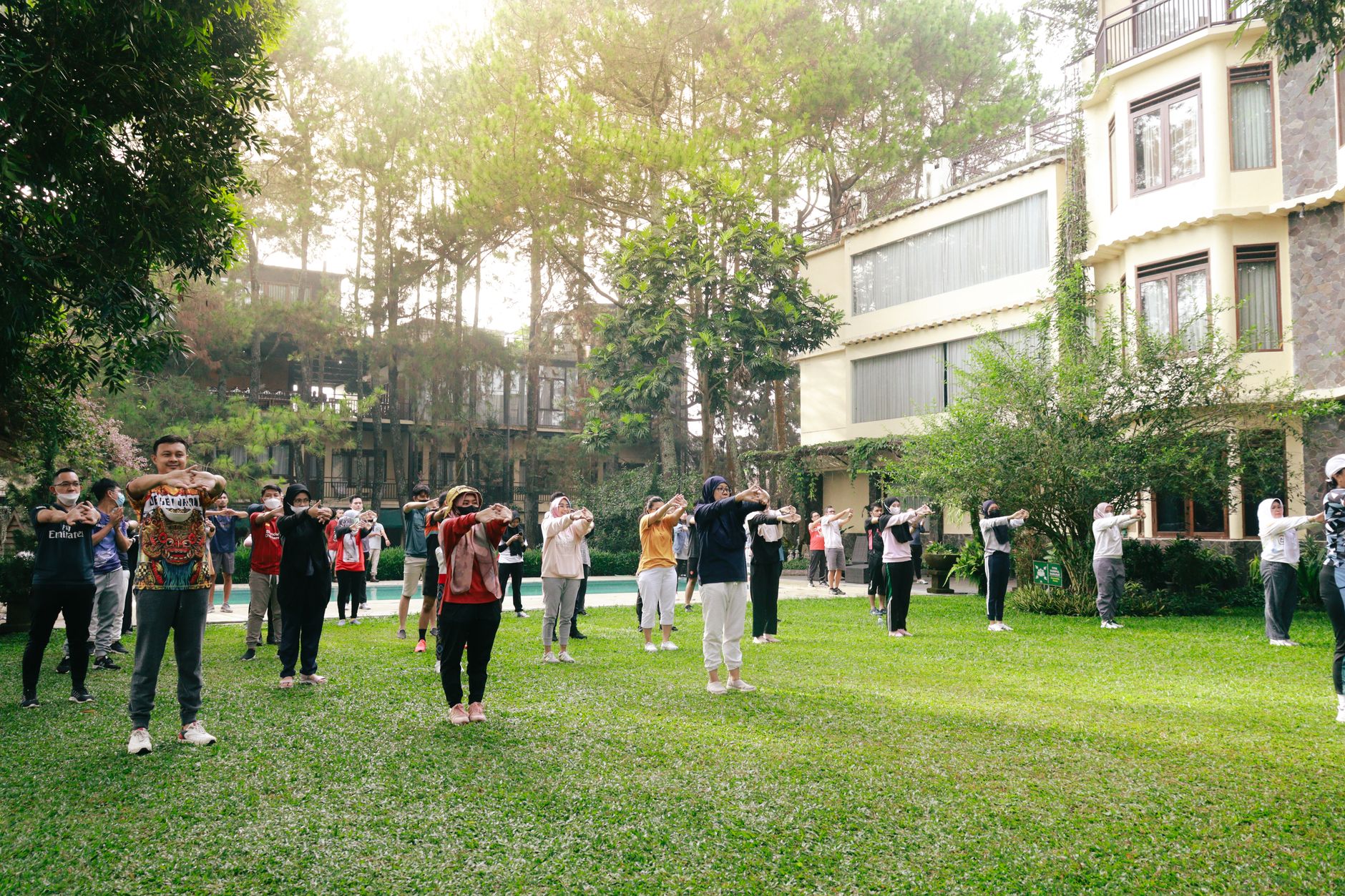
- Community Programs: Implementing local exercise programs, such as group classes or walking clubs, can foster a sense of community and support among participants.
- Education and Awareness: Providing information on the benefits of exercise and how to incorporate it into daily life can motivate individuals to become more active.
- Creating Safe Environments: Improving access to safe parks, trails, and recreational facilities can encourage physical activity in neighborhoods.
- Workplace Initiatives: Employers can promote physical activity through wellness programs, encouraging employees to take breaks for exercise and providing gym facilities.
By implementing these strategies, communities can create an environment that fosters physical activity and encourages individuals to prioritize their health.
Psychological Factors Influencing Exercise Participation
Motivation and Exercise Adherence
Understanding what motivates individuals to exercise is crucial in addressing the high percentage of American adults who do not engage in regular physical activity. Motivation can stem from intrinsic factors, such as personal satisfaction and enjoyment, or extrinsic factors, such as social support and accountability. Research indicates that individuals who find personal meaning in their exercise routines are more likely to adhere to them over time. Creating a motivating environment can enhance the likelihood of maintaining an active lifestyle.
Some common intrinsic motivators include:
- Enjoyment of physical activity
- Desire for personal achievement
- Improvement in physical appearance
Conversely, extrinsic motivators can include:
- Social support from friends and family
- Access to fitness resources, such as gyms or classes
- Incentives like rewards or recognition
The Role of Mental Health in Exercise
Mental health plays a significant role in exercise participation among adults. Conditions such as depression and anxiety can greatly diminish an individual’s motivation to engage in physical activities. Studies have shown that people with poor mental health are less likely to exercise regularly, which creates a cycle of inactivity that further exacerbates mental health issues.
Addressing mental health concerns through various interventions can lead to improved exercise participation. Strategies to consider include:
- Incorporating exercise into therapeutic programs
- Encouraging group activities to foster social connections
- Utilizing mindfulness and stress-reduction techniques
Social Influences and Community Engagement
The social environment can play a pivotal role in shaping exercise habits. An individual’s immediate community, including family, friends, and colleagues, can significantly influence their decision to engage in physical activity. Social support can provide encouragement and accountability, making it easier for individuals to incorporate exercise into their routines.
Community engagement can be enhanced through:
- Local fitness events or challenges
- Group classes that promote teamwork
- Neighborhood walking or running clubs
Creating a supportive community atmosphere can motivate individuals to prioritize exercise as part of their daily lives.

Impact of Technology on Exercise Habits
Fitness Apps and Wearable Devices
In recent years, the advent of technology has transformed how individuals approach exercise. Fitness apps and wearable devices have become increasingly popular, providing users with tools to track their activity levels, set goals, and monitor progress. These technologies can serve as both motivators and accountability partners, encouraging users to stay active.
Features commonly found in fitness technology include:
- Activity tracking and statistics
- Personalized workout plans
- Social sharing capabilities
Online Communities and Virtual Workouts
The rise of online communities and virtual workout sessions has made it easier for individuals to engage in exercise from the comfort of their homes. This accessibility can be particularly beneficial for those who feel intimidated by traditional gym settings or lack access to local fitness resources. Virtual platforms often provide diverse workout options, catering to various fitness levels and interests.
Benefits of virtual workouts include:
- Flexibility in scheduling
- Variety of workout styles available
- Connection with a broader community of fitness enthusiasts
Challenges of Over-Reliance on Technology
While technology can promote physical activity, there are potential downsides to consider. Over-reliance on fitness apps and devices may lead to feelings of inadequacy or pressure to achieve unrealistic goals. Additionally, excessive screen time can contribute to a sedentary lifestyle, counteracting the benefits of exercise.
To mitigate these challenges, users should aim for a balanced approach by:
- Setting realistic fitness goals
- Limiting total screen time
- Engaging in outdoor activities without technology
Long-Term Effects of Inactivity and Recommendations
Physical Health Consequences
Inactivity is associated with a plethora of long-term health consequences, including cardiovascular disease, obesity, diabetes, and certain types of cancer. The lack of regular physical activity can also lead to muscular and skeletal issues, which can diminish quality of life. As individuals age, the importance of maintaining an active lifestyle becomes even more critical to prevent these adverse health outcomes.
Recommendations for improving physical health include:
- Engaging in at least 150 minutes of moderate-intensity aerobic activity per week
- Incorporating strength training exercises at least two days a week
- Consulting healthcare providers for personalized exercise plans
Emotional and Cognitive Effects
Inactivity does not only affect physical health; it can also lead to emotional and cognitive decline. Regular physical activity has been shown to enhance mood, reduce feelings of anxiety and depression, and improve cognitive function. The brain benefits significantly from exercise, as it promotes neuroplasticity and increases the production of neurotrophic factors that support brain health.
To enhance emotional and cognitive well-being, individuals should consider:
- Participating in activities that enhance both physical and mental engagement, such as dance or yoga
- Setting aside time for physical activity as a form of self-care
- Exploring nature and outdoor activities to boost mood
Community Programs and Resources
Community programs can play a vital role in promoting regular exercise among adults. Local initiatives aimed at increasing access to physical activity opportunities can help reduce the rates of inactivity. These programs may include free fitness classes, community sports leagues, and organized walking groups.
Key components of successful community programs include:
- Accessibility for all age groups and fitness levels
- Collaboration with local health organizations
- Marketing efforts to raise awareness about available resources
Frequently Asked Questions
What are the recommendations for adult exercise?
The CDC recommends that adults engage in at least 150 minutes of moderate-intensity or 75 minutes of vigorous-intensity aerobic activity each week, as well as muscle-strengthening activities on two or more days per week.
Why do some people avoid exercising?
Barriers such as lack of time, motivation, physical limitations, and environmental factors can discourage people from exercising regularly.
How can I get started with regular exercise?
Start by setting realistic goals, finding activities you enjoy, and gradually incorporating exercise into your daily routine. Consider joining a class or seeking support from friends or family.
What are the mental health benefits of exercise?
Regular physical activity can improve mood, reduce symptoms of anxiety and depression, and enhance overall mental well-being.
The Bottom Line
Understanding which percentage of american adults do not exercise on a regular basis highlights a significant public health challenge. With nearly a quarter of adults being inactive, it is crucial to address the barriers to physical activity and promote exercise as a vital component of a healthy lifestyle. By implementing community programs, raising awareness, and creating supportive environments, we can encourage more Americans to engage in regular exercise and improve their health outcomes.
Note: This article is for general information only and is not medical advice. See a qualified health professional about your own situation.