Why am I bloated before my period?
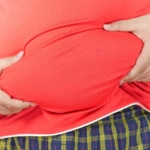
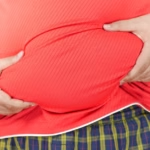
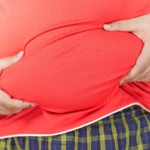
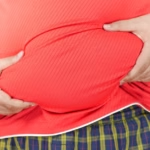
If you’ve ever groaned in discomfort and wondered, “Why am I bloated before my period?”, you’re definitely not alone. Many people experience bloating as their menstrual cycle approaches, and it can leave you feeling full, gassy, or uncomfortable. This is often related to hormonal changes in the body that occur during the premenstrual phase. Understanding why this happens can help you identify your symptoms and find ways to ease them.
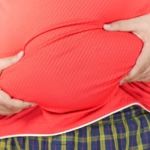
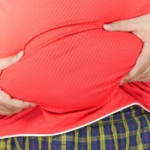
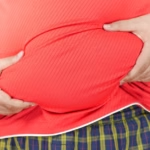
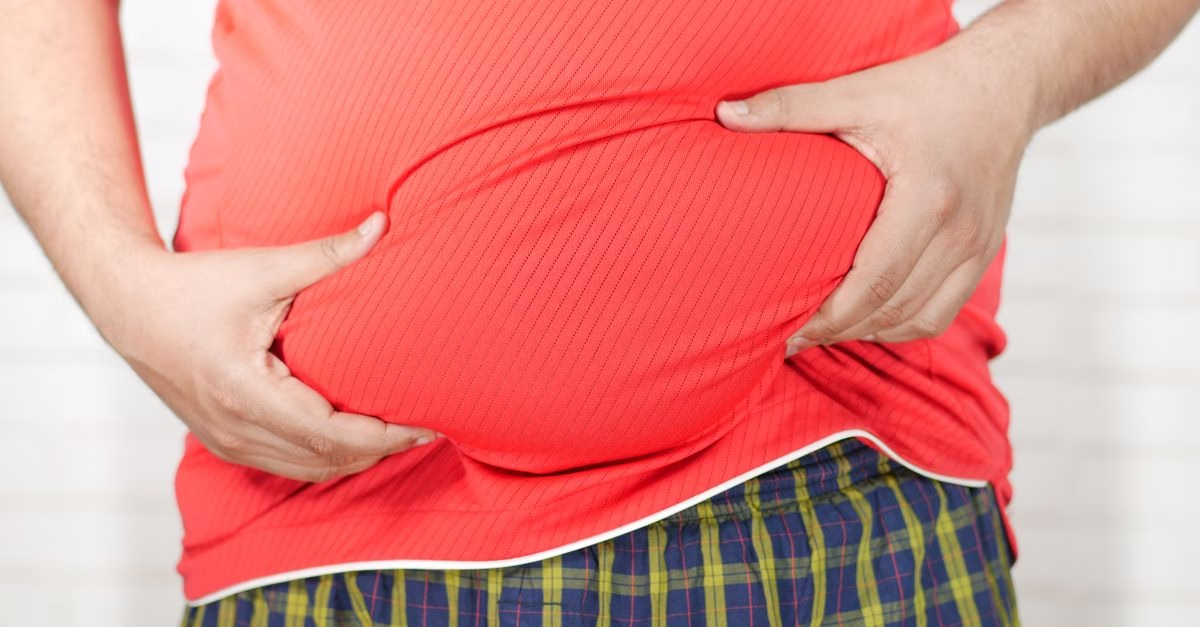
So, what exactly does being bloated mean in this context? It usually refers to the feeling of fullness or swelling in the abdomen, which can sometimes make your clothes feel tighter or even painful. People searching for answers like “Why am I bloated before my period?” are often looking for relief or understanding about their symptoms. Let’s dive into the reasons behind this pesky bloating and what you can do about it.
What Does This Mean?
Bloating occurs when the abdomen feels swollen or distended. It’s essential to note that bloating is a common occurrence and often caused by the buildup of gas in the digestive system or changes in the body’s hormones. During the menstrual cycle, especially in the days leading up to your period, hormonal fluctuations can lead to fluid retention and changes in your gut function, which means some discomfort is to be expected.
Hormones like estrogen and progesterone play a crucial role. As these hormone levels rise and fall, they can affect how your body holds onto water and how efficiently your digestive system works. It’s not all bad news; being aware of these changes lets you take proactive steps to cope with bloating.
Why Does This Happen?
One possible reason for premenstrual bloating is the increase in progesterone, which tends to peak just before your period begins. This hormone can slow down your digestion, leading to feelings of fullness. Another common factor is estrogen, which can cause your body to retain more water as it prepares for menstruation. Research suggests that as your body retains this extra fluid, it can lead to that uncomfortable, puffy feeling in your belly.
In some people, digestive issues like constipation can also contribute. As hormone levels fluctuate, you may find that your regular bowel movements are affected, leading to additional bloating. It’s good to remember; experiencing these changes is entirely normal and happens to many, if not all, menstruating people.
Common Causes
Let’s break down some common causes of why you might feel bloated before your period:
- Hormonal Changes: The rise in hormones like progesterone and estrogen can lead to water retention and slower digestion, contributing to bloating.
- Dietary Factors: Your food choices can also play a role. Consuming salty foods or those high in refined carbs can worsen bloating due to increased water retention. Keep an eye on what you eat leading up to your period.
- Digestive Health: Hormonal fluctuations can affect bowel movement and gut motility. If you’re prone to constipation, you might notice more bloating!
- Stress Levels: Emotional stress can exacerbate digestive symptoms. So, if you’re feeling tense or anxious about upcoming events, it may impact your gut.
- Lifestyle Habits: Smoking, alcohol consumption, and lack of physical activity can also contribute to bloating. This is mainly due to their effects on digestion and overall health.
Signs and Symptoms to Watch For
The main symptom associated with premenstrual bloating is, of course, the feeling of fullness or swelling in the abdomen. Accompanying symptoms might include:
- Gas or discomfort in the stomach
- Mild abdominal cramps
- Changes in bowel habits (like constipation)
- A feeling of tightness in your clothes
While bloating itself is usually harmless, be aware of signs that may require medical attention, such as severe or persistent pain, blood in your stool, unexplained weight loss, or symptoms that suddenly become much worse.
What Can Make it Worse?
Several lifestyle and dietary choices can exacerbate bloating before your period. Here are a few factors to consider:
- Diet: A high-sodium diet can lead to water retention, while carbonated beverages can increase gas in your digestive system.
- Eating Habits: Eating too quickly can cause you to swallow more air, leading to bloating.
- Lack of Hydration: It may seem counterintuitive, but drinking less water can worsen bloating due to the body’s response to retain more fluids.
- Stress: Stress can trigger digestive problems, making bloating worse.
- Physical Inactivity: A sedentary lifestyle can slow digestion, causing more bloating.
Foods and Drinks Related to the Topic
Some foods may help alleviate bloating, while others can worsen the feeling. Here are some guidelines:
- Helpful Foods: Eating fiber-rich fruits and vegetables like bananas, carrots, and leafy greens may help promote healthy digestion.
- Hydration: Staying well-hydrated with water can help your body flush out excess sodium that causes bloating.
- Foods to Avoid: High-sodium foods, sugary snacks, and excess dairy may contribute to bloating. If you are intolerant to lactose, sticking to lactose-free options might also help.
Everyone reacts differently to foods, so it’s essential to pay attention to what works best for your body.
What Can We Do?
Here are some practical steps to consider that may help with premenstrual bloating:
- Monitor Your Diet: Keeping a food diary can help you identify which foods contribute to your bloating and which ones ease it.
- Stay Active: Regular exercise can help improve digestion and reduce bloating.
- Practice Stress Management: Techniques like yoga, meditation, or deep breathing can help reduce stress and, in turn, support gut health.
- Hydrate Adequately: Make sure you’re drinking plenty of fluids, as staying hydrated can help manage bloating.
- Use Heating Pads: Applying a heat source to your abdomen can provide relief from discomfort.
Remember, while these tips may help, they are not guaranteed solutions. It’s always good to consult with a healthcare professional for personalized advice.
When Should You See a Doctor?
While premenstrual bloating is generally normal, you should consider reaching out to a healthcare professional if:
- You experience severe or persistent abdominal pain.
- You notice blood in your stool.
- You have unexplained weight loss or other alarming symptoms.
- Symptoms worsen despite reasonable lifestyle adjustments.
It’s essential not to disregard concerning symptoms. Discussing your health with a professional can provide peace of mind and guidance.
Frequently Asked Questions
Why am I always bloated before my period?
Bloating before a period is often related to hormonal changes that can cause fluid retention and slower digestion. If symptoms persist or are severe, consult a healthcare professional.
Can food cause bloating before my period?
Yes, certain foods, particularly high-sodium or sugary items, can contribute to bloating. Keeping track of your diet can help identify triggers.
When should I worry about bloating before my period?
If bloating is accompanied by severe pain, blood in the stool, or if you experience unexplained weight loss, it’s a good idea to see a doctor.
Are there specific foods that help with bloating?
Foods rich in fiber, like fruits and vegetables, and being hydrated can support digestive health and may help reduce bloating.
Is bloating before my period related to PMS?
Yes, bloating can be a symptom of premenstrual syndrome (PMS), which includes various physical and emotional changes before menstruation.
Can stress affect bloating before my period?
Absolutely! Stress can impact gut health and digestion, potentially worsening bloating symptoms.
How can I prevent bloating before my period?
Staying active, monitoring your diet, and managing stress are effective strategies that may help prevent bloating.
Does exercise help with menstrual bloating?
Yes! Regular physical activity can help improve digestion and reduce bloating by keeping your body moving.
What the Research Says About Why Am I Bloated Before My Period?
Research shows that hormonal changes during the menstrual cycle, particularly increases in progesterone and estrogen, correlate with symptoms like bloating. Studies conducted by institutions like the National Institutes of Health have noted that these hormones can cause both fluid retention and a slowdown in digestive function, leading to bloating (NIH, 2021). Other comprehensive studies support the idea that dietary choices and lifestyle factors, such as stress levels and physical activity, also influence bloating before menstruation.
Further findings indicate that women with conditions like premenstrual dysphoric disorder (PMDD) may experience more severe bloating and related symptoms. However, these symptoms can vary significantly from person to person and less is understood about the long-term effects of these hormonal fluctuations on digestive health.
Simple Daily Habits That May Support Better Health
Incorporating small, manageable habits can promote overall health and help manage bloating:
- Drink Plenty of Water: Staying hydrated is crucial for keeping your body functioning well, especially during your menstrual cycle.
- Eat Balanced Meals: Focus on whole foods rather than processed options to minimize sodium and sugar intake.
- Move Regularly: Find ways to stay active, whether through walking, yoga, or any exercise that you enjoy.
- Manage Stress: Try to include activities into your routine that help manage stress levels, such as meditation or spending time outdoors.
Final Thoughts
Experiencing bloating before your period is something many people encounter due to hormonal changes and various lifestyle factors. Being aware of these potential causes and symptoms can help us feel more prepared and less anxious during this time of the month. We often have the power to make small changes in our diets and daily routines that can help ease discomfort. However, persistent, severe, or concerning symptoms should always be discussed with a healthcare professional.
Ultimately, listening to our bodies and understanding our symptoms is key. If you notice patterns or if certain habits positively or negatively affect your bloating, don’t hesitate to reach out for guidance. Remember, you are not alone in this journey; there’s a supportive community and professionals who are here to help.
Sources and References
National Institutes of Health: Hormones and Menstruation. 2021. https://www.nih.gov/
Mayo Clinic: Premenstrual syndrome (PMS). Updated 2023. https://www.mayoclinic.org/
Cleveland Clinic: Bloating: A Guide to What Causes It. 2023. https://my.clevelandclinic.org/
Harvard T.H. Chan School of Public Health: The Impact of Diet on Digestive Health. 2022. https://www.hsph.harvard.edu/
American Gastroenterological Association: Digestive Health Basics. https://www.gastro.org/
Medical Disclaimer
This article is for general educational and informational purposes only. It is not intended to provide medical advice, diagnosis, or treatment. Health conditions can affect people differently, and information that is appropriate for one person may not be appropriate for another. If you have persistent, severe, or concerning symptoms, speak with a qualified healthcare professional for personalized advice.
Further Reading
Ivf Shot Schedule: 10 Things You Should Know
Omeprazole and Alcohol: Is It Safe to Mix?
what does a growth spurt in pregnancy feel like
Photo by Towfiqu barbhuiya on Pexels.