
Key Takeaways
- Understanding sleep patterns in babies is crucial.
- Common reasons for sleep resistance include overstimulation.
- Consistent bedtime routines can help ease sleep struggles.
- Consult a healthcare professional for persistent sleep issues.
Why do babies fight sleep?
Many new parents find themselves asking, “Why do babies fight sleep?” This is a common concern, as many infants seem to resist sleep despite their evident tiredness. Understanding the reasons behind this behavior can help parents and caregivers create a more conducive sleeping environment for their little ones. Babies have unique sleep patterns and needs, and their reluctance to sleep can be attributed to several factors.
Fighting sleep is not only frustrating for parents but can also affect a baby’s overall well-being. In this article, we will explore the various reasons why babies resist sleep, practical strategies to help, and when to seek professional advice.
By gaining insights into the sleep habits of infants, caregivers can foster healthier sleep routines that benefit both the baby and the family as a whole.
Understanding Baby Sleep Patterns
To comprehend why babies fight sleep, it is important to first understand their sleep patterns. Babies have different sleep cycles compared to adults. For instance, newborns sleep about 16 to 17 hours a day but usually in short bursts of 2 to 4 hours. This fragmented sleep can make it challenging for them to settle down.
As babies grow, their sleep patterns begin to change. Between 4 to 6 months, many infants start to develop a more predictable sleep schedule, typically sleeping for longer stretches at night. However, even as their sleep improves, they may still resist naps or bedtime due to various factors.
Sleep Cycles
Understanding the stages of sleep can help caregivers recognize when their baby might be fighting sleep:
- Active Sleep: This is similar to REM sleep in adults, where dreaming occurs. Babies might twitch or move, making it seem like they are awake.
- Quiet Sleep: This stage is deeper and less active. Babies are less likely to wake up during this phase.
- Transition: Babies often cycle through these stages multiple times during a sleep period, which can sometimes lead to confusion and resistance when they wake.
Sleep Needs by Age
| Age Group | Daily Sleep Requirements | Typical Sleep Duration |
|---|---|---|
| Newborn (0-3 months) | 14-17 hours | 2-4 hours per stretch |
| Infant (4-11 months) | 12-15 hours | 6-8 hours at night; 2-3 naps |
| Toddler (1-2 years) | 11-14 hours | 10-12 hours at night; 1 nap |

Common Reasons Babies Fight Sleep
There are several reasons why babies might resist sleep, including physiological and environmental factors.
Overstimulation
One major reason babies may fight sleep is overstimulation. In today’s busy world, it is easy for infants to become overwhelmed by their surroundings. Bright lights, loud noises, and even too much interaction can lead babies to feel overstimulated. When this happens, their natural response may be to resist sleep.
Hunger
Another common reason for sleep resistance is hunger. Babies have small stomachs and may need to eat more frequently than older children or adults. If a baby has not had enough to eat before bedtime, they may wake up more often or have difficulty settling down.
Discomfort
Physical discomfort can also lead to sleep resistance. This discomfort could stem from a wet diaper, tight clothing, or even teething pain. Babies often do not have the verbal skills to communicate their discomfort, so they may express it by crying or resisting sleep.
Creating a Sleep-Friendly Environment
Establishing a conducive sleep environment can make a significant difference in a baby’s ability to fall asleep. Here are some practical tips:
Optimal Sleep Space
- Darkness: Use blackout curtains to keep the room dark during the day and night.
- Comfortable Temperature: Ensure the room is at a comfortable temperature, typically between 68-72°F (20-22°C).
- White Noise: Consider using a white noise machine to help drown out disruptive sounds.
Consistent Routine
Creating a consistent bedtime routine can signal to a baby that it is time to sleep. A simple routine might include:
- Bath time
- Storytime
- Lullabies
- Goodnight kisses
Sleep Training Techniques
Some parents may choose to implement sleep training techniques, which can help a baby learn to fall asleep independently. Here are a few methods:
- Ferber Method: This involves letting the baby cry for progressively longer intervals before comforting them.
- No Tears Method: This method focuses on soothing the baby without letting them cry, gradually teaching them to sleep independently.
- Chair Method: Parents gradually move further away from the crib each night until the baby can fall asleep on their own.
When to Seek Professional Help
While most sleep resistance in babies is normal, there are times when it may be beneficial to consult a healthcare professional. Here are signs to look for:
Persistent Sleep Issues
If a baby consistently fights sleep despite efforts to create a conducive environment and routine, it may be time to seek advice. This is especially important if the baby appears excessively tired or irritable during the day.
Underlying Health Concerns
In some cases, sleep resistance could be a sign of underlying health issues such as reflux, allergies, or sleep disorders. A healthcare professional can assess these concerns and recommend appropriate interventions.
Parental Support
Parents may also benefit from support or guidance on managing sleep issues. Parenting classes, support groups, or consultations with pediatric sleep specialists can provide valuable insights and strategies.
1. The Role of Nutrition in Sleep Behavior
1.1 Importance of Balanced Feeding
Nutrition plays a pivotal role in a baby’s overall health, including their sleep patterns. A balanced diet rich in essential nutrients supports the development of sleep-regulating hormones, such as melatonin and serotonin. Breast milk or formula provides the necessary calories and hydration, while introducing solid foods when appropriate can offer variety and additional nutrients.
It is crucial to ensure that babies are not going to bed hungry, as hunger can cause discomfort and lead to sleep resistance. Signs of proper nutrition include steady weight gain and adequate urine output, which indicate that the baby is well-fed.
1.2 Timing of Feedings
The timing of feedings can significantly impact a baby’s ability to fall asleep. Infants often benefit from being fed shortly before their scheduled nap or bedtime. This approach can help avoid hunger-related awakenings during the night. Parents are encouraged to establish a feeding schedule that aligns with their baby’s natural sleep-wake cycle.
- Feed before sleep: Offering a feeding just before sleep can help ensure the baby is satiated.
- Monitor hunger cues: Look for signs of hunger, such as rooting or sucking on their hands.
- Gradual transitions: As babies grow, gradually transition to solid foods, ensuring they are still receiving adequate nutrition.
1.3 Common Nutritional Challenges
Several nutritional challenges can affect a baby’s sleep behavior. For instance, food allergies or sensitivities can lead to gastrointestinal discomfort, which may trigger sleep disruptions. Common allergens include dairy, soy, and gluten. Parents should observe their babies for any adverse reactions to new foods, especially when introducing solids.
Additionally, overfeeding or underfeeding can impact sleep. Overfed babies may experience discomfort, while underfed babies may wake frequently due to hunger. Consulting with a pediatrician or a registered dietitian can provide tailored guidance on feeding practices that promote better sleep.
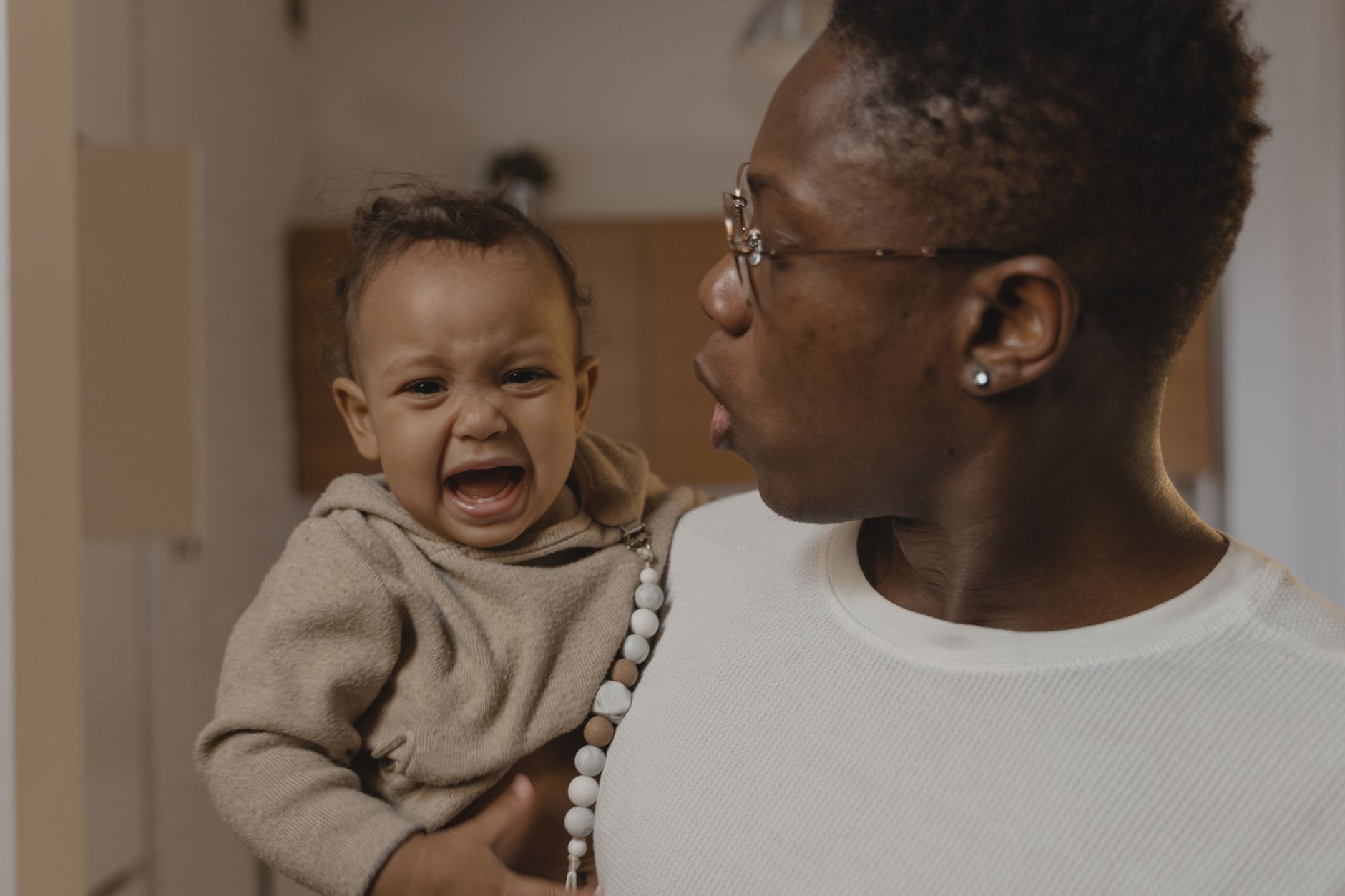
2. The Impact of Developmental Milestones on Sleep
2.1 Understanding Developmental Phases
As babies grow, they go through various developmental milestones that can influence their sleep patterns. These milestones can include physical skills such as crawling or walking, as well as cognitive developments like language acquisition. During these phases, babies may experience increased brain activity and restlessness, making it more challenging for them to settle down for sleep.
Parents should be aware that sleep disruptions often coincide with these milestones. For instance, a baby who is learning to crawl may practice their new skill during nap times, resulting in shorter or more fragmented sleep. Recognizing these patterns can help parents remain patient and supportive during these transitional periods.
2.2 Sleep Regression Phases
Sleep regressions are common occurrences that typically align with developmental milestones. They can happen around 4 months, 8-10 months, and 18 months, characterized by a temporary setback in sleep quality and duration. During these phases, babies may resist naps or wake frequently during the night.
- 4-month regression: This phase often signals a shift in sleep cycles, leading to more wakefulness.
- 8-10 months regression: Babies may become more aware of their surroundings, leading to increased separation anxiety.
- 18-month regression: As toddlers assert independence, they may resist sleep as a form of control.
2.3 Strategies to Support Sleep During Milestones
To help babies navigate sleep disruptions associated with developmental milestones, parents can implement several strategies. Establishing a consistent bedtime routine can signal to the baby that it is time to wind down. Incorporating calming activities such as reading or gentle rocking can also be beneficial.
Additionally, providing a comforting sleep environment is essential. This may include using white noise machines to drown out distracting sounds and ensuring the sleep space is dark and cool. By fostering a supportive atmosphere, parents can help their babies adjust to the changes that come with growth and development.
3. The Influence of Parental Behavior on Baby Sleep
3.1 The Importance of Consistency
Parental behavior significantly influences a baby’s sleep patterns. Consistency in routines and responses to sleep cues can help babies feel secure and understand what to expect. When parents respond promptly to a baby’s cries, it can foster trust and encourage a sense of safety, which is crucial for developing healthy sleep habits.
Establishing a predictable bedtime routine can help signal to the baby that it is time to sleep. This routine may include activities such as a warm bath, reading a story, or gentle lullabies, all of which can help create a calming environment conducive to sleep.
3.2 The Impact of Stress and Anxiety
Parental stress and anxiety can indirectly affect a baby’s sleep. Babies are highly attuned to their caregivers’ emotions, and high levels of parental stress can lead to increased fussiness and difficulty sleeping in infants. It is essential for parents to take care of their mental health and seek support when needed.
- Practice self-care: Parents should prioritize their well-being to maintain a calm environment.
- Seek support: Engaging with family, friends, or support groups can alleviate feelings of isolation.
- Mindfulness techniques: Practices such as meditation or deep breathing can help manage stress levels.
3.3 Avoiding Common Sleep Training Pitfalls
When it comes to sleep training, parents should approach the process with caution. While some methods can be effective, inconsistency in approach can confuse the baby and exacerbate sleep struggles. Parents should select a sleep training method that aligns with their values and adhere to it consistently.
It is also important to be mindful of the baby’s temperament and readiness for sleep training. Some babies may respond well to gentle methods, while others may require a more structured approach. Understanding the individual needs of the baby can lead to more successful outcomes.
4. The Impact of Sleep Associations
Understanding Sleep Associations
Sleep associations are the connections that babies make between certain behaviors or environments and falling asleep. For instance, if a baby is regularly rocked to sleep, they may come to rely on this action as a cue for sleep. This dependence can lead to difficulties when the baby is put down to sleep independently. According to pediatric sleep experts, it’s important for infants to learn to self-soothe and create positive sleep associations.
Common Sleep Associations
Parents often unintentionally create sleep associations that can complicate sleep routines. Some common associations include:
- Being fed to sleep
- Rocking or bouncing
- Using a pacifier
- Sleeping in a specific location, like a parent’s arms
When babies become accustomed to these associations, they may resist sleep when they find themselves in a different environment or situation, leading to sleep struggles.
Strategies to Modify Sleep Associations
To help babies establish healthier sleep habits, parents can gradually transition away from problematic sleep associations. Some effective strategies include:
- Introducing a consistent bedtime routine that signals sleep time without the need for physical assistance
- Encouraging self-soothing techniques, such as gentle patting or shushing
- Gradually reducing the amount of time spent rocking or feeding before sleep
Implementing these strategies can help make the transition to independent sleep smoother for both the baby and the parents.

5. The Role of Daytime Sleep and Activity
The Importance of Daytime Naps
Daytime sleep plays a crucial role in a baby’s overall sleep quality. Babies who do not receive adequate naps during the day may become overtired, making it harder for them to fall asleep at night. According to sleep experts, a well-structured napping schedule can improve nighttime sleep patterns significantly.
Optimal Daytime Activity Levels
Daytime activity levels also affect how easily a baby can transition to sleep. Engaging in stimulating activities during waking hours can help promote more restful sleep when it’s time to wind down. Activities can include:
- Tummy time
- Playing with toys
- Outdoor strolls
By ensuring that babies are adequately stimulated throughout the day, parents can help facilitate better sleep at night.
Recognizing Signs of Overtiredness
Parents should be vigilant about recognizing the signs of overtiredness, which can include fussiness, crying, and difficulty settling down. Establishing a routine can help prevent overtiredness by ensuring that babies are getting the naps they need during the day.
6. The Influence of Sleep Training Techniques
Popular Sleep Training Methods
Sleep training can be a useful method for helping babies learn to fall asleep independently. Various methods exist, each with its own philosophy and approach. Popular techniques include:
- The Ferber method (graduated extinction)
- The Chair method (gradual withdrawal)
- No tears method (gentle sleep training)
It is essential for parents to choose a method that aligns with their parenting style and their baby’s temperament.
Potential Benefits of Sleep Training
When implemented effectively, sleep training can help babies learn to self-soothe and develop a consistent sleep schedule. Research indicates that sleep training can lead to improved nighttime sleep for both babies and parents.
Considerations Before Starting Sleep Training
Before embarking on sleep training, parents should consider the following:
- The baby’s age and developmental readiness
- Family dynamics and support
- Consulting with a pediatrician if there are concerns
Taking these factors into account can help ensure that the approach to sleep training is beneficial for the baby and family as a whole.
Frequently Asked Questions
Do all babies fight sleep?
Not all babies fight sleep, but it is common for many infants to resist sleep at various stages of their development.
How can I tell if my baby is tired?
Signs of a tired baby can include rubbing their eyes, yawning, fussiness, or losing interest in their surroundings.
Is it okay to let my baby cry it out?
Letting a baby cry it out can be a controversial method of sleep training. It is essential to find a method that feels comfortable for both the baby and the parents.
What should I do if my baby wakes up at night?
If a baby wakes up at night, assess their needs (hunger, diaper change, etc.) and comfort them as needed. Gradually help them learn to self-soothe.
The Bottom Line
Understanding the question, “Why do babies fight sleep?” can help parents and caregivers create a nurturing environment for sleep. By recognizing the common reasons for sleep resistance and implementing effective strategies, families can promote healthier sleep patterns. If sleep issues persist, seeking professional guidance can provide additional support and solutions.
Note: This article is for general information only and is not medical advice. See a qualified health professional about your own situation.