
Key Takeaways
- Post-meal sleepiness is a common, often normal reaction to digestion and hormonal shifts after eating.
- Meals high in refined carbohydrates and sugar often trigger stronger feelings of fatigue than balanced meals.
- Large portion sizes and dehydration can exacerbate the natural post-meal dip in energy levels.
- Lifestyle habits like adequate sleep and consistent hydration are key to maintaining alertness after eating.
Why Do I Feel Sleepy After Eating?
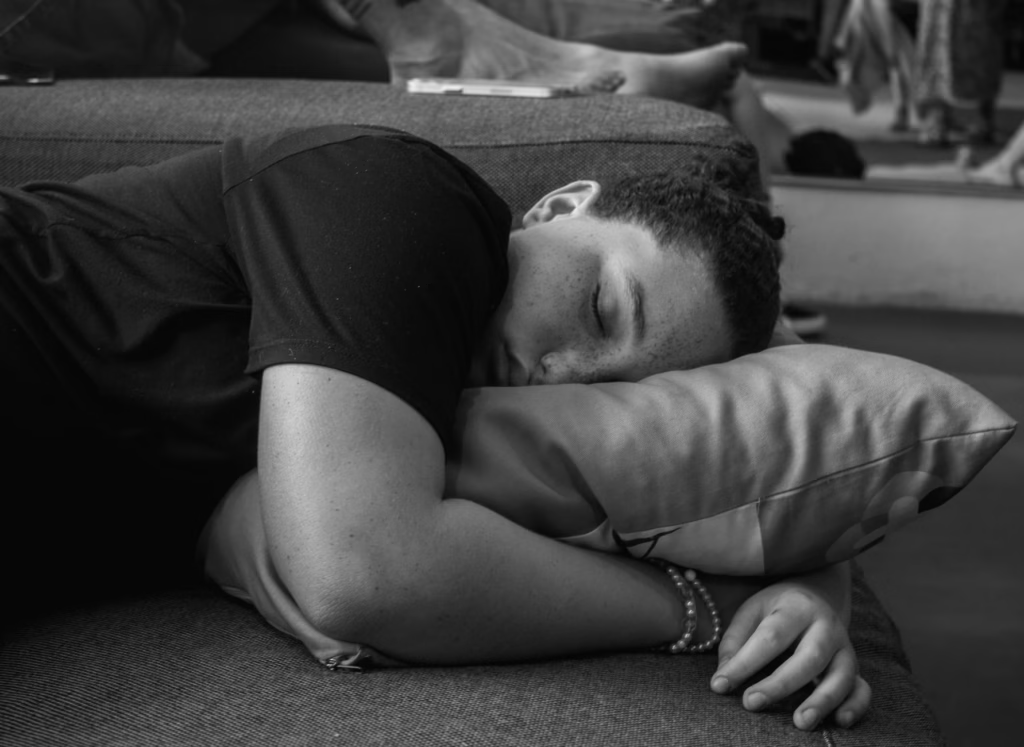
Have you ever enjoyed a delicious meal, only to find yourself fighting off the urge to take a nap soon after? You’re not alone if you’re wondering, “Why do I feel sleepy after eating?” Many people experience this feeling, and it can happen for various reasons. Whether you’ve just eaten a big lunch at work or enjoyed a holiday feast with family, a post-meal slump can leave you confused and wanting to take a snooze.
Understanding why this happens is crucial. Not only does it help alleviate some concerns, but it also opens the door to making some adjustments in our daily habits. In this article, we’ll discuss the reasons behind that sleepy feeling, common causes, and what you can do to help manage it. Let’s dive in!
What Does This Mean?
Feeling sleepy after eating, often referred to as postprandial somnolence, is a common experience. The term “postprandial” simply means after a meal, while “somnolence” refers to drowsiness or sleepiness. In basic terms, it describes that tired feeling many of us get while relaxing on the couch after a big meal. But why does it happen? Well, it can be due to several factors, including the types of foods we eat, how much we eat, and even the body’s natural response to digestion.
Why Does This Happen?
One possible reason you might feel sleepy after eating is the body’s response to digestion. When we consume food, especially larger meals, blood flow increases to the digestive system. This process can divert blood away from other areas, like our brain, making us feel tired.
Another common factor involves the specific foods we eat. Some foods contain certain chemicals or nutrients that can trigger tiredness. For instance, meals high in carbohydrates can increase levels of serotonin and melatonin, hormones that promote sleep. Additionally, large portions can stretch the stomach, signaling our body to start the digestion process and encouraging that sleepy feeling.
In some people, lifestyle habits such as stress, hydration levels, and sleep patterns can also play a role. Research suggests that when we’re underslept or stressed, our ability to remain alert can be hindered, making drowsiness more likely after eating.
Common Causes
Let’s explore some common causes of post-meal sleepiness:
1. Meal Size and Composition
Large meals or those rich in carbohydrates can contribute significantly to drowsiness. The more food you consume, the more energy your body needs to digest it, potentially leading to feelings of fatigue. You might notice that meals consisting of pasta, rice, or bread can result in greater sleepiness than a lighter meal like salad.
2. Insulin Response
When you eat carbs, your body releases insulin to help manage sugar levels in your blood. Insulin can promote the uptake of tryptophan, an amino acid found in foods like turkey and dairy, which is converted to serotonin and melatonin. Both of these hormones can induce feelings of calm and drowsiness. If you’ve ever enjoyed a Thanksgiving turkey, you might relate to that post-meal nap urge!
3. Blood Sugar Fluctuations
After eating, your blood sugar levels rise and then fall as your body digests the food. A rapid decrease in blood sugar can lead to a sense of fatigue. If you find yourself particularly sleepy after meals high in sugar or refined carbohydrates, this could be a contributing factor.
4. Dehydration
Sometimes we forget the importance of hydration. Inadequate water intake before or during meals can exacerbate feelings of tiredness. Water is essential for digestion; without enough of it, you may feel more sluggish or tired.

5. Lifestyle Factors
Chronic stress or lack of sleep also play roles. When you’re tired or stressed, your body does not perform optimally, and even normal meals can make you feel more fatigued than usual. Listening to your body and addressing these lifestyle factors can be key.
Signs and Symptoms to Watch For
Common symptoms accompanying post-meal sleepiness include:
- Fatigue or drowsiness
- A feeling of heaviness in the limbs
- A desire to nap
These symptoms are usually normal, but persistent or severe tiredness after eating may require attention. If this happens regularly and affects your day-to-day life, it may be a good idea to check in with a healthcare professional.
What Can Make It Worse?
Several lifestyle factors can worsen feelings of sleepiness after eating, including:
- Poor Sleep: Not getting enough rest can make you more susceptible to fatigue, especially after larger meals.
- Poor Hydration: Dehydration can contribute to feelings of tiredness, even if you don’t realize it.
- High-Stress Levels: Stress can affect your body’s functioning, making it harder to stay alert after meals.
- High Alcohol Consumption: If you enjoy a drink with your meals, it can enhance feelings of drowsiness.
Foods and Drinks Related to the Topic
The foods you eat can significantly impact feelings of sleepiness after a meal. Here are some insights:
- High-Carbohydrate Foods: Pastas, breads, and pastries can lead to increased drowsiness.
- Rich or Heavy Meals: Foods high in fat, like fried foods or creamy sauces, may cause feelings of heaviness and fatigue.
- Balanced Meals: Meals consisting of lean proteins, vegetables, and whole grains may help prevent post-meal drowsiness.
Keep in mind that everyone’s body reacts differently to various foods. What makes one person sleepy may not have the same effect on another.
What Can We Do?
Here are some practical steps that might help manage post-meal sleepiness:
- Eat Smaller Portions: Smaller, more frequent meals can help prevent overloading your digestive system and reduce fatigue.
- Choose Balanced Meals: Include a mix of proteins, healthy fats, and carbs in your meals to promote steady energy levels.
- Stay Hydrated: Aim for adequate water intake throughout the day to support digestion and overall energy.
- Get Enough Sleep: Prioritize good sleep habits to help your body stay alert throughout the day.
When Should You See a Doctor?
If you notice any of the following symptoms, it might be time to consult a healthcare professional:
- Severe or persistent fatigue after meals
- Unexpected weight gain or loss
- Severe abdominal pain during or after eating
- Changes in appetite or unusual cravings
While feeling sleepy post-meal is normal, speaking with a doctor about concerning symptoms is always a good strategy.
Frequently Asked Questions
Why am I always sleepy after eating?
If you find that you’re frequently sleepy after meals, it may be linked to your diet, meal size, hydration levels, or lifestyle factors like sleep deprivation.
Can food cause sleepiness?
Yes, the types of food you consume, especially those high in carbs and sugars, can lead to increased drowsiness due to your body’s insulin response.
When should I worry about feeling sleepy after meals?
If you experience severe tiredness consistently, or if it interferes with your daily life, consider consulting a healthcare professional.
How can I avoid feeling sleepy after eating?
To minimize drowsiness, try eating smaller portions, staying hydrated, and opting for balanced meals that include proteins and healthy fats.
Are there specific foods that make me more tired?
Foods high in carbohydrates and sugars, like white bread and sweets, can heighten feelings of sleepiness due to rapid changes in blood sugar levels.
Does hydration affect post-meal sleepiness?
Yes, proper hydration supports digestion and helps maintain your energy levels, while dehydration can lead to increased fatigue.
Can stress make me feel more tired after meals?
Absolutely! High stress can interfere with your energy levels and can exacerbate feelings of tiredness after you eat.
What role does sleep play in post-meal sleepiness?
Getting enough restful sleep is essential for maintaining energy and alertness throughout the day, impacting how you feel after meals.
What the Research Says About Why Do I Feel Sleepy After Eating?
Research indicates that postprandial fatigue is linked to various factors including meal composition, insulin response, and individual metabolism. Studies have shown that meals high in refined carbohydrates lead to more fatigue than those rich in protein and healthy fats. According to peer-reviewed research in *Nutrients*, enjoying balanced meals can help regulate blood sugar levels, potentially minimizing feelings of sleepiness after eating.
Moreover, the *American Journal of Clinical Nutrition* highlights the importance of hydration and sleep quality in maintaining overall energy levels. Ensuring you’re well-rested and hydrated can contribute to less fatigue after meals.
Simple Daily Habits That May Support Better Health
Incorporating a few everyday habits can promote overall well-being and reduce feelings of sleepiness after meals:
- Regular Exercise: Engaging in physical activity helps boost energy levels and improves overall health.
- Mindful Eating: Pay attention to hunger cues, eat slowly, and enjoy your meals without distraction.
- Maintain a Consistent Sleep Schedule: Going to bed and waking up at the same time each day can help regulate your body’s internal clock.
Final Thoughts
We often experience sleepiness after a meal, which is completely normal! Understanding why this happens can help us make adjustments to our eating habits and lifestyle. Depending on meal size, food choices, hydration, and stress levels, there are many factors at play. If you notice persistent fatigue or other concerning symptoms, we encourage you to speak with a healthcare professional for guidance.

Ultimately, making small, manageable changes to how we approach our meals, sleep, and hydration can lead to a more energized and balanced lifestyle.
Sources and References
NIH: Why do I feel sleepy after eating? Retrieved from https://www.nih.gov
Mayo Clinic: Postprandial somnolence: What to know. Retrieved from https://www.mayoclinic.org
Cleveland Clinic: Sleepy after eating? What can cause it? Retrieved from https://www.clevelandclinic.org
NIDDK: Nutrition and your health: A guide to good eating. Retrieved from https://www.niddk.nih.gov
Harvard T.H. Chan School of Public Health: The nutrition source: Carbohydrates. Retrieved from https://www.hsph.harvard.edu
Medical Disclaimer
This article is for general educational and informational purposes only. It is not intended to provide medical advice, diagnosis, or treatment. Health conditions can affect people differently, and information that is appropriate for one person may not be appropriate for another. If you have persistent, severe, or concerning symptoms, speak with a qualified healthcare professional for personalized advice.
Further Reading
Ivf Shot Schedule: 10 Things You Should Know
Omeprazole and Alcohol: Is It Safe to Mix?
what does a growth spurt in pregnancy feel like
Photo by https://kaboompics.com/ on Pexels.
Frequently Asked Questions
Does caffeine help prevent post-meal sleepiness?
While caffeine can provide a temporary alertness boost, it is not a long-term solution for post-meal fatigue. Relying on caffeine may also interfere with your nighttime sleep, potentially making you more tired the following day.
Can eating too fast make me sleepier?
Yes, eating too quickly can lead to consuming larger portions before your body sends satiety signals to the brain. This overeating puts extra strain on your digestive system, which can contribute to a more pronounced feeling of sluggishness.
Are there medical conditions associated with extreme post-meal fatigue?
Severe sleepiness after eating can sometimes be related to underlying conditions like reactive hypoglycemia or insulin resistance. If you suspect your tiredness is abnormal, a doctor can perform tests to rule out these health issues.
Should I avoid eating carbohydrates entirely to prevent sleepiness?
You do not need to avoid carbohydrates, as they are a vital energy source. Instead, focus on choosing complex carbohydrates like whole grains, which digest more slowly and cause less dramatic spikes in your blood sugar.
The Bottom Line
Feeling sleepy after a large meal is a natural response that most of us experience from time to time. By opting for balanced, smaller portions and staying hydrated, you can often manage these energy dips effectively. If you notice that this fatigue becomes persistent or interferes with your daily life, please reach out to a healthcare provider to explore potential underlying causes.