Key Takeaways
- Knee popping can be caused by various factors, including gas bubbles and ligament movement.
- Most knee popping is harmless, but persistent symptoms may indicate injury.
- Consult a healthcare professional for an accurate diagnosis and personalized treatment.
- Strengthening exercises can help stabilize the knee joint.
Understanding Knee Popping
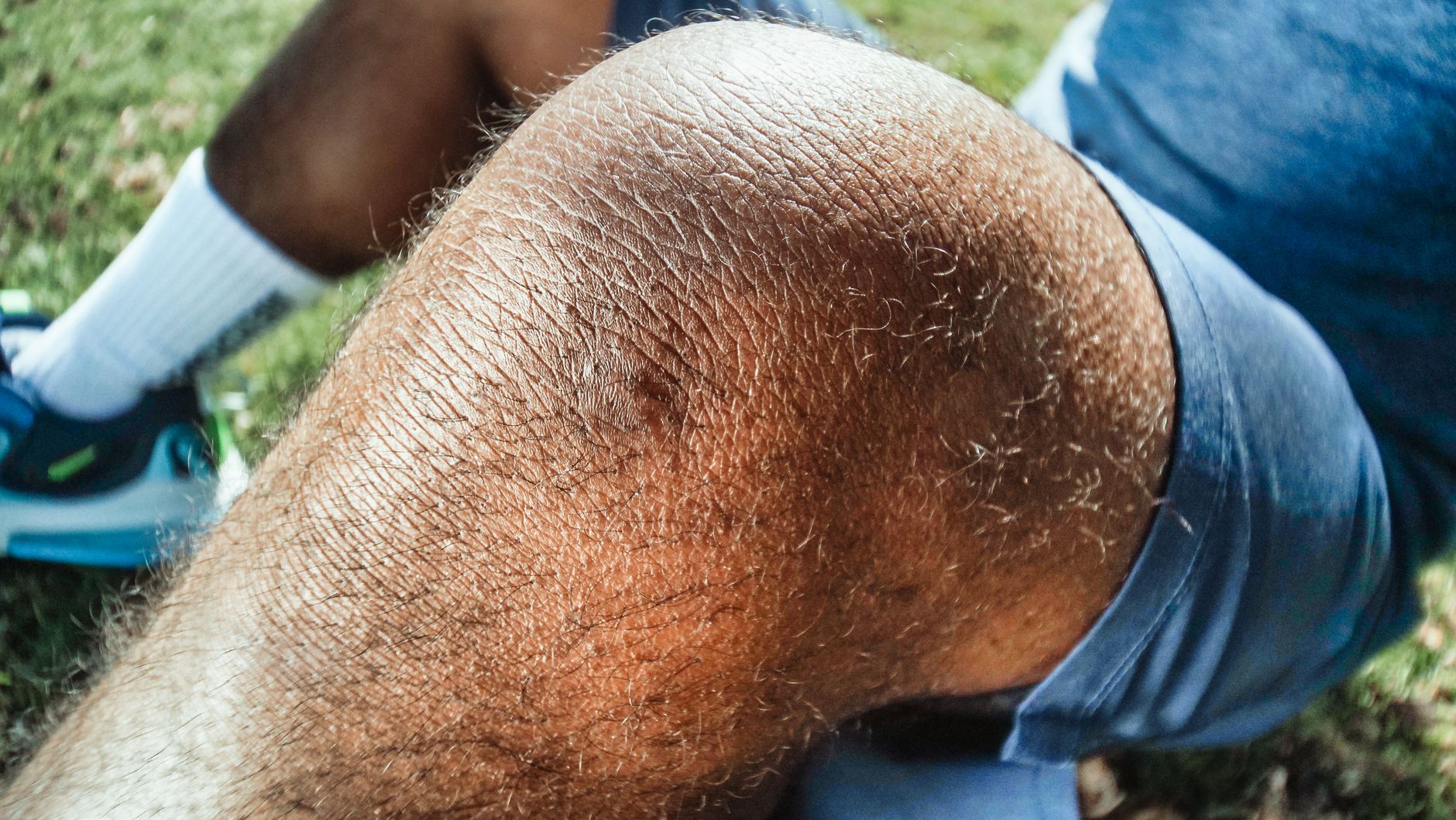
When you bend or straighten your leg, do you often hear a popping sound from your knee? If so, you’re not alone. Many people wonder, “Why does my knee keep popping?” This phenomenon can happen for various reasons, some benign and others that may require attention.
The knee is a complex joint that consists of bones, cartilage, ligaments, and tendons. Each of these components contributes to the knee’s stability and movement. When these parts interact in a certain way, they can produce sounds, like popping or cracking. Understanding the root cause of this noise can help you determine whether it’s a cause for concern.
In this article, we will explore the reasons behind knee popping, the potential underlying issues, and when to seek medical advice. We aim to provide a comprehensive guide so you can better understand your knee health.
Common Causes of Knee Popping
Knee popping can stem from several common causes. Below are some of the primary reasons that might explain this phenomenon:
- Gas Bubbles: The most benign cause of knee popping is the formation of gas bubbles in the synovial fluid of the joint. When you move your knee, these bubbles can burst, causing a popping sound.
- Ligament Movement: Ligaments can sometimes snap over bony structures as the knee moves. This can create a popping or clicking sound, often occurring without pain.
- Cartilage Wear: As we age, the cartilage that cushions our joints can wear down. This wear and tear can lead to sounds during movement, and it may be accompanied by stiffness or pain.
Other Potential Causes
While the above causes are generally harmless, there are other factors that could be more serious:
- Meniscus Tear: The meniscus is cartilage that acts as a cushion between your thigh bone and shin bone. A tear can cause popping, along with swelling and pain.
- Patellar Tracking Disorder: This condition occurs when the kneecap does not move smoothly in its groove, causing it to pop or click during movement.
- Ligament Injuries: Injuries to ligaments, such as the anterior cruciate ligament (ACL), can lead to painful popping sounds that require medical attention.

When is Knee Popping a Concern?
Knee popping is often harmless, especially if there is no accompanying pain or swelling. However, there are specific signs that indicate it might be time to consult a healthcare professional:
- Persistent Pain: If you experience consistent pain along with the popping sound, it may indicate a more serious issue.
- Swelling: Swelling around the knee joint can suggest inflammation or injury, warranting a medical evaluation.
- Instability: If your knee feels unstable or gives way during activity, this could point to ligament damage or other serious issues.
Assessment by a Healthcare Professional
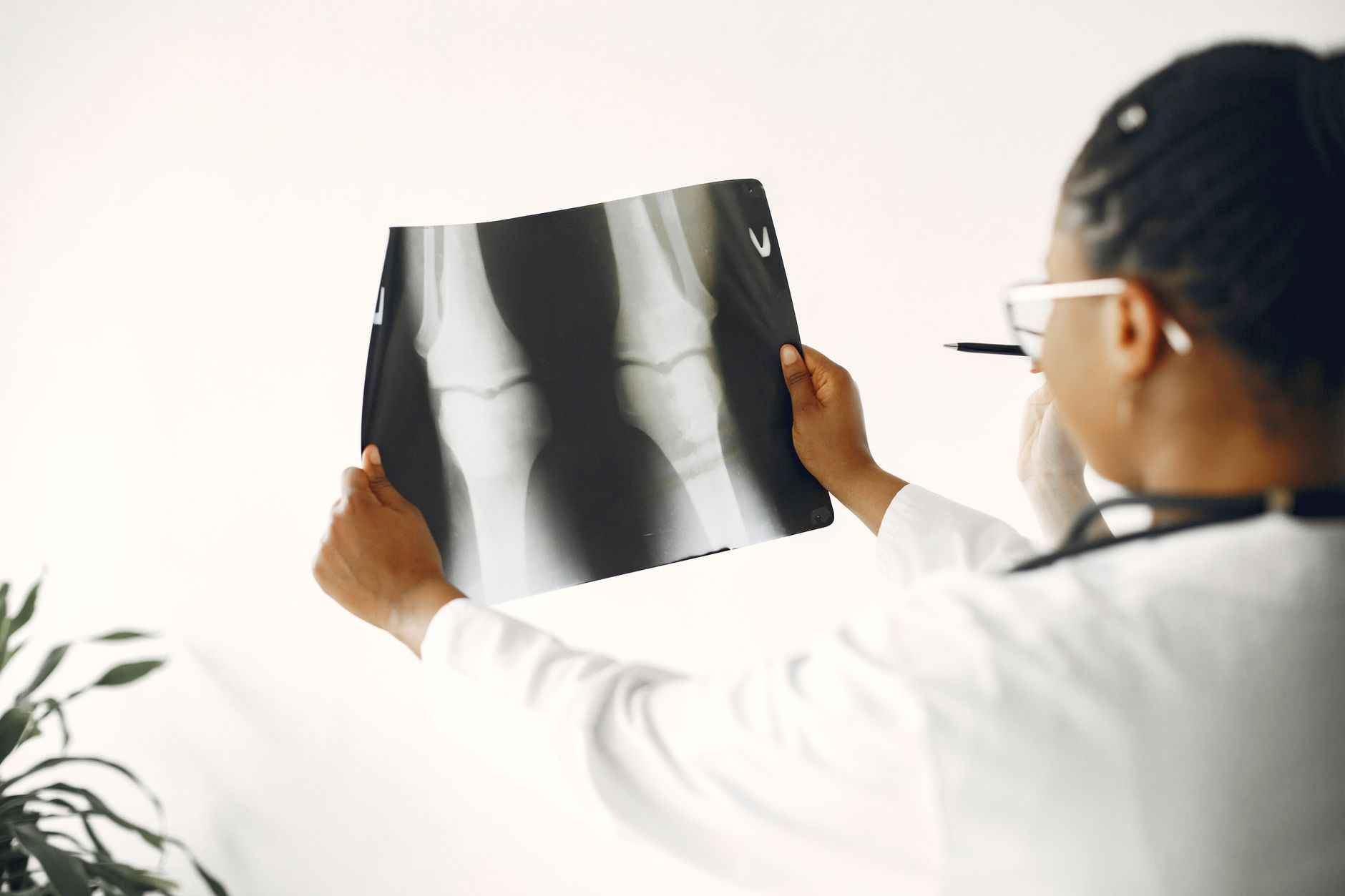
If you’re concerned about your knee popping, a healthcare provider can help assess the situation. They may perform a physical examination, ask about your medical history, and may recommend imaging tests such as X-rays or MRIs to get a clearer picture of your knee’s condition.
It’s important to be honest about your symptoms and any activities that may exacerbate the popping. This information will help your healthcare provider determine the best course of action.
How to Manage Knee Popping
If your knee popping is not associated with pain or other concerning symptoms, management may include some simple self-care strategies:
- Rest: If your knee feels sore or swollen, give it some time to rest. Avoid activities that put strain on the knee.
- Ice Therapy: Applying ice to the knee can help reduce swelling and relieve discomfort. Use an ice pack for 15-20 minutes at a time.
- Compression: Using a knee brace or wrap can provide support and help reduce swelling.
Exercises to Strengthen the Knee
Strengthening the muscles around the knee can provide additional support and stability. Here are some exercises that may help:
- Quadriceps Strengthening: Straight leg raises can help strengthen the quadriceps muscles in the front of your thigh.
- Hamstring Strengthening: Lying hamstring curls can strengthen the muscles at the back of your thigh.
- Balance Exercises: Simple balance exercises can enhance stability around the knee joint.
Preventing Knee Popping
While not all knee popping can be prevented, there are some proactive measures you can take to maintain knee health:
- Warm-Up: Always warm up before exercising to prepare your muscles and joints for activity.
- Maintain a Healthy Weight: Excess weight can put additional stress on your knees, leading to increased wear and tear.
- Use Proper Techniques: Whether running, jumping, or playing sports, using correct techniques can minimize joint stress and impacts.
Choosing the Right Footwear
Wearing supportive shoes can significantly impact your knee health. Choose shoes that provide adequate cushioning and support, especially if you engage in high-impact activities.
Biomechanics of the Knee Joint
The knee joint is a complex structure that relies on the coordinated action of bones, cartilage, ligaments, and muscles. Understanding the biomechanics involved can provide insight into why you might experience popping sounds. Various components in the knee work together to facilitate movement, and any changes or abnormalities can lead to audible sounds.
Anatomy of the Knee Joint
The knee consists of the femur (thigh bone), tibia (shin bone), and patella (kneecap). These bones are held together by ligaments, which provide stability while allowing for movement. The cartilage acts as a cushion to absorb shock and reduce friction during activities like walking, running, and jumping. A detailed understanding of each component helps clarify why popping noises may occur.
- Femur: The upper bone of the knee, providing the structure.
- Tibia: The lower bone that supports weight and movement.
- Patella: The kneecap that protects the knee joint.
- Ligaments: Connective tissues that stabilize the knee.
- Cartilage: Smooth tissue that cushions and reduces friction.
Movement Mechanics
The knee joint allows for flexion and extension, essential for activities like walking and climbing stairs. As the knee moves, the alignment of the bones changes. If there is an imbalance or tightness in the surrounding muscles, it might cause the knee to shift slightly, leading to popping sounds. This phenomenon can be exacerbated by repetitive activities or improper biomechanics during physical activities.
Additionally, the role of synovial fluid, which lubricates the joint, can’t be overlooked. Changes in the viscosity of this fluid or the presence of air bubbles can also contribute to the popping sounds.
Common Myths about Knee Popping
Misinformation often surrounds the phenomenon of knee popping. Some individuals believe that these sounds are inherently harmful or indicative of severe injury. However, understanding the truth behind these myths can alleviate concerns and promote better knee health.
- Myth 1: Knee popping always indicates injury.
- Myth 2: Popping sounds will worsen with age.
- Myth 3: Cracking your knuckles contributes to joint damage.
Impact of Lifestyle on Knee Health
Lifestyle choices significantly affect knee health and can play a role in the frequency and severity of popping sounds. Factors such as exercise habits, weight management, and nutrition all contribute to the overall function of the knee joint.
Exercise and Physical Activity
Regular physical activity is crucial for maintaining knee health. However, the type of exercise performed can influence knee function. Low-impact activities like swimming or cycling tend to be gentler on the knees compared to high-impact sports like running or basketball. Understanding which exercises promote knee stability and strength without overstraining the joint is essential.
Incorporating strength training can also be beneficial. Focusing on the quadriceps, hamstrings, and calf muscles helps stabilize the knee and can reduce the occurrence of popping sounds.
- Recommended Low-Impact Activities:
- Swimming
- Cycling
- Yoga
- Elliptical machine workouts
- Strength Training Focus:
- Quadriceps exercises (e.g., squats)
- Hamstring curls
- Calf raises
Weight Management
Excess weight can place additional strain on the knee joint, potentially exacerbating popping sounds. Maintaining a healthy weight through diet and exercise can alleviate undue stress on the knee, promoting better function and reducing the risk of injury. A balanced diet rich in anti-inflammatory foods, such as fruits, vegetables, whole grains, and healthy fats, can support joint health.
Some studies suggest that even modest weight loss can significantly improve knee function in overweight individuals, leading to decreased pain and popping sounds.
Nutrition’s Role in Joint Health
What you eat can influence the health of your joints and overall knee function. Nutrients like omega-3 fatty acids, vitamin D, and calcium are essential for maintaining healthy cartilage and reducing inflammation. Incorporating foods that provide these nutrients can help mitigate issues related to knee popping.
- Foods Rich in Omega-3s:
- Fatty fish (e.g., salmon, mackerel)
- Chia seeds
- Walnuts
- Vitamin D Sources:
- Fortified dairy products
- Egg yolks
- Sun exposure
- Calcium-Rich Foods:
- Leafy greens (e.g., kale, broccoli)
- Dairy products (e.g., milk, cheese)
- Tofu
Diagnostic Approaches for Knee Popping
If knee popping persists or is accompanied by pain, a thorough evaluation by a healthcare professional may be necessary. Understanding the diagnostic approaches can help identify underlying issues that may require intervention.
Physical Examination
A healthcare provider will typically begin with a physical examination, which includes assessing the range of motion and stability of the knee joint. During this examination, they may also listen for sounds while moving the knee, helping to determine the nature of the popping. This examination can reveal if there’s any swelling or tenderness present, which may indicate underlying issues.
Physical tests may include:
- Valgus Stress Test: Evaluates the stability of the knee ligaments.
- Range of Motion Assessment: Checks for flexibility and joint function.
Imaging Studies
If further investigation is warranted, imaging studies may be ordered. Common imaging techniques include X-rays, MRI scans, and CT scans. These tools help visualize the internal structures of the knee, allowing for a clearer understanding of any potential damage to bones, cartilage, or ligaments.
- X-Rays: Useful for identifying bone fractures or alignment issues.
- MRI: Provides detailed images of soft tissues, including cartilage and ligaments.
- CT Scans: Offers comprehensive images that combine both bone and soft tissue evaluation.
Referral to Specialists
In some cases, a referral to a specialist, such as an orthopedic surgeon or sports medicine physician, may be necessary. These professionals can provide more advanced diagnostic techniques and treatment options tailored to the specific needs of the patient. They may also recommend physical therapy or other interventions based on the findings from the examination and imaging studies.
Being proactive about knee health allows individuals to address issues like knee popping effectively. Understanding the underlying mechanics, lifestyle impact, and diagnostic processes can empower individuals to take charge of their joint health.
Understanding the Role of Ligaments in Knee Popping
What Are Ligaments?
Ligaments are strong, fibrous tissues that connect bones to each other in a joint. In the knee, the four primary ligaments, the anterior cruciate ligament (ACL), posterior cruciate ligament (PCL), medial collateral ligament (MCL), and lateral collateral ligament (LCL), play essential roles in stabilizing the joint. Damage or laxity in these ligaments can lead to abnormal movement patterns, which may contribute to popping sounds during knee movement.
How Ligament Injuries Cause Popping Sounds
When a ligament is injured or stretched, it can alter the normal function of the knee joint. This can lead to a phenomenon known as ‘joint crepitus,’ where gas bubbles in the synovial fluid collapse or when ligaments snap over bony structures, causing a popping sound. Ligament injuries often occur during sports or physical activities, and they can be accompanied by other symptoms such as swelling and instability.
Signs of Ligament Issues
Recognizing the signs of potential ligament issues is crucial. Key indicators include:
- Popping or clicking sounds during movement
- Swelling around the knee
- A feeling of instability or “giving way”
- Pain during specific movements
If these symptoms persist, consulting a healthcare professional is recommended.

Impact of Age on Knee Mechanics
Changes in Joint Structure with Aging
As we age, the cartilage in our joints tends to wear down, which can contribute to changes in knee mechanics. The loss of cartilage can lead to increased friction between the bones, resulting in sounds such as popping when the knee is moved. Additionally, the synovial fluid that lubricates the joint may decrease, further affecting joint function.
The Role of Osteoarthritis
Osteoarthritis is a degenerative joint disease that becomes more prevalent with age. It is characterized by the breakdown of cartilage and can lead to symptoms such as knee popping. The rough surfaces of the joint may create noise during movement and can also lead to stiffness and pain, further complicating mobility.
Maintaining Healthy Knees as You Age
To help maintain knee health as you age, consider the following:
- Engage in low-impact exercises like swimming or cycling
- Maintain a healthy weight to reduce stress on joints
- Incorporate strength training to support surrounding muscles
- Stay hydrated to maintain joint lubrication
Alternative Therapies for Knee Health
Physical Therapy Techniques
Physical therapy can be beneficial for addressing knee popping and related issues. Therapists may employ manual therapy techniques, stretching exercises, and strengthening programs tailored to individual needs. These interventions aim to improve flexibility and stability in the knee joint, potentially reducing popping sounds.
Complementary Approaches
In addition to traditional therapies, some individuals may find relief through complementary approaches such as acupuncture or massage therapy. These modalities can help alleviate tension in muscles surrounding the knee and improve overall joint function.
Supplements and Nutrition
Dietary choices can also impact knee health. Nutrients that support joint health include:
- Omega-3 fatty acids (found in fish and flaxseed)
- Glucosamine and chondroitin sulfate (available in supplement form)
- Vitamin D and calcium (for bone health)
- Antioxidant-rich foods (such as fruits and vegetables)
Incorporating these into your diet may help improve joint function and reduce discomfort.
Frequently Asked Questions
Can knee popping be a sign of arthritis?
Yes, knee popping can be associated with arthritis, particularly if it is accompanied by pain and stiffness. If you’re concerned about arthritis, consult a healthcare professional for an evaluation.
Is knee popping common in athletes?
Knee popping is quite common among athletes, especially those involved in high-impact sports. Most of the time, it is harmless, but any persistent symptoms should be addressed.
What should I do if my knee starts to swell after popping?
If your knee swells after popping, it is advisable to rest, ice, and elevate the knee. If the swelling persists or is accompanied by pain, seek medical attention.
Are there any home remedies for knee popping?
Home remedies for knee popping include rest, ice therapy, gentle stretching, and strengthening exercises. However, if symptoms persist, it is important to consult a healthcare provider.
The Bottom Line
Knee popping can occur for various reasons, most of which are harmless. Understanding the underlying causes and recognizing when to seek medical attention is crucial for maintaining knee health. If you experience persistent pain, swelling, or instability, consult a healthcare professional for appropriate diagnosis and treatment.
Note: This article is for general information only and is not medical advice. See a qualified health professional about your own situation.