
Key Takeaways
- Stretching improves blood flow and flexibility.
- Endorphins released during stretching enhance mood.
- Regular stretching can reduce muscle tension and stress.
- Developing a stretching routine can improve overall well-being.
Have you ever wondered, why does stretching feel good? For many, the sensation of stretching is not just a physical release but an emotional one as well. Stretching offers a range of benefits that can elevate our mood and well-being. From alleviating tension to promoting relaxation, understanding the reasons behind this pleasurable experience can help us incorporate stretching into our daily routines.
This article will explore the physiological and psychological reasons why stretching feels good, as well as practical tips on how to stretch effectively. Whether you’re an athlete, a desk worker, or someone simply looking to improve their wellness, stretching can be a beneficial addition to your life.
As we go through life, our muscles can become tight and stressed due to various factors such as prolonged sitting, physical activities, or stress. Stretching can counteract these effects, providing relief and contributing to a feeling of overall well-being.
Understanding the Physiology of Stretching
To grasp why stretching feels good, we need to look at the physiological processes involved. Stretching affects our muscles, joints, and even our nervous system.
When you stretch, several things happen in your body:
- Muscle fiber elongation: Stretching causes muscle fibers to elongate, which can alleviate tightness and discomfort.
- Increased blood flow: Stretching promotes circulation, which brings oxygen and nutrients to the muscles, helping them recover and function better.
- Activation of proprioceptors: These sensory receptors in your muscles and tendons inform your brain about body position, leading to a feeling of enhanced body awareness.
The Role of Endorphins
One significant contributor to the pleasurable sensation of stretching is the release of endorphins. Endorphins are neurotransmitters that act as natural painkillers and mood enhancers.
During stretching, your body may trigger the release of these chemicals, which can lead to a feeling of euphoria. This is often referred to as the “runner’s high,” but it can also occur during stretching and other physical activities.
Reducing Muscle Tension and Preventing Injury
Stretching helps to reduce muscle tension, which can lead to a feeling of relaxation. When muscles are tight, they can cause discomfort and restrict movement. By stretching, you can counteract this tightness, making it easier to perform daily activities.
Furthermore, regular stretching can help prevent injuries by preparing your muscles for exercise and improving flexibility. Greater flexibility can lead to a wider range of motion, which is essential for performing various physical activities safely and effectively.
Stretching Techniques to Enhance the Experience
Differentiating between various stretching techniques can enhance your experience. Here are some common methods:
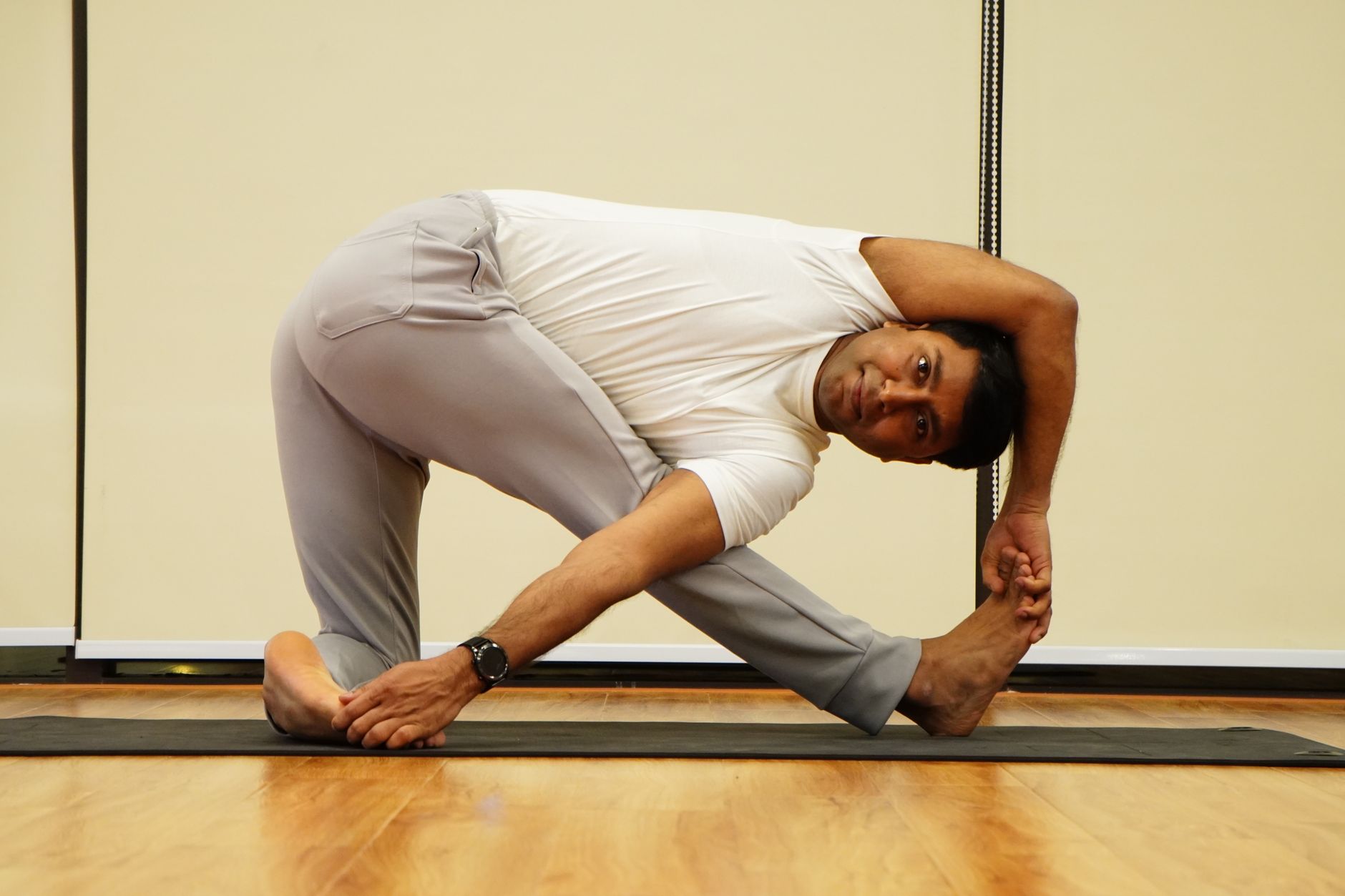
- Static Stretching: Holding a stretch in a position for a period, usually 15-60 seconds. This method is effective for improving flexibility.
- Dynamic Stretching: Involves movement, such as leg swings or arm circles, to prepare your body for activity. This type can be beneficial before workouts.
- PNF Stretching: Proprioceptive Neuromuscular Facilitation combines stretching and contracting the muscle group being targeted. This is often done with a partner.
The Psychological Benefits of Stretching
Stretching is not just a physical activity; it also has significant psychological benefits. Engaging in stretching can positively affect your mental state, making you feel better overall.
Many people report feeling more relaxed and less stressed after stretching, and this can be attributed to several factors:
- Mindfulness: Stretching encourages you to focus on your body and your breath, promoting a sense of mindfulness. This can lead to reduced anxiety and improved mental clarity.
- Routine and Ritual: Incorporating stretching into your daily routine can create a sense of structure and stability, which can alleviate feelings of chaos or stress.
- Enhanced Mood: As mentioned earlier, the release of endorphins during stretching can improve mood, leading to feelings of happiness and relaxation.
Stretching as a Stress-Relief Technique
Stretching can be an effective tool for stress relief. By focusing on your breath and the sensations in your muscles, you can divert your attention away from daily stressors.
Engaging in deep breathing while you stretch can amplify this effect. Deep breathing helps lower cortisol levels, the hormone associated with stress, and promotes a sense of calm.
Stretching in Different Settings
Stretching can be integrated into various settings and routines:
- At Work: Taking short stretching breaks during the day can help relieve tension from prolonged sitting and increase productivity.
- Before and After Exercise: Stretching before a workout prepares your muscles, while post-exercise stretching aids in recovery.
- At Home: Incorporating stretching into your relaxation routine, such as before bedtime, can help improve sleep quality.
Common Stretching Myths Debunked
Despite the numerous benefits of stretching, several myths surround the practice that can deter people from incorporating it into their routines. Let’s debunk some common misconceptions:
- Myth 1: Stretching is only for athletes. Stretching is beneficial for everyone, regardless of fitness level. It can improve flexibility and reduce tension for all.
- Myth 2: Stretching prevents injuries completely. While stretching can reduce the risk of injuries, it is not a foolproof prevention method. Proper technique and conditioning are equally important.
- Myth 3: You should never stretch a cold muscle. While it’s best to warm up before stretching, gentle stretching can still be beneficial in some situations.
Tips for Effective Stretching
To maximize the benefits of stretching, consider the following tips:
- Warm Up: Always warm up before stretching to prepare your muscles and reduce the risk of injury.
- Listen to Your Body: Stretch to a point of mild discomfort, but never push through pain.
- Stay Consistent: Make stretching a regular part of your routine for the best results.
The Role of Stretching in Injury Prevention
Understanding Muscle and Joint Mechanics
Stretching plays a vital role in maintaining the health of your muscles and joints. Proper stretching can enhance flexibility, which directly influences how joints move. When muscles are tight, they can restrict the range of motion, leading to potential injuries during physical activities. Stretching helps to elongate the muscle fibers and improve their elasticity, thereby promoting better movement mechanics.
Moreover, stretching can improve joint function by allowing for better synovial fluid distribution. This fluid lubricates the joints, reducing friction and wear during movement. Ensuring that the surrounding muscles are flexible can alleviate undue stress on joints, making injuries less likely.
- Improved flexibility
- Enhanced joint lubrication
- Reduced risk of strains and sprains
Pre-Stretching Warm-Up Techniques
Engaging in a proper warm-up is essential before undertaking any stretching routine. A warm-up increases blood flow to the muscles and raises their temperature, making them more pliable, which can enhance the effectiveness of stretching. Dynamic warm-ups, which include movements like arm circles, leg swings, or light jogging, can prepare the muscles for the more intense static stretches that follow.
Incorporating a variety of warm-up techniques not only prepares the muscles but also activates the nervous system, improving overall performance. A well-rounded warm-up can also help to mentally prepare individuals for the activity ahead, increasing focus and readiness.
- Dynamic stretches (e.g., high knees, butt kicks)
- Mobility exercises (e.g., hip circles, torso twists)
- Light aerobic activities (e.g., brisk walking, cycling)
Stretching as a Rehabilitation Tool
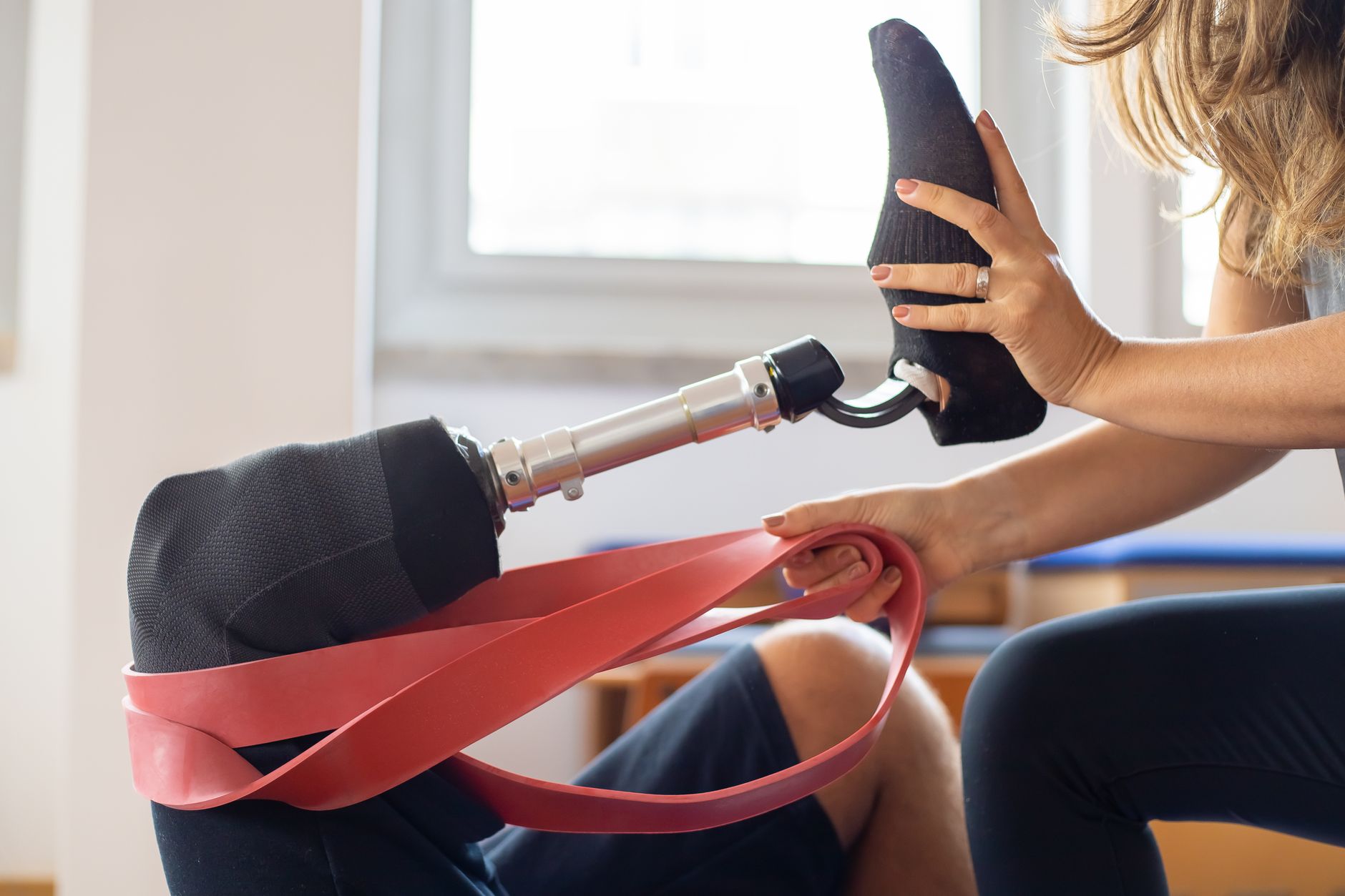
Incorporating stretching into rehabilitation programs can significantly aid recovery from injuries. Physiotherapists often recommend targeted stretches to help regain lost mobility and strength. For instance, following a muscle strain, specific stretching exercises can promote healing by increasing blood flow to the affected area and reducing scar tissue formation.
Additionally, stretching can help alleviate muscle imbalances that often result from compensatory movement patterns post-injury. By restoring normal length-tension relationships within the muscles, individuals can return to their pre-injury function more effectively.
- Targeted stretches for injured areas
- Gradual progression from passive to active stretching
- Integration of strength training with stretching
The Impact of Stretching on Posture and Alignment
The Connection Between Tight Muscles and Poor Posture
One of the often-overlooked aspects of stretching is its role in improving posture. Tight muscles can lead to misalignments in the body, contributing to poor posture and discomfort. For example, tight hip flexors can pull the pelvis forward, leading to an exaggerated lumbar curve and potential back pain. Regular stretching of these muscle groups can help to realign the pelvis and improve overall body posture.
Moreover, muscle tightness in the upper body can lead to rounded shoulders and forward head posture. Stretching the chest and shoulder muscles can counteract these effects, promoting a more upright and healthy alignment. This aspect of stretching is particularly important for individuals who spend long hours sitting at desks.
- Stretching hip flexors to correct pelvic tilt
- Opening the chest to improve shoulder alignment
- Targeting the back muscles to enhance spinal alignment
Integrating Stretching into Daily Routines
Making stretching a regular part of daily activities can contribute to better posture and body alignment. Simple routines can be incorporated into work breaks, morning rituals, or even while watching television. For example, performing a series of neck and shoulder stretches during a break can alleviate tension that builds up from prolonged sitting.
Additionally, utilizing reminders or apps that prompt users to stretch can significantly improve adherence and consistency. Incorporating stretching into daily habits not only promotes physical benefits but can also serve as a mental reset during busy days.
- Stretching during work breaks
- Morning and evening routines
- Using apps for guided stretching sessions
Benefits of Stretching for Older Adults
As individuals age, maintaining flexibility becomes increasingly important for overall health and mobility. Stretching can play a critical role in preserving joint range of motion and preventing age-related stiffness. For older adults, regular stretching can improve balance and coordination, which are crucial for preventing falls.
Furthermore, stretching can enhance circulation and promote relaxation, aiding in better sleep quality. Gentle, regular stretching routines can be tailored to meet the needs of older adults, focusing on major muscle groups and ensuring safety.
- Increased flexibility and mobility
- Enhanced balance and coordination
- Improved circulation and relaxation
The Psychological Effects of Stretching in Different Contexts
Stretching in Athletic Performance
For athletes, stretching is not just about physical benefits; it plays a significant role in mental preparedness. Engaging in a stretching routine can help athletes focus their minds and prepare for competition. The repetitive motions of stretching can serve as a form of meditation, helping to calm nerves and enhance concentration.
Additionally, the act of stretching can create a sense of ritual, which can be psychologically reassuring before competitions. This mental aspect can contribute to improved performance, as athletes feel more in control and prepared.
- Focus and concentration enhancement
- Ritualistic aspects of pre-performance stretching
- Calming effects on anxiety and nerves
Stretching for Stress Relief
Stretching can be an effective strategy for managing stress and anxiety. The physical act of stretching releases tension stored in the muscles, which can have a calming effect on the mind. Furthermore, incorporating deep breathing techniques during stretching can enhance relaxation and mindfulness, promoting a sense of well-being.
Practicing stretching in a quiet environment can create a sanctuary away from daily stressors, allowing individuals to reconnect with their bodies. This practice can also help to foster a more positive body image and self-acceptance, contributing to overall mental health.
- Physical release of muscle tension
- Deep breathing integration for relaxation
- Creating a calming environment for practice
Stretching in Rehabilitation Settings
In rehabilitation settings, stretching can serve a dual purpose: aiding physical recovery while also supporting emotional healing. Patients recovering from injuries often experience frustration and anxiety related to their limitations. Incorporating gentle stretching can provide a sense of accomplishment as individuals regain movement, which can enhance motivation and emotional resilience.
Additionally, rehabilitation programs that integrate stretching with other therapeutic modalities can lead to better outcomes. This holistic approach addresses both the physical and psychological aspects of recovery, promoting a comprehensive healing process.
- Sense of accomplishment in recovery
- Enhancing motivation through physical progress
- Holistic rehabilitation approaches
Frequently Asked Questions
What is the best time to stretch?
The best time to stretch is when your muscles are warm, such as after a workout or following light activity. Stretching can also be beneficial in the morning or before bed as part of a routine.
How long should I hold a stretch?
It is generally recommended to hold a stretch for 15 to 60 seconds. This allows enough time for the muscle fibers to elongate and promotes flexibility.
Can stretching improve my posture?
Yes, regular stretching can help improve posture by lengthening tight muscles that may contribute to poor alignment. Focus on stretching areas like the chest, shoulders, and hip flexors.
Is there a risk of injury from stretching?
While stretching is generally safe, improper technique or overstretching can lead to injury. Always listen to your body and avoid pushing yourself too far.
The Bottom Line
Understanding why does stretching feel good reveals its myriad benefits for both the body and mind. From improving flexibility and blood flow to enhancing mood and reducing tension, stretching is a simple yet effective practice that everyone can incorporate into their daily lives. By maintaining a regular stretching routine, you can enhance your overall well-being and enjoy the numerous advantages it offers.
Note: This article is for general information only and is not medical advice. See a qualified health professional about your own situation.