





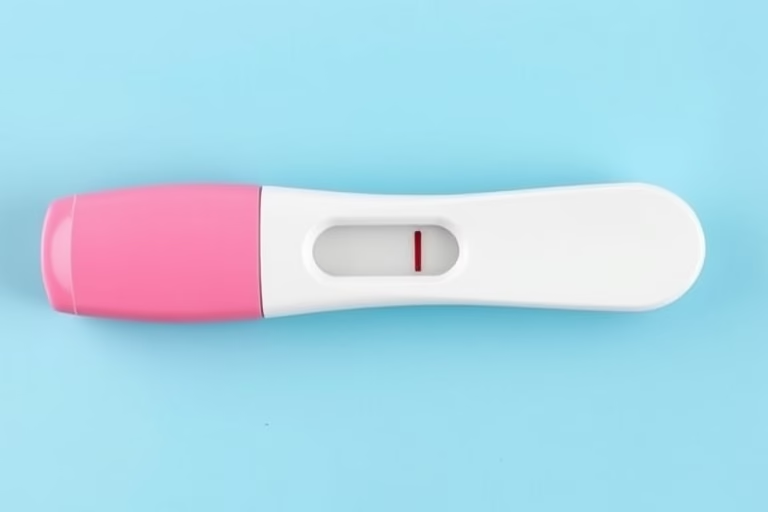
Understanding Implantation Bleeding and Pregnancy Testing
When it comes to conception, many women become keenly aware of their bodies and the signs of pregnancy. One term that often pops up is implantation bleeding. This occurs when a fertilized egg attaches to the lining of the uterus, which may lead to light spotting. This usually happens around six to twelve days after conception. For those who are trying to conceive, it can be a hopeful sign.
However, a common scenario arises when a woman notices implantation bleeding but later takes a pregnancy test that results in a negative reading. This situation can cause confusion and frustration, especially if it has been fifteen days since the bleeding occurred. Understanding what this means and exploring the factors that can contribute to a negative pregnancy test at this stage is essential for all prospective parents. This information will help clarify the results and possibly pave the way for the next steps in reproductive health.
Timing of Implantation Bleeding
It’s important to understand when implantation bleeding occurs in relation to your menstrual cycle. Typically, it can happen about a week to a week and a half after fertilization, which aligns closely with the expected period for many women. This timing can lead to confusion, as many women may mistake implantation bleeding for an early period. Knowing the exact timing can also impact when you should take a home pregnancy test.
Pregnancy tests measure the level of human chorionic gonadotropin (hCG) in your urine. This hormone increases rapidly after implantation. If you take a test too early, the hCG level may not be high enough to detect, leading to a false negative. Therefore, if you experience implantation bleeding, waiting a few more days after the bleeding to test can improve accuracy.
Even fifteen days post-implantation, the situation can vary greatly depending on individual circumstances. Some women might still get a negative result due to low hCG levels or other factors.
Common Causes of a Negative Pregnancy Test
Several reasons can lead to a negative pregnancy test even after experiencing implantation bleeding. Understanding these causes can help women navigate their concerns. Here are some common reasons:
Considering these factors, it’s clear that a negative test doesn’t always signal a lack of pregnancy; many variables can affect the result.
Testing Methods and Timing
In assessing pregnancy, various testing methods are available. The two primary methods are blood tests and urine tests. Blood tests can detect pregnancy earlier than urine tests and are generally more sensitive. Home pregnancy tests usually require waiting until after a missed period, while blood tests can be conducted sooner.
When dealing with implantation bleeding, especially if you have an uncertain negative test, getting a blood test from a healthcare provider can be beneficial. Blood tests can provide a quantitative measurement of hCG, offering more precise insights into whether pregnancy has occurred.
Timing your tests according to your cycle can improve the accuracy of results. The best time for urine tests is generally the first morning urine, when hCG levels are highest. If you are still receiving negative results fifteen days after implantation bleeding, it is wise to consult with a healthcare professional.
Monitoring Symptoms After Implantation Bleeding
It’s essential to monitor your symptoms closely after experiencing implantation bleeding. Some women may notice additional signs of pregnancy, such as:
Paying attention to these details can provide clues about what is happening in your body. If symptoms are present despite the negative test, a follow-up with a healthcare provider is advisable for further investigation.
When to Seek Medical Advice
If you experience implantation bleeding and continue to receive negative pregnancy tests, evaluating when to consult with a healthcare provider is crucial. Signs that signal the need for professional input include:
These red flags can indicate issues needing assessment, such as ectopic pregnancy or hormonal imbalances. Consulting a medical professional will give you tailored insights and further testing if needed.
Final Thoughts
When navigating through the confusing waters of potential pregnancy, understanding the signs and symptoms, such as implantation bleeding and the implications of a negative pregnancy test, can be beneficial. For those experiencing these situations fifteen days post-implantation bleeding with a negative test result, consider all possible factors.
While the situation can spark confusion and concern, keep in mind the critical factors that could lead to negative results, from timing to hormonal levels. Utilize the resources available, and remember that personal health varies significantly from one individual to another. Engaging your healthcare provider for advice can ensure you receive the guidance necessary for your circumstances.
Typically, if you have not received a clear answer from your tests, waiting to retest a few days later or seeking a blood test will often provide clarity. Most importantly, keeping track of your symptoms and understanding your body can empower you throughout this journey.
Frequently Asked Questions
1. What is implantation bleeding?
Implantation bleeding is light spotting that occurs when a fertilized egg attaches to the uterine lining, typically between six to twelve days after conception.
2. Can you get a negative pregnancy test after implantation bleeding?
Yes, a negative pregnancy test can occur if the test is taken too early or if hCG levels have not risen sufficiently.
3. How accurate are home pregnancy tests?
Home pregnancy tests are usually around 97% accurate when taken after a missed period, but early testing can lead to false negatives.
4. Should I seek medical advice after a negative test following implantation bleeding?
If you continue to experience symptoms or have concerns, it’s advisable to consult with a healthcare professional for further evaluation.
5. What other factors could impact a negative test result?
Factors like improper test use, low hCG levels, hormonal imbalances, and certain medications can affect pregnancy test outcomes.
Further Reading
What Type of Psychotherapy Is Best for Anxiety?