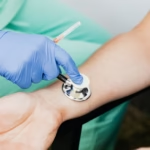
High blood pressure, also known as hypertension, is a medical condition that affects millions of people worldwide. It occurs when the force of blood against the walls of arteries is consistently too high. Over time, this condition can lead to serious health issues, including heart disease, kidney failure, and stroke. Recently, many individuals have started to wonder if high blood pressure could be linked to eye twitching. Eye twitching, clinically known as ‘myokymia’, is an involuntary spasm of the eyelid muscles that can be irritating and bothersome. This article explores whether high blood pressure can indeed cause eye twitching, examining both the physiological connections and lifestyle factors. In addition, we will provide dietary advice, stress-relief strategies, and other health tips to manage blood pressure effectively.
Understanding Eye Twitching
Eye twitching, or myokymia, often manifests as a mild, involuntary spasm of the eyelid muscles. While it may seem trivial, it can lead to significant discomfort and distraction. Various factors contribute to this phenomenon, including fatigue, stress, caffeine intake, and eye strain. The eye is a sensitive organ, and any disruption in its normal function can trigger muscle spasms. It is essential to identify the primary triggers to manage this condition effectively. In some serious cases, chronic eye twitching may be a symptom of neurological disorders or other underlying health issues.
High Blood Pressure and Its Symptoms
High blood pressure results from various factors such as poor diet, lack of exercise, obesity, and genetic predisposition. While it is often asymptomatic, some may experience headaches, shortness of breath, or even nosebleeds. It is crucial to monitor blood pressure regularly to avoid the long-term effects of hypertension. Consulting a healthcare provider can help diagnose and manage this condition effectively. Lifestyle changes, such as improved nutrition and increased physical activity, can significantly impact blood pressure levels.
The Connection Between High Blood Pressure and Eye Twitching
There is a growing interest in understanding how high blood pressure correlates with eye twitching. While direct scientific evidence linking the two is limited, stressful situations caused by high blood pressure may exacerbate eye twitching. Stress can lead to muscle tension and spasms, even in the eye region. If you are experiencing both hypertension and eye twitching, it may be beneficial to address your overall stress levels and hypertension together.
Stress and Eye Twitching
One of the leading causes of eye twitching is stress. When your body undergoes stress, it can trigger muscle spasms in various areas, including your eyes. Therefore, managing stress is pivotal for both mental and physical health and may help alleviate eye twitching symptoms. Techniques such as meditation, deep breathing exercises, yoga, and regular physical activity can reduce stress levels effectively. Additionally, making time for relaxation and leisure activities can significantly benefit overall well-being.
Diet’s Role in Blood Pressure Management
The food choices you make can have a tremendous impact on your blood pressure. A balanced diet rich in fruits, vegetables, whole grains, and lean proteins can help regulate blood pressure levels. Foods high in potassium, such as bananas and spinach, assist in counteracting sodium’s ill effects. Additionally, reducing salt intake is paramount in managing high blood pressure. Processed foods often contain significant amounts of sodium, so reading labels is essential. Moreover, reducing caffeine and alcohol consumption may also lower blood pressure levels and, in turn, potentially reduce incidences of eye twitching.
Hydration and Its Importance
Staying hydrated is essential for overall health, including eye health. Dehydration can result in various physical symptoms, including muscle cramps and spasms, which may contribute to eye twitching. The recommended daily water intake varies by individual, but generally, around 2-3 liters per day is advisable. Drinking adequate water can help maintain optimal blood flow, thus supporting healthy blood pressure levels and reducing the risk of eye twitching.
Regular Physical Activity
Engaging in regular physical activity is vital for maintaining a healthy blood pressure. Aerobic exercises, strength training, or even daily walking can significantly reduce high blood pressure risks. Activities that promote overall fitness and well-being can help relieve stress and potentially reduce incidents of eye twitching. Aim for at least 150 minutes of moderate aerobic exercise per week, which could include activities such as a brisk walk, cycling, or swimming.
Consulting Healthcare Professionals
If you experience persistent eye twitching or are at risk for high blood pressure, consulting a healthcare professional is essential. Physicians can offer tailored advice based on individual health needs and recommend appropriate treatments or medications. Regular check-ups can help monitor blood pressure and eye health, ensuring both areas remain well-managed over time.
Alternative Therapies
Several alternative therapies may help alleviate the symptoms of high blood pressure and eye twitching. Techniques such as acupuncture, massage therapy, and aromatherapy have gained traction for promoting relaxation and helping manage stress. While more research is needed to establish their efficacy fully, these practices have shown promise as complementary therapies to traditional medical approaches.
Final Thoughts
The interaction between high blood pressure and eye twitching may be more complex than it seems at first glance. While high blood pressure itself does not directly cause eye twitching, the associated stress and lifestyle factors play significant roles in the occurrence of muscle spasms in the eyelid. By managing blood pressure through a healthy lifestyle, reducing stress, and seeking medical attention when needed, individuals can address both issues effectively. Remember to prioritize your health by incorporating proper nutrition, regular exercise, and effective stress-management techniques into your daily routine. If you notice any persistent symptoms, consult your healthcare provider for guidance. Taking proactive measures is vital for maintaining both cardiovascular and ocular health.
Frequently Asked Questions
1. What causes eye twitching?
Eye twitching can be caused by stress, fatigue, caffeine intake, and eye strain. It is often benign but can be aggravated by high blood pressure.
2. How can I reduce high blood pressure?
To reduce high blood pressure, adopt a balanced diet, exercise regularly, manage stress levels, and consult a healthcare provider for personalized care.
3. Is eye twitching serious?
Generally, eye twitching is not serious, but if it persists or is accompanied by other symptoms, it is wise to consult a medical professional for further evaluation.
4. Can dehydration cause eye twitching?
Yes, dehydration can lead to muscle cramps and spasms, including eye twitching. Staying adequately hydrated is essential for overall health.
5. Should I see a doctor for eye twitching?
If eye twitching persists or worsens, it is advisable to consult a doctor to rule out any underlying conditions, especially if you have high blood pressure.
Further Reading
3.5 tog sleeping bag temperature guide
What Type of Psychotherapy Is Best for Anxiety?