In this article, we will be talking about what Chinese food is good for high blood pressure. High blood pressure, or hypertension, is a common health condition characterized by elevated blood pressure levels in the arteries. If left unmanaged, it can lead to severe health issues such as heart disease and stroke. Proper dietary choices are crucial for managing blood pressure effectively. Traditional Chinese cuisine offers numerous delicious options that can help keep your blood pressure in check. Key components of a healthy diet include fresh vegetables, whole grains, lean proteins, and low-sodium options—all of which can be incorporated into a variety of Chinese dishes. By understanding what ingredients and meals are beneficial, individuals with high blood pressure can enjoy Chinese food while pursuing healthier lifestyles.
1. Benefits of Chinese Cuisine for High Blood Pressure
Chinese cuisine is rich in flavors and health benefits. Many traditional dishes emphasize vegetables, whole grains, and lean proteins, making them suitable for individuals with high blood pressure. By incorporating ingredients like garlic, ginger, and soy sauce in moderation, one can enjoy meals that support cardiovascular health. Additionally, Chinese cooking methods such as steaming, boiling, and stir-frying with minimal oil can help maintain the nutritional value of the food while reducing added fats that elevate blood pressure.
2. Low-Sodium Soy Sauce Alternatives
Regular soy sauce is high in sodium, which can raise blood pressure. However, low-sodium soy sauce is an excellent alternative that provides the same umami flavor while reducing sodium intake. Many dishes can be enhanced with this healthier option, allowing those with high blood pressure to enjoy savory flavors without the associated risks.
3. Incorporating Leafy Greens in Chinese Dishes
Leafy greens like bok choy, spinach, and Chinese cabbage are staples in many Chinese recipes. These vegetables are low in calories and high in potassium, an essential mineral for blood pressure regulation. By adding leafy greens to soups, stir-fries, and salads, individuals can boost their intake of essential nutrients while enjoying delicious meals tailored to their health needs.
4. The Heart Benefits of Garlic and Ginger
Garlic and ginger are common ingredients in Chinese cooking and possess heart-healthy properties. Studies suggest that garlic can help lower blood pressure and improve overall heart health. Similarly, ginger has anti-inflammatory properties that can enhance circulation and reduce hypertension effects. Incorporating these ingredients into various dishes can provide both flavor and health advantages.
5. Whole Grain Options in Chinese Cuisine
Many traditional Chinese meals feature whole grains such as brown rice and quinoa. Whole grains are rich in fiber, which aids in maintaining a healthy weight and reducing cholesterol levels. Replacing refined grains with whole grains in dishes such as fried rice or stir-fries can have a significant impact on managing high blood pressure.
6. Benefits of Tofu and Other Lean Proteins
Tofu is a popular vegetarian protein source in Chinese food that is low in sodium and saturated fat. Including tofu in your meals can help replace higher-fat meats while providing essential nutrients like calcium and protein. Lean proteins support overall health and contribute to better blood pressure management when integrated into balanced meals.
7. The Role of Nuts and Seeds
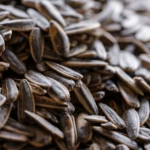
Nuts and seeds are often used in Chinese dishes as toppings or garnishes. Almonds, walnuts, and sesame seeds are rich in healthy fats and can improve heart health when consumed in moderation. They provide essential fatty acids and nutrients that can help in stabilizing blood pressure levels, making them a great addition to meals.
8. Mindful Eating and Portion Control
In Chinese dining culture, portion control and mindful eating are emphasized. Practicing these methods can assist those with high blood pressure in managing their weight and caloric intake. Smaller servings can lead to better digestion and reduced overall calorie consumption, allowing for a balanced diet without feeling deprived of delicious food.
9. Exploring Herbal Teas
Herbal teas are often consumed in Chinese culture and can have various health benefits. Certain teas like hibiscus tea have been shown to lower blood pressure naturally. Integrating these herbal infusions into your daily routine can provide hydration and support overall heart health while adding a unique taste experience to your diet.
10. Cooking Techniques to Reduce Sodium
Many traditional cooking techniques in Chinese cuisine, such as steaming and stir-frying, promote healthy eating. Using these methods helps preserve nutrients and minimize the need for excessive seasoning that can contain high sodium levels. Experimenting with various herbs and spices can replace salt, allowing individuals to enjoy flavorful meals while managing their blood pressure effectively.
In conclusion, understanding what Chinese food is good for high blood pressure opens a gateway to delicious and health-conscious meals. Traditional Chinese cuisine offers an array of low-sodium options, the incorporation of leafy greens, heart-healthy ingredients like garlic and ginger, whole grains, lean proteins like tofu, and the addition of nuts and seeds promotes both flavor and nourishment. Mindful eating and proper cooking techniques further pave the way for managing high blood pressure while indulging in exquisite flavors. The practice of exploring herbal teas can enhance one’s lifestyle, offering additional benefits. Adopting these positive dietary choices allows individuals to enjoy the vibrant world of Chinese food without compromising their health.
FAQs
- What types of Chinese food should I avoid if I have high blood pressure? Avoid dishes with high sodium content, such as those made with regular soy sauce, pickled vegetables, or processed meats.
- Can I use regular soy sauce in my Chinese dishes? It is better to use low-sodium soy sauce to limit sodium intake while still adding flavor to your meals.
- Are there specific vegetables that are better for high blood pressure? Yes, leafy greens such as bok choy and spinach are excellent for managing hypertension.
- Can Chinese herbal teas benefit high blood pressure? Certain herbal teas, like hibiscus tea, have natural properties proven to support healthy blood pressure levels.
- What cooking methods are best for preparing heart-healthy Chinese food? Steaming and stir-frying with minimal oil can help maintain the nutritional integrity of ingredients while reducing unhealthy fats.
Further Reading
3.5 tog sleeping bag temperature guide
What Type of Psychotherapy Is Best for Anxiety?