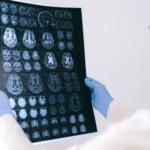
High blood pressure, also known as hypertension, is a medical condition that occurs when the force of the blood against the walls of your arteries is consistently too high. It is often called a silent killer because it frequently has no symptoms until severe complications arise. One of these serious potential complications is the occurrence of seizures. While seizures are usually linked to neurological disorders, the connection between elevated blood pressure and seizure activity is an area of growing interest. Understanding whether high blood pressure can cause seizures involves exploring various physiological mechanisms, risk factors, and the impact of hypertension on overall brain health. This article delves into the relationship between high blood pressure and seizures, the importance of managing hypertension, and what individuals can do to mitigate their risk.
Understanding High Blood Pressure
High blood pressure (hypertension) is defined as having a blood pressure reading of 140/90 mmHg or higher. It’s a common condition that can lead to severe health issues such as heart disease, stroke, and kidney damage. Hypertension can result from genetic factors, unhealthy lifestyle choices (such as poor diet and lack of exercise), and sometimes from secondary causes like hormonal disorders. Managing blood pressure is crucial to prevent complications, and a key area of concern is its potential relationship with seizures. It’s vital to understand how high blood pressure affects the brain and contributes to neurological issues.
Link Between High Blood Pressure and Seizures
The relationship between high blood pressure and seizures is complex. Seizures commonly result from electrical disturbances in the brain, which can be influenced by various factors, including blood flow and pressure. When blood pressure rises significantly, it may lead to a disruption of normal brain function. Additionally, hypertensive crises can induce acute changes in intracranial pressure, potentially triggering seizures. This section will examine how high blood pressure may increase the risk of seizure episodes and the underlying mechanisms involved.
Types of Seizures Related to High Blood Pressure
Seizures can be classified into various types, such as focal seizures, generalized seizures, and others. When examining the impact of hypertension, it is essential to focus on how different types of seizures may be more directly affected by high blood pressure. This section will explore the types of seizures associated with elevated blood pressure, and how each type may present differently in patients also struggling with hypertension.
Symptoms Indicating a Possible Seizure
Recognizing the signs of a seizure is crucial for timely medical intervention. Symptoms can vary significantly, but common indicators include sudden convulsions, loss of consciousness, and confusion post-event. In patients with high blood pressure, being aware of seizure symptoms can be life-saving. This section will detail the typical seizure symptoms and provide guidance on when to seek medical help if someone with high blood pressure is exhibiting these signs.
Managing High Blood Pressure to Prevent Seizures
Effective management of high blood pressure can significantly reduce the risk of seizures among those who experience hypertension. Through lifestyle changes such as diet, exercise, and stress management, individuals can lower their blood pressure and protect their brain health. This section will cover evidence-based strategies for managing blood pressure and the role of medication in preventing health complications like seizures.
The Role of Medication in Managing Hypertension
Medications play a critical role in controlling high blood pressure. Different classes of antihypertensive drugs, such as diuretics, ACE inhibitors, and calcium channel blockers, may be prescribed based on the patient’s specific health profile. Understanding the impact of these medications on blood pressure and brain function is crucial, especially for those at risk of seizures. This section will discuss the common medications used and their effectiveness in managing hypertension and associated risks.
Diet and Nutrition for Hypertensive Patients
Nutrition is a powerful tool in managing high blood pressure. Implementing a diet low in sodium and rich in fruits, vegetables, and whole grains can help maintain healthy blood pressure levels. The DASH (Dietary Approaches to Stop Hypertension) diet is a recommended plan that emphasizes these food groups. This section will cover dietary recommendations specifically designed to promote better blood pressure control and overall health.
The Importance of Regular Health Check-ups
Regular health check-ups are essential for individuals with high blood pressure. Monitoring blood pressure levels, assessing overall health, and identifying possible seizure symptoms can ensure timely interventions. This section will discuss the importance of routine check-ups in managing hypertension, preventing complications, and monitoring neurological health.
Impact of High Blood Pressure on Brain Health
High blood pressure does not only affect the heart but also has a significant impact on brain health. Chronic hypertension can lead to vascular changes in the brain, increasing the risk of cognitive dysfunction and neurological disorders. This section will explore how elevated blood pressure harms brain tissue, increasing the likelihood of seizures and other serious health consequences.
Seeking Medical Advice If You Experience Symptoms
If an individual with high blood pressure experiences seizures or any unusual neurological symptoms, it is critical to seek medical advice. Understanding when to consult a healthcare provider can significantly affect outcomes. This section will provide guidance on recognizing concerning symptoms and the importance of early intervention.
Managing high blood pressure is a key aspect of maintaining overall health. Elevated blood pressure can lead to serious complications, including seizures. This article highlighted the relationship between hypertension and seizures, the types of seizures that may occur, and the myriad ways to manage blood pressure effectively. Through lifestyle modifications, medication adherence, and regular monitoring, individuals can mitigate their risk of seizures and improve their overall quality of life. Knowledge is power; understanding the implications of hypertension enables individuals to take proactive steps for their health.
Frequently Asked Questions
- Can high blood pressure lead to seizures?
Yes, elevated blood pressure can increase the risk of seizures due to potential changes in brain function and blood flow. - What types of seizures are associated with high blood pressure?
Both focal and generalized seizures can be associated with elevated blood pressure levels, depending on various individual factors. - How can I manage high blood pressure to prevent seizures?
You can manage hypertension through lifestyle changes such as a healthy diet, regular exercise, stress management, and medication adherence. - What should I do if I experience a seizure while having high blood pressure?
Seek immediate medical attention to assess your condition and modify your treatment plan accordingly. - What role do medications play in managing hypertension?
Antihypertensive medications are crucial for controlling blood pressure levels and preventing related complications such as seizures.
Further Reading
3.5 tog sleeping bag temperature guide
What Type of Psychotherapy Is Best for Anxiety?