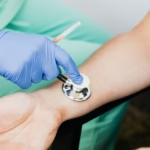
We will be talking about can you take blood pressure on stroke side. Blood pressure measurement is a crucial aspect of monitoring cardiovascular health, especially for individuals who have suffered a stroke. A stroke can impact the body differently, and one major concern is how it affects blood circulation and measurement. The side of the body that was affected by a stroke may have altered blood flow, making it imperative to understand how to appropriately monitor blood pressure. Patients often ask if it is safe or accurate to take blood pressure from the affected side and what considerations should be made. This article will cover the key factors that relate to taking blood pressure on the stroke side and the implications for overall health.
Understanding Blood Pressure Measurement
Blood pressure (BP) is the force exerted by circulating blood on the walls of blood vessels. It is typically measured using a sphygmomanometer, consisting of an inflatable cuff, a pressure gauge, and a stethoscope. Blood pressure readings are classified into systolic (pressure during heartbeats) and diastolic (pressure in between beats). Normal blood pressure is usually around 120/80 mmHg. Understanding how to read and interpret these numbers is essential for individuals managing their health, especially after a stroke.
The Importance of Accurate Blood Pressure Readings
Accurate blood pressure readings are essential for everyone, but especially for stroke survivors. Managing high blood pressure can reduce the risk of subsequent strokes and other cardiovascular diseases. Having reliable measurements can help healthcare providers make informed decisions about treatment options. On the other hand, inaccurate readings can lead to unnecessary interventions or a lack of needed treatment. This makes it crucial to know the appropriate techniques for measuring blood pressure, particularly on the stroke-affected side.
Risks of Taking Blood Pressure on the Stroke Side
Taking blood pressure on the side affected by a stroke poses specific risks and considerations. Due to compromised circulation or muscle control, the readings might not be reliable. Additionally, there may be discomfort or pain in the affected limb, which can create a stressful environment for the patient. Moreover, there’s potential for swelling or changes in the vascular function that could skew BP results even further. Thus, healthcare providers must evaluate the appropriateness of taking readings on the affected side carefully.
Clinical Guidelines for Blood Pressure Measurement
Healthcare professionals often follow specific clinical guidelines for measuring blood pressure, especially in patients with a history of stroke. Guidelines recommend using the non-affected side whenever possible to ensure accuracy. If taking the BP on the affected side is necessary, providers may choose to do so only after assessing the patient’s condition thoroughly. Factors such as recent changes in mobility, the level of discomfort, and specific responses to blood pressure medications can guide these clinical decisions. Patients should always discuss their options with their healthcare provider.
How to Take Blood Pressure: The Right Technique
Using the correct technique for blood pressure measurement is essential for obtaining valid results. Key steps include ensuring the patient is at rest, using the appropriate cuff size, and positioning the arm at heart level. If taking blood pressure on the stroke side is necessary, additional precautions may include ensuring proper support and comfort. Observations for signs of discomfort or unusual symptoms during the measurement can also provide insights into the appropriateness of readings. These thorough techniques are essential for making informed health decisions.
The Role of Technology in Blood Pressure Monitoring
Technology has advanced significantly, facilitating home monitoring of blood pressure through digital devices. Many of these devices are designed for user-friendliness, making it easier for stroke survivors to take their blood pressure regularly. When utilizing technology, it is still vital to confirm the accuracy of the device. Some technology can offer targeted readings on specific limbs, which may aid in assessing blood pressure on the affected side. Regular monitoring with reliable equipment can empower patients to manage their health more effectively.
Consulting Healthcare Providers
Consultation with healthcare providers can provide personalized recommendations regarding blood pressure monitoring after a stroke. Providers often assess each patient’s unique circumstances, including any disabilities or medication needs. Understanding when to monitor blood pressure, which tools to use, and where to take the readings are crucial components of a tailored health management plan. Consistent communication with healthcare professionals allows patients to adapt their health practices, promoting more successful management of blood pressure.
Understanding the Impact of Hypertension Post-Stroke
Hypertension, or high blood pressure, is a critical health concern following a stroke. The condition can increase the likelihood of recurrent strokes and other cardiovascular complications. Managing blood pressure effectively post-stroke is more beneficial when accurate readings are available. By acknowledging the risks associated with measuring on the affected side and opting for the healthier side when able, patients are effectively taking charge of their ongoing health. This preventative measure allows for proactive health strategies to minimize complications.
Patient Empowerment through Education
Education plays a key role in empowering patients to manage their health effectively. Learning about strokes, blood pressure management, and the implications of measuring blood pressure on the stroke side can help patients take appropriate actions. Engaging stroke education programs or support groups can provide additional resources and foster community involvement, further enhancing patient knowledge on these important health measures. Accessible information can lead to better health outcomes and increased patient confidence when navigating the post-stroke recovery journey.
Conclusion
In summary, understanding can you take blood pressure on the stroke side is a vital part of managing health after a stroke. Accurate blood pressure measurements are crucial for preventing further strokes and maintaining overall cardiovascular health. While there are risks associated with measuring blood pressure on the affected side, the right techniques, clinical guidelines, and technologies can help provide reliable readings. Consulting healthcare providers is essential in establishing safe guidelines tailored to each patient’s needs. Ongoing education and patient empowerment further promote successful health management. Ensuring every patient understands how to navigate their health journey can significantly influence recovery and overall well-being.
Frequently Asked Questions
- 1. Can I take my blood pressure on the side affected by a stroke?
- No, it’s generally recommended to measure BP on the unaffected side to ensure accuracy.
- 2. Why is accurate blood pressure measurement important for stroke survivors?
- It helps monitor cardiovascular health and reduces the risk of future strokes.
- 3. What should I do if I need to take blood pressure on the stroke side?
- Consult with a healthcare provider who can guide you through the safe methods and considerations.
- 4. How do I ensure I am taking my blood pressure correctly?
- Follow proper techniques, such as resting before the measurement and using a correctly sized cuff.
- 5. Are there technologies that can help in monitoring blood pressure post-stroke?
- Yes, digital blood pressure monitors can provide easier at-home monitoring options; ensure to check for device accuracy.
Further Reading
3.5 tog sleeping bag temperature guide
What Type of Psychotherapy Is Best for Anxiety?