We will be talking about what can urgent care do for high blood pressure. High blood pressure, often referred to as hypertension, is a serious health condition that affects millions of people worldwide. It occurs when the force of blood against the walls of the arteries is consistently too high. This condition can lead to severe health complications, including heart disease, stroke, and kidney issues. Regular monitoring and management are essential for those living with hypertension. Understanding how urgent care facilities can help is vital for maintaining your health and well-being. Urgent care centers provide immediate medical attention for various conditions, including high blood pressure, making them a suitable choice for those in need of quick assessment and treatment.
1. What Is Urgent Care?
Urgent care centers are medical facilities that provide immediate care for non-life-threatening health issues. They are designed to offer convenience and extensive services for patients who need quick attention. Unlike emergency rooms, which cater to severe medical emergencies, urgent care centers are ideal for situations that require timely evaluation but are not life-threatening. Patients can receive treatments quickly without needing appointments, making them an excellent option for managing conditions like high blood pressure effectively.
2. Symptoms of High Blood Pressure
High blood pressure is often referred to as the “silent killer” because it frequently does not present any obvious symptoms. Many people are unaware they have it until they experience severe health complications. Some common signs—though not always present—may include headaches, shortness of breath, nosebleeds, and swelling in the legs and feet. Urgent care can assess these symptoms, leading to early intervention that can prevent long-term health issues.
3. How Urgent Care Diagnoses High Blood Pressure
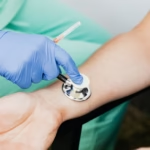
In an urgent care setting, diagnosing high blood pressure generally involves measuring blood pressure using a sphygmomanometer. The medical staff will assess the recorded readings and determine whether hypertension is present. If readings consistently exceed 130/80 mmHg, further evaluation may be necessary. Urgent care can provide initial help by recommending lifestyle modifications or medication before referring patients to specialists if needed.
4. Immediate Treatments Offered by Urgent Care
Urgent care facilities can offer various immediate treatments for high blood pressure. If a patient’s blood pressure is elevated, clinicians may provide medications to bring it down, supplemented by lifestyle advice. Some facilities also offer lab tests and imaging services that help monitor the condition further, making urgent care a valuable option for managing high blood pressure effectively.
5. Referral to Specialists
If a patient’s hypertension requires advanced treatment and ongoing management, urgent care centers can provide necessary referrals to specialists such as cardiologists or endocrinologists. Having access to specialty care is critical for patients experiencing chronic or severe hypertension. Urgent care facilitates this process by coordinating the transition from immediate care to specialized treatment.
6. Importance of Regular Monitoring
Regular monitoring is vital for anyone diagnosed with high blood pressure. Urgent care centers usually recommend follow-up appointments to keep track of any changes. Patients are advised to maintain routine blood pressure checks to ensure their levels remain stable. This ongoing assessment is essential for managing risks associated with hypertension, such as cardiovascular diseases.
7. Lifestyle Modifications in Management
Urging changes in lifestyle is a critical component in managing high blood pressure. Urgent care clinicians often provide advice on diet, exercise, weight management, and stress reduction. Dietary recommendations may include lowering sodium intake, eating more fruits and vegetables, and adopting a balanced diet. Exercise recommendations and stress management tips can help patients control their blood pressure effectively.
8. Benefits of Choosing Urgent Care for High Blood Pressure
Choosing urgent care for high blood pressure offers several benefits. Convenience is a primary advantage, as these facilities are often open extended hours and accept walk-ins. They also provide comprehensive services, allowing patients to receive immediate evaluations and treatment without long wait times. This accessibility encourages people to seek care quickly, ultimately contributing to better health outcomes.
9. Understanding the Risks of Ignoring High Blood Pressure
Ignoring high blood pressure can lead to severe complications. Uncontrolled hypertension increases the risk of coronary artery disease, heart failure, stroke, and kidney disease. Urgent care emphasizes the importance of addressing high blood pressure early and provides patients with resources and support for managing their condition. By seeking care promptly, individuals can minimize risks and improve their overall health outlook.
10. Strategies for Effective Communication with Healthcare Providers
Effective communication with healthcare providers is crucial for managing high blood pressure. Patients visiting an urgent care center should be prepared to discuss their history, symptoms, and lifestyle. Staying proactive ensures that healthcare providers can offer the best care possible. This level of engagement is essential for successful management and treatment of hypertension.
In conclusion, understanding what urgent care can do for high blood pressure is essential in today’s healthcare landscape. Urgent care centers provide critical services that allow for immediate evaluation, diagnosis, and treatment of hypertension. From assessing symptoms to managing lifestyle changes and referring patients to specialists, these facilities serve as a first line of defense against the complications associated with high blood pressure. Regular monitoring, immediate access to care, and effective communication with healthcare providers are vital in controlling this “silent killer.” Whether you experience symptoms or need a routine check, urgent care centers can play a crucial role in managing your blood pressure effectively.
Frequently Asked Questions
- Q: How often should I have my blood pressure checked?
A: Regular blood pressure checks should be part of your annual health assessment, especially if you have a family history of hypertension. - Q: Can urgent care prescribe medication for high blood pressure?
A: Yes, urgent care can prescribe medications for high blood pressure if deemed necessary during your visit. - Q: What lifestyle changes can help manage high blood pressure?
A: Incorporating a balanced diet, regular exercise, and practicing stress reduction techniques can significantly help manage high blood pressure. - Q: Is urgent care suitable for severe high blood pressure cases?
A: If a patient’s blood pressure is critically high or they show symptoms of a hypertensive crisis, they should seek immediate care at an emergency room rather than an urgent care facility. - Q: What should I bring to my urgent care visit for high blood pressure?
A: Bring any previous health records, a list of medications you currently take, and information about your medical history to help expedite your visit.
Further Reading
3.5 tog sleeping bag temperature guide
What Type of Psychotherapy Is Best for Anxiety?