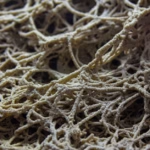
We will be talking about can sea moss help with high blood pressure. Sea moss, known scientifically as Chondrus crispus, is a type of red algae commonly found on the coasts of the Atlantic Ocean. Rich in nutrients, it has gained popularity as a health supplement over recent years. Sea moss is packed with essential vitamins and minerals, including iodine, potassium, calcium, and magnesium. These components are believed to contribute to various health benefits, including support for a healthy cardiovascular system.
One of the prevalent concerns in health today is high blood pressure, or hypertension, which affects millions globally. It occurs when the force of the blood against the artery walls is too high, leading to significant health issues such as heart disease and stroke. Maintaining balanced blood pressure is crucial for overall health, making the exploration of natural remedies, like sea moss, significant. In this article, we will delve into how sea moss may help manage and lower high blood pressure.
The Nutrients in Sea Moss and Their Impact on Blood Pressure
Sea moss is a treasure trove of nutrients. With rich levels of potassium, it plays a central role in heart health. Potassium helps balance sodium levels in the body, an essential factor in controlling blood pressure. When potassium levels are adequate, it helps in relaxing blood vessel walls and alleviating tension, which can contribute to lower blood pressure levels.
Moreover, sea moss contains magnesium which is vital for numerous functions in the body, including regulating blood pressure. Studies have shown that magnesium can help maintain normal blood pressure levels. The fiber content in sea moss also aids in reducing cholesterol levels, further protecting against the risks associated with hypertension. In summary, the various nutrients found in sea moss work synergistically to support cardiovascular health, potentially helping to manage high blood pressure effectively.
How Sea Moss Can Support Heart Health
Heart health is paramount when discussing high blood pressure. The heart is the center of the circulatory system, and its proper function is intricately tied to the management of blood pressure. Sea moss is now recognized for its ability to support heart health through its nutrient composition.
The anti-inflammatory properties of sea moss can benefit cardiovascular health by reducing inflammation within blood vessels, enhancing blood circulation. Additionally, the antioxidants found in sea moss combat oxidative stress, which can negatively impact heart health and blood pressure. By supporting heart function, sea moss helps ensure that blood flows efficiently, potentially lowering high blood pressure levels.
Potential Anti-Hypertensive Effects of Sea Moss
Research is continually exploring the potential anti-hypertensive effects of sea moss. Several studies indicate that seaweed, in general, may contribute to lower blood pressure. This is primarily due to the presence of bioactive compounds in sea moss, which may have vasodilation effects, leading to relaxation of the vascular system.
Moreover, the balance of sodium and potassium in the diet is a critical factor in managing high blood pressure. In this regard, introducing sea moss into the diet can provide additional potassium without the harmful effects of excess sodium. Evidence suggests that incorporating such natural foods can play a vital role in dietary modifications aimed at reducing hypertension.
The Role of Iodine in Blood Pressure Regulation
Iodine is another essential nutrient present in sea moss and is crucial for thyroid function. The thyroid gland plays a significant role in regulating metabolism and heart function. Thyroid dysfunction can lead to various issues, including hypertension. Ensuring adequate iodine levels through sea moss consumption can help in maintaining a healthy thyroid, which in turn supports blood pressure regulation.
Taking sea moss may help individuals meet their iodine requirements, preventing hypothyroidism and its related complications, thereby influencing blood pressure positively. However, moderation is key, as excess iodine intake could lead to hyperthyroidism and other issues.
Boosting Overall Nutritional Status
Incorporating sea moss into your diet enhances overall nutritional status, which is vital in managing high blood pressure. A well-balanced diet rich in vitamins, minerals, and fiber is the cornerstone of healthy blood pressure levels.
Sea moss provides a variety of these essential nutrients, contributing to a more balanced diet. The consumption of nutrient-dense foods helps support metabolic processes, digestion, and overall cardiovascular health. This holistic approach provides a foundation for improving blood pressure and reducing hypertension risks.
How to Incorporate Sea Moss into Your Diet
Incorporating sea moss into your diet can be simple and enjoyable. There are various ways to add this nutrient-rich algae to your meals. Sea moss can be consumed in its raw form, but many prefer to prepare it into gels or include it in smoothies. The gel can be easily added to soups, stews, or desserts without altering the taste significantly.
For those who are creative with cooking, sea moss can also be blended into salad dressings, used as a thickening agent, or added to baked goods. Ensuring that you understand how to prepare and consume sea moss can maximize its health benefits, thus contributing to lowering high blood pressure.
Potential Side Effects and Precautions
While sea moss can offer notable benefits, it is critical to be aware of potential side effects and precautions. Excess iodine intake can lead to thyroid dysfunction. Individuals with pre-existing thyroid conditions should consult a healthcare professional before using sea moss.
Moreover, as with any supplement, it’s essential to source high-quality sea moss to avoid contaminants. Understanding dosage and sticking within recommended limits are crucial for avoiding adverse effects. Therefore, knowing the potential risks can enhance the safety of including sea moss in your dietary regimen.
Combining Sea Moss with Other Natural Remedies
To enhance the effects of sea moss on high blood pressure, consider combining it with other natural remedies. For instance, garlic and omega-3 fatty acids have been shown to positively impact blood pressure. Garlic works as a vasodilator, while omega-3s reduce inflammation.
Additionally, lifestyle practices such as regular exercise, stress management, and maintaining a balanced diet should be integrated with sea moss supplementation. This comprehensive approach highlights the synergistic effects of multiple healthy practices in managing blood pressure effectively.
Consulting Healthcare Professionals
Before starting any new health regimen, including sea moss supplementation, it is vital to consult with healthcare professionals. They can provide personalized advice and monitor your progress, especially for individuals with existing health conditions or those on medication for blood pressure.
Professional guidance ensures that you maximize sea moss’s benefits while minimizing potential risks. A healthcare provider can also help you understand how sea moss fits into your overall health strategy, ensuring safe and effective use.
Conclusion
In conclusion, sea moss presents numerous potential benefits for individuals looking to manage high blood pressure. Its nutrient-rich profile—including potassium, magnesium, and iodine—supports cardiovascular health, potentially aiding in lowering hypertension. Incorporating sea moss into a balanced diet, alongside regular physical activity and other healthy lifestyle choices, can create a holistic approach to maintaining optimal blood pressure levels.
As research continues, understanding sea moss’s role in hypertension management can pave the way for exploring natural remedies and healthy living. However, it’s essential to be cautious regarding potential side effects and consult a healthcare professional before making significant dietary changes.
Frequently Asked Questions
1. What is sea moss?
Sea moss is a type of red algae rich in vitamins and minerals, often used as a dietary supplement for various health benefits.
2. How can sea moss help with high blood pressure?
Sea moss contains potassium and magnesium, which help regulate blood pressure levels, support heart health, and contribute to overall well-being.
3. Is it safe to consume sea moss daily?
While sea moss can be beneficial, it’s important to talk to a healthcare professional about dosage and individual health conditions before daily consumption.
4. What are the side effects of sea moss?
Potential side effects include thyroid dysfunction due to excessive iodine. It’s crucial to use high-quality sea moss and monitor your intake carefully.
5. Can I use sea moss with my medications for blood pressure?
Consulting a healthcare provider is essential before combining sea moss with existing medications or supplements to avoid adverse interactions.
Further Reading
3.5 tog sleeping bag temperature guide
What Type of Psychotherapy Is Best for Anxiety?