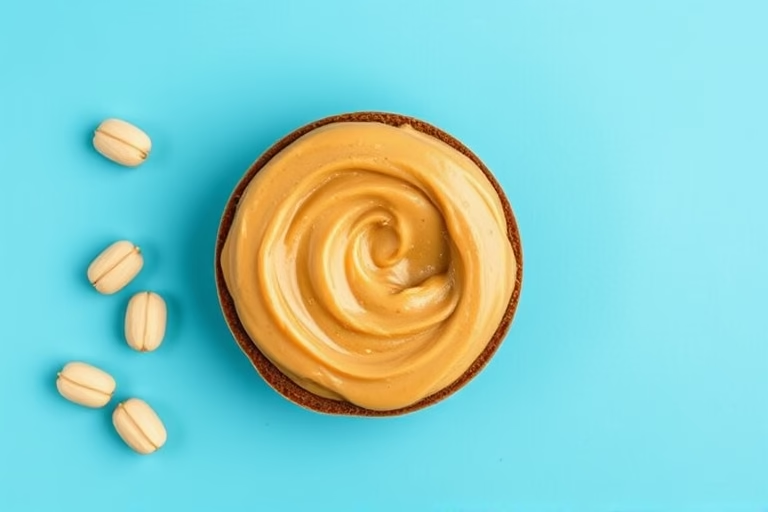
We will be talking about whether peanut butter is good for low blood pressure. Low blood pressure, or hypotension, occurs when blood pressure readings are lower than normal. Symptoms can include dizziness, fainting, fatigue, and in severe cases, shock. Maintaining a healthy blood pressure is crucial for overall health. Dietary choices play a significant role in managing blood pressure levels. Foods high in certain nutrients can positively influence blood pressure. Peanut butter, a beloved spread, is rich in nutrients, including healthy fats, protein, and potassium. This blog will explore the relationship between peanut butter and low blood pressure, offering insights into how it can be incorporated safely into your diet to potentially benefit your health.
What is Low Blood Pressure?
Low blood pressure, also known as hypotension, is defined as a blood pressure reading below 90 systolic or 60 diastolic. It can result in various symptoms, including dizziness, fatigue, and light-headedness, particularly when standing up. In some cases, low blood pressure can lead to fainting and more serious complications. It can be triggered by dehydration, blood loss, nutrient deficiencies, and certain medical conditions. Understanding blood pressure dynamics is essential for maintaining overall health. Adequate nutrition, particularly foods high in potassium, sodium, and healthy fats, can help regulate blood pressure effectively. This brings us to peanut butter, which holds several beneficial properties that may support healthy blood pressure levels.
Nutritional Value of Peanut Butter
Peanut butter is a nutrient-dense food that offers a variety of essential vitamins and minerals. A standard serving of peanut butter contains healthy monounsaturated fats, which support cardiovascular health. It also has a good protein content that can help keep you full and satisfied. Peanut butter is rich in vitamin E, magnesium, potassium, and niacin, all of which contribute to better heart health and may impact blood pressure positively.
Peanut Butter and Heart Health
Heart health is intricately linked to blood pressure. A diet rich in heart-healthy foods like peanut butter can help manage blood pressure levels. The monounsaturated fats found in peanuts can help lower bad cholesterol levels and promote better circulation. Incorporating peanut butter into a balanced diet can provide vital nutrients required for heart health, ultimately influencing blood pressure regulation.
Potassium: A Key Player in Blood Pressure Regulation
Potassium is a crucial mineral that helps maintain healthy fluid balance in the body. Peanut butter contains a moderate amount of potassium. Consuming potassium-rich foods can help offset sodium intake, which is important for those managing low blood pressure. Increased potassium can help relax blood vessel walls, thus lowering blood pressure. Regular intake of potassium from peanut butter may be beneficial for individuals dealing with hypotension.
Healthy Fats in Peanut Butter
The healthy fats found in peanut butter play a significant role in overall health. Monounsaturated fats are known to enhance heart health by improving cholesterol levels. When incorporated into a balanced diet, these fats can help control blood pressure levels, supporting cardiovascular function. Opting for natural peanut butter without added sugars or hydrogenated fats can maximize health benefits while managing blood pressure effectively.
Incorporating Peanut Butter into Your Diet
Incorporating peanut butter into your diet can be enjoyable and beneficial. You can spread it on whole-grain toast, blend it into smoothies, or use it in salad dressings. It can also complement fruits and vegetables, enhancing their nutritional value. Finding creative ways to include peanut butter can help ensure that you benefit from its health properties while enjoying your meals.
Potential Risks of Peanut Butter
While peanut butter can be beneficial, it’s essential to consume it mindfully. Some individuals may have allergies or sensitivities to peanuts. Additionally, consuming peanut butter in excess can lead to higher calorie intake, which may contribute to weight gain. Monitoring portion sizes and opting for natural varieties without added sugars or oils can help mitigate potential risks while reaping health benefits.
Peanut Butter vs. Other Nut Butters
Comparing peanut butter with other nut butters can offer perspective on dietary choices. Almond butter, cashew butter, and sunflower seed butter also provide health benefits. However, peanut butter stands out for its protein content and unique flavor. Each nut butter comes with its own set of vitamins and minerals, so exploring various nut butters can help diversify your nutrient intake while managing blood pressure levels.
Mindful Eating Practices
Mindful eating practices can enhance the benefits of peanut butter. Paying attention to portion sizes and selecting natural peanut butter can support your health journey. Combining peanut butter with other nutrient-rich foods, such as fruits and whole grains, can elevate your meals and help regulate blood pressure. Being aware of your body’s reactions to these foods can be immensely helpful in managing health.
Conclusion
Peanut butter can be a valuable addition to the diet of someone dealing with low blood pressure. Its rich nutritional profile, including healthy fats, potassium, and essential vitamins, supports heart health and may aid in maintaining appropriate blood pressure levels. Incorporating peanut butter mindfully and pairing it with other nutritious foods can enhance your meals and promote better health outcomes.
However, it’s important to remember that individual responses to foods can vary. Always consult with a healthcare provider or dietitian to tailor dietary choices that align best with your specific health needs. By understanding the benefits of peanut butter and using it wisely, you may effectively support your blood pressure management.
Frequently Asked Questions
1. Is peanut butter safe for everyone?
Yes, in general, peanut butter is safe for most individuals. However, those with peanut allergies should avoid it.
2. Can peanut butter help increase blood pressure?
Peanut butter may help maintain healthy blood pressure levels due to its nutrient profile. It should be incorporated mindfully into the diet.
3. Is there a difference between natural and processed peanut butter?
Yes, natural peanut butter typically contains fewer additives and added sugars compared to processed varieties. Choosing natural is often healthier.
4. How much peanut butter should I consume daily?
A standard serving size is 2 tablespoons. However, it’s important to consider overall calorie intake and nutritional needs.
5. Can I eat peanut butter if I am on medication for low blood pressure?
It’s best to consult with your healthcare provider regarding dietary choices when on medication, as interactions may vary based on individual health conditions.
Further Reading
What Type of Psychotherapy Is Best for Anxiety?