“`html
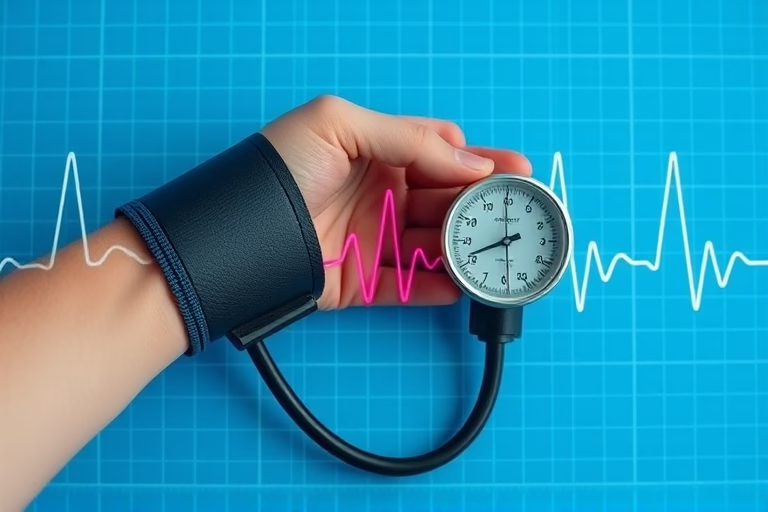
In this article, we will be talking about does ECG measure blood pressure. The electrocardiogram (ECG or EKG) is a widely used diagnostic tool to assess heart health. It works by recording the electrical activity of the heart over a period. This can provide vital information regarding heart rhythm and structure. However, many people often confuse the ECG with other heart-related diagnostic tools, particularly when it comes to measuring blood pressure. Blood pressure is a crucial indicator of one’s cardiovascular health, typically measured using a sphygmomanometer. Unlike blood pressure monitoring devices, ECGs do not provide direct readings of blood pressure levels, but they can highlight heart issues that may be linked to blood pressure abnormalities. This article delves into the relationship between ECGs and blood pressure measurements, offering clarity on what each tool does.
Understanding ECG and Its Purpose
An ECG measures the electrical impulses of the heart to create a graphical representation of heart activity. It helps detect irregular heartbeats (arrhythmias), heart attacks, and other cardiovascular diseases. The information derived from an ECG is crucial for diagnosing various heart conditions and monitoring the health of patients with known heart diseases. The ECG test involves electrodes placed on the skin, and while it offers insights into the heart’s function, it does not provide blood pressure readings. Instead, ECG results can indicate potential hypertension or other anomalies that can prompt further blood pressure testing.
How Does Blood Pressure Work?
Blood pressure refers to the force exerted by circulating blood on the walls of blood vessels. It is expressed in two numbers: systolic pressure (the force when the heart beats) and diastolic pressure (the force when the heart rests between beats). Normal blood pressure is considered to be around 120/80 mmHg. High blood pressure (hypertension) can lead to serious health issues like heart disease and stroke. Blood pressure is typically measured with a cuff, and while ECGs cannot replace this measurement, both can work together to provide a comprehensive view of cardiovascular health.
The Difference Between ECG and Blood Pressure Monitors
While both ECGs and blood pressure monitors are essential tools in assessing heart health, their functions differ significantly. An ECG primarily records the electrical activity of the heart, while blood pressure monitors measure the force of blood against arterial walls. The diagnostic capabilities of each tool complement each other; for instance, an irregular ECG may lead to blood pressure monitoring if hypertension is suspected. Therefore, understanding the roles of both tools is important for accurate diagnosis and effective treatment.
Why Measuring Blood Pressure is Important
High blood pressure often goes unnoticed as it may not present noticeable symptoms. Regular measurements can help detect hypertension early, which is crucial for preventing complications such as heart attack or stroke. Medical professionals recommend routine blood pressure checks, especially for individuals with risk factors such as obesity, a sedentary lifestyle, or a history of heart disease in their family. While an ECG can provide additional data on the heart’s condition, it should not be used as a substitute for regular blood pressure monitoring.
ECG and Its Role in Heart Disease Detection
Cardiovascular diseases often manifest as abnormalities in an ECG reading. Conditions such as atrial fibrillation and heart ischemia will show distinct patterns on an ECG that can prompt further investigation into a patient’s blood pressure and overall heart health. An abnormal ECG result can lead healthcare providers to prescribe lifestyle changes or medications aimed at improving heart health, which may also influence blood pressure readings positively.
Combining ECG and Blood Pressure Monitoring for Overall Heart Health
The combined use of ECG and blood pressure monitoring provides a comprehensive picture of a person’s cardiovascular health. Regular ECG monitoring can catch problems early, leading to timely intervention that can stabilize or improve blood pressure levels. Physicians often recommend a simultaneous approach where a patient is monitored for both parameters, allowing for a more informed healthcare strategy.
What to Expect During an ECG Test
During an ECG test, patients will typically lie down while several electrodes are placed on their chest, arms, and legs. The procedure is quick, usually taking around 10 minutes, and is painless. It allows the physician to see how the heart is functioning in real-time. However, it’s important to note that patients will still require a separate blood pressure evaluation to assess circulatory health comprehensively.
Limitations of ECG Regarding Blood Pressure Evaluation
While ECG is a valuable diagnostic tool, its limitations in measuring blood pressure should be recognized. An ECG does not offer any direct blood pressure readings. Therefore, for a complete health assessment, doctors will utilize both ECG and blood pressure measurements. Understanding these limitations is essential for patients to ensure that they receive proper cardiovascular care.
Key Health Tips for Maintaining Cardiovascular Health
To maintain cardiovascular health, individuals should adopt a heart-healthy lifestyle. This includes regular exercise, a balanced diet rich in fruits and vegetables, and controlling weight. Regular check-ups for blood pressure and ECG can also help detect potential problems early. Additionally, managing stress and avoiding smoking can significantly contribute to heart health.
Conclusion
Understanding the relationship between does ECG measure blood pressure is vital for optimally managing cardiovascular health. While ECG testing provides crucial insights into heart function, it does not measure blood pressure directly. Conversely, blood pressure monitoring offers essential data on the circulatory system. Regular use of both diagnostic tools is important for early detection and management of heart diseases. Patients should be proactive in their health by scheduling regular check-ups and adopting a healthy lifestyle capable of supporting both heart function and blood pressure control. When combined, these assessments ensure a comprehensive view of heart health and assist healthcare providers in making informed decisions.
Frequently Asked Questions
- Can an ECG detect high blood pressure? While an ECG cannot directly measure blood pressure, it can reveal heart conditions that may be related to high blood pressure.
- How often should I get an ECG? ECG frequency depends on individual health status. Consult your physician for personalized recommendations.
- Is ECG painful? No, the process is painless and takes only about 10 minutes to complete.
- What lifestyle changes can help with blood pressure? A balanced diet, regular exercise, reducing stress, and avoiding smoking can significantly help in managing blood pressure.
- Should I have an ECG if I have normal blood pressure? It depends on your individual health circumstances; consult your healthcare provider for specific advice.
“`
Further Reading
What Type of Psychotherapy Is Best for Anxiety?