“`html
In this article, we will be talking about does HCG raise blood pressure. Human Chorionic Gonadotropin (HCG) is a hormone that is naturally produced in the body during pregnancy. It plays a crucial role in several physiological functions, including the regulation of other hormones. Recently, HCG has gained attention in the realms of weight loss and fertility treatments. However, its impact on blood pressure is a significant concern for individuals considering HCG therapy. Blood pressure is a vital health indicator that can influence overall well-being, so understanding whether HCG raises blood pressure is essential. This article will comprehensively explore the relationship between HCG and blood pressure, provide insights into its mechanisms, discuss potential side effects, and offer advice for safe use. In doing so, we aim to equip readers with the necessary knowledge to make informed decisions regarding HCG therapy and its implications for blood pressure.
Understanding HCG and Its Function
Human Chorionic Gonadotropin (HCG) is a glycoprotein hormone produced by the placenta shortly after conception. HCG is instrumental in maintaining pregnancy; it ensures the corpus luteum produces progesterone during the early stages of pregnancy, thus providing a suitable environment for fetal development. Given its role in hormone regulation, HCG has garnered interest in various medical applications, particularly in fertility treatments and weight loss protocols. For individuals struggling with infertility, HCG injections can stimulate ovulation and help in establishing pregnancy. On the other hand, in weight loss programs, particularly those limiting caloric intake, HCG is thought to aid in fat mobilization while preserving lean muscle mass. Understanding its function clarifies concerns regarding its safety, including the potential for increased blood pressure, an essential aspect for those contemplating HCG-based treatments.
HCG and Blood Pressure: The Connection
The relationship between HCG and blood pressure is a complex one. While HCG is essential for maintaining pregnancy and regulating various hormonal functions, concerns have been raised regarding its use in non-pregnant individuals, particularly in association with weight loss programs. Studies suggest that HCG may have the potential to influence blood pressure by altering fluid balance and weight. When people undergo HCG treatment, they often experience significant weight loss; this rapid change can transiently affect blood pressure levels. Additionally, HCG may interact with the renin-angiotensin system, a critical regulator of blood pressure. This interaction could lead to changes in vascular resistance and fluid retention, both of which might result in increased blood pressure. Therefore, monitoring blood pressure during HCG therapy is crucial, especially for individuals with pre-existing hypertension or cardiovascular issues.
Potential Side Effects of HCG Therapy
HCG therapy, like any medical treatment, is associated with potential side effects. These include headaches, mood swings, and the risk of blood clots. When considering HCG for weight loss or fertility treatment, individuals must understand these risks and monitor their bodies closely. One significant concern is its effect on blood pressure. Some users have reported fluctuations in blood pressure during HCG treatment, occasionally leading to elevations that could pose health risks. For individuals with a history of hypertension or cardiovascular problems, it is vital to consult a healthcare professional before starting HCG therapy. Regular monitoring of blood pressure can help manage any undesirable fluctuations that may lead to significant health concerns.
The Role of Diet in HCG Therapy
When using HCG as part of a weight loss strategy, diet plays a fundamental role. The HCG diet typically involves a very low-calorie intake, which can contribute to rapid weight loss but may also result in nutrient deficiencies and potential electrocyte imbalances. These dietary changes can adversely affect blood pressure regulation, especially if sodium intake increases or essential electrolytes are depleted. It is important for individuals to focus on a balanced diet that supports overall health while participating in HCG programs. Consulting with a nutritionist can help create a regimen that ensures well-rounded nutrition while minimizing the risk of adverse effects on blood pressure.
Monitoring Blood Pressure During HCG Treatment
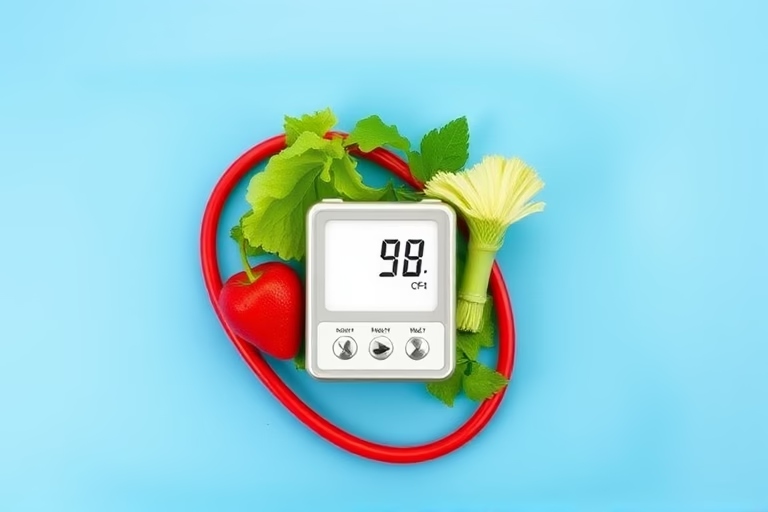
Monitoring blood pressure during HCG therapy is essential for ensuring safety and effectiveness, especially for individuals with prior health conditions. Regular blood pressure checks can help identify unusual spikes or drops early, allowing for timely interventions. The essential practice for achieving accurate readings includes taking measurements at the same time each day, using a calibrated blood pressure monitor, and ensuring proper technique while measuring. Many individuals underestimate the impact of stress and anxiety on blood pressure readings. Thus, combining relaxation techniques with routine monitoring can provide a more accurate representation of blood pressure levels throughout the HCG treatment. Such proactive measures promote a safer therapeutic experience.
Consulting Healthcare Professionals
Consulting healthcare professionals is crucial before starting HCG therapy, particularly for those with existing health concerns. A healthcare provider can evaluate individual health status, assess the need for HCG therapy, and determine the most appropriate treatment plan. This assessment is vital for understanding the potential benefits and risks associated with HCG in the context of blood pressure and overall health. Additionally, healthcare professionals can recommend appropriate monitoring strategies and lifestyle modifications to support health during HCG treatment. Engaging in honest conversations with medical experts can enhance patient safety and facilitate successful outcomes throughout HCG therapy.
Long-Term Health Considerations with HCG
Long-term health considerations are vital when evaluating HCG therapy. For individuals undergoing HCG-based weight loss or fertility treatments, understanding the potential long-term effects on health, including blood pressure, is critical. Some studies suggest that weight loss can lead to sustained improvements in blood pressure levels; however, this is highly variable among individuals and depends on lifestyle choices, genetic predispositions, and adherence to post-treatment recommendations. Emphasizing a balanced diet, physical activity, and routine health checks can optimize the benefits of HCG treatment, enabling individuals to maintain their weight loss or fertility success while minimizing potential risks to their cardiovascular health.
The Benefits of HCG Beyond Weight Loss
While many associate HCG with weight loss, the hormone has several benefits beyond shedding pounds. HCG therapy can positively impact fertility by inducing ovulation and supporting pregnancy. Furthermore, some studies indicate that HCG may help balance hormones in individuals experiencing hormonal imbalances or disorders. This hormone’s multifaceted applications emphasize the need for thorough research and medical guidance. Those considering HCG treatments for weight loss should also assess its potential benefits for overall health, particularly in hormone regulation, while remaining aware of its impact on blood pressure. Reviewing the broader implications of HCG therapy can shape more informed, health-centered decisions.
Exploring Alternatives to HCG
While HCG therapy has gained popularity for weight loss and fertility treatments, exploring alternatives can be beneficial for individuals seeking other options. Many safe and effective weight-loss programs provide gradual, sustainable results without the potential risks associated with HCG. From dietary changes focusing on whole foods to increased physical activity, these alternatives can support long-term health without negatively impacting blood pressure. Additionally, several fertility treatments exist, including hormonal medications and assisted reproductive technologies. Individuals should engage with healthcare providers to understand all available options, taking into account their health, lifestyle, and long-term goals.
Conclusion
In summary, the relationship between does HCG raise blood pressure is complex and multifaceted. Human Chorionic Gonadotropin serves significant roles in the body, from pregnancy maintenance to potential weight loss aid. However, understanding its effects on blood pressure is paramount, especially for individuals with pre-existing health conditions or those undergoing weight loss protocols. Monitoring overall health, including blood pressure, during HCG therapy is essential for safety, as various factors play crucial roles in its impact.
Individuals should prioritize regular consultations with healthcare professionals, nutritional guidance, and routine health assessments. Such measures will empower them to navigate the intricacies of HCG therapy while protecting their cardiovascular health. In light of the diverse applications of HCG, exploring its benefits alongside associated risks can facilitate more informed decision-making. Furthermore, recognizing alternative treatments might align better with personal health profiles, fostering greater long-term success.
As more research emerges on HCG’s role in health and wellness, individuals should remain aware of the implications of using this hormone for weight loss or fertility and understand its effects on blood pressure regulation. Remaining patient-centered, taking proactive health measures, and accessing available information will create a pathway to healthier outcomes despite the complexities surrounding HCG therapy.
Frequently Asked Questions (FAQs)
1. Does HCG definitely raise blood pressure?
While some users may experience elevated blood pressure during HCG therapy, there’s no definitively established connection for everyone. Individual responses may vary.
2. Can I take HCG if I have high blood pressure?
It is essential to consult a healthcare professional before starting HCG therapy if you have high blood pressure or similar health conditions.
3. How can I monitor blood pressure during HCG treatment?
Regular monitoring, using a calibrated blood pressure monitor and ensuring consistent technique, can help track blood pressure effectively.
4. What other dietary considerations should I keep in mind while on HCG?
It is important to maintain a balanced intake of essential nutrients and stay hydrated while adhering to the dietary protocols associated with HCG.
5. Are there alternative options to HCG for weight loss or fertility treatments?
Yes, various weight loss programs and fertility treatments are available, and it is advisable to consult a healthcare provider for personalized recommendations.
“`
Further Reading
What Type of Psychotherapy Is Best for Anxiety?