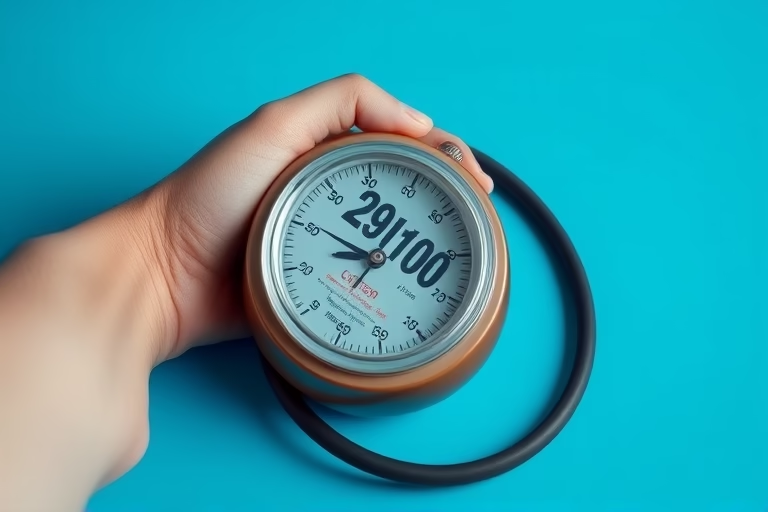
We will be talking about blood pressure high when I wake up. Elevating blood pressure upon waking can be a significant health concern, often affecting daily life. This condition, medically known as morning hypertension, may occur due to various factors like sleep quality, dietary habits, or even underlying health issues. Understanding why blood pressure spikes when you wake up can be essential in managing your health. A consistent increase in blood pressure in the morning can elevate the risk of cardiovascular diseases, stroke, and other serious health complications.
Blood pressure, measured in millimeters of mercury (mmHg), represents the force of blood against the walls of arteries. The two values in a blood pressure reading are systolic (the higher number) and diastolic (the lower number). A normal blood pressure reading is usually around 120/80 mmHg. However, when morning readings exceed 130/80 mmHg, it may indicate hypertension. The phenomenon of high blood pressure upon waking can arise from several factors, including poor sleep quality, stress, medication, diet, and physical inactivity. Understanding these causes is critical to managing overall health and wellbeing.
1. Causes of Morning Hypertension
High blood pressure in the morning can result from multiple physiological and environmental factors. One significant cause is the body’s natural circadian rhythms, which control various functions, including hormone secretion. Hormones like cortisol and adrenaline tend to peak in the morning, stimulating your heart and increasing blood pressure. Furthermore, factors such as sleep apnea can also lead to morbidly high blood pressure levels upon waking. Lifestyle influences, including poor diet, lack of exercise, stress, and consumption of alcohol or caffeine, can significantly affect your morning blood pressure readings. Addressing these factors is vital in managing high blood pressure.
2. The Role of Sleep Quality
Quality sleep is integral to maintaining healthy blood pressure levels. Insufficient sleep can lead to increased stress hormones, raising blood pressure when you wake up. Studies show that individuals suffering from sleep disorders like insomnia or sleep apnea are at a higher risk of developing hypertension. To improve sleep quality, consider creating a restful environment, adhering to a sleep schedule, and implementing relaxation techniques. Additionally, prioritizing deep sleep can help regulate your body’s cortisol levels, primarily responsible for blood pressure fluctuations.
3. Impact of Stress on Blood Pressure
Stress can induce temporary spikes in blood pressure, leading to sustained issues if chronic. When faced with stress, your body produces hormones like adrenaline, which can elevate heart rate and blood pressure. Managing stress through methods like mindfulness, meditation, or regular physical activity can help lower morning hypertension. Establishing strong support systems and seeking counseling can also be beneficial as effective stress management plays a crucial role in keeping blood pressure under control.
4. Lifestyle Choices Affecting Blood Pressure
Lifestyle choices significantly influence blood pressure levels. Diet plays a crucial role; excessive sodium intake can lead to water retention, increasing blood pressure. Adopting a balanced diet rich in fruits, vegetables, whole grains, and healthy fats can promote stable blood pressure levels. Regular physical activity is equally important, as it strengthens the cardiovascular system and regulates blood pressure. Smoking and excessive alcohol consumption should be minimized, as they can exacerbate hypertension when you wake up.
5. The Connection Between Diet and Hypertension
Your diet significantly affects your blood pressure. High sodium intake is one of the leading causes of hypertension. Processed foods often contain excessive salt, contributing to high morning blood pressure. Instead, focusing on a diet rich in potassium, magnesium, and fiber from fresh fruits, vegetables, and whole grains can help lower blood pressure. The DASH (Dietary Approaches to Stop Hypertension) diet is specifically designed to combat high blood pressure and can be beneficial for people experiencing high levels upon waking.
6. Medication and Its Effects
Many individuals take medications for hypertension that can influence their blood pressure readings in the morning. If medications are not taken as prescribed, or if there is an interaction with other drugs, it can lead to elevated blood pressure levels upon waking. It is crucial to consult with your healthcare provider for tailored advice regarding blood pressure medications and ensure that they are working effectively for your unique situation.
7. Monitoring Blood Pressure at Home
Regular monitoring of blood pressure can help individuals understand their body’s patterns better. Using a home blood pressure monitor allows for accurate, consistent readings, particularly in the morning. Keeping a log of these readings can help identify patterns, prioritize health management, and allow for informed discussions with your healthcare provider. Consistency in timing and conditions of measurements can lead to more reliable data and better management decisions.
8. When to Seek Medical Help
If you notice consistent high readings upon waking, do not hesitate to seek medical advice. It is essential to rule out any underlying health issues that could be causing morning hypertension. Your healthcare provider may recommend tests, medication adjustments, or lifestyle changes tailored to your condition. Early diagnosis and intervention can mitigate risks associated with chronic hypertension and lead to improved health outcomes.
9. The Importance of Regular Check-Ups
Regular check-ups with your healthcare provider can play an integral role in managing blood pressure. Annual or biannual visits can help monitor your blood pressure and assess risk factors. If you’re concerned about high blood pressure, especially in the morning, convey these thoughts to your physician. They may suggest additional screenings or lifestyle modifications suited to your status. Regular visits can help you stay informed and vigilant about managing your health.
10. Understanding Your Body’s Signals
Everyone’s body responds differently. Becoming familiar with how your body reacts to various factors can be invaluable in managing blood pressure. Keep track of your symptoms, recognize triggers, and respond proactively to your body’s signals. Understanding your specific responses allows for more personalized choices in your lifestyle and health management. Pay attention not just to blood pressure readings but also to how you feel overall.
Conclusion
High blood pressure upon waking can pose serious health risks and should not be taken lightly. Compounding factors such as lifestyle choices, stress levels, poor sleep quality, and dietary habits can contribute to this condition. Understanding your body’s signals, monitoring blood pressure regularly, and maintaining open communication with healthcare providers can foster constructive actions to manage high blood pressure effectively. Remember, early diagnosis and intervention are vital to mitigating risks associated with hypertension and ensuring a healthier future. Personal health is a reflection of the choices and habits developed over time; striving to cultivate a healthier lifestyle can greatly influence morning blood pressure levels.
Here are five frequently asked questions and their answers regarding high blood pressure upon waking:
1. What is considered high blood pressure in the morning?
High blood pressure in the morning is typically defined as a reading above 130/80 mmHg. However, individual circumstances may vary, necessitating a discussion with your healthcare provider for personalized guidance.
2. Can anxiety increase morning blood pressure?
Yes, anxiety can trigger the release of stress hormones, causing temporary spikes in blood pressure when you wake up. Effective stress management techniques can help lower these readings.
3. Is morning hypertension a common issue?
Many people experience morning hypertension, especially those with existing health conditions or poor lifestyle choices. It’s important to be aware of patterns in your blood pressure readings.
4. How can I lower my blood pressure in the morning?
To lower morning blood pressure, focus on improving sleep quality, managing stress, ensuring a balanced diet, and maintaining regular physical activity. Consultation with a healthcare provider is also advisable.
5. Should I be worried if my blood pressure is high in the morning?
Consistently high blood pressure readings upon waking can be a sign of underlying health concerns. It is crucial to consult with a healthcare provider to discuss your readings and receive tailored advice.
Further Reading
What Type of Psychotherapy Is Best for Anxiety?