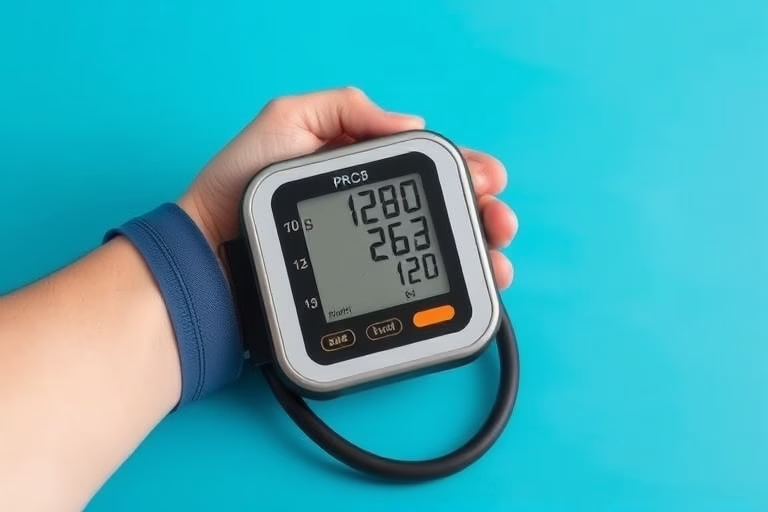
In this article, we will be talking about what does palp mean in blood pressure. Understanding blood pressure readings is crucial for maintaining cardiovascular health. Blood pressure is measured using two components: systolic and diastolic pressure. These values help determine how effectively blood is flowing through the arteries. A lesser-known term that comes into play with blood pressure readings is “palp.” This term is intrinsically linked to palpation, a technique used by healthcare professionals to gauge blood pressure through feeling rather than relying solely on machines. It provides an alternative method for assessing blood pressure, particularly in emergency or clinical settings, where quick evaluations are needed. When someone mentions palp in association with blood pressure, they are typically referring to the sensation of blood flow through the arteries during a palpation exam. This can give professionals a valuable insight into blood pressure status, vascular health, and potential anomalies that need addressing.
Understanding Blood Pressure Basics
Blood pressure is a measurement of the force exerted by circulating blood against the walls of the body’s arteries. It is expressed in millimeters of mercury (mmHg) and consists of two numbers. The first number, or systolic pressure, measures the pressure in the arteries when the heart beats. The second number, known as diastolic pressure, measures the pressure in the arteries when the heart rests between beats. A normal blood pressure reading is generally considered to be around 120/80 mmHg. Keeping track of blood pressure is essential for preventing serious health issues such as heart disease and stroke.
What is Palpation?
Palpation is a medical technique where a healthcare professional uses their hands to feel the body’s tissues. This method provides direct information about various health conditions, including blood pressure. During palpation, the caregiver can assess the strength, rhythm, and quality of the pulse. This information is particularly useful in situations where traditional blood pressure measurement might not be feasible. Understanding palpation can offer insights into the cardiovascular function and overall health of an individual.
Why Palpation is Important for Blood Pressure Measurement
Palpation is essential for evaluating blood pressure, especially in emergency situations. When electronic devices are not available, professionals can rely on their tactile senses to assess the patient’s condition. It is particularly useful for patients with irregular heartbeats, where traditional measurements might be inaccurate. Palpation can also serve as a preliminary step, helping to identify individuals who may need immediate medical intervention.
How to Take Blood Pressure Using Palpation
Taking blood pressure through palpation involves feeling the pulse at certain points on the body, such as the radial or brachial arteries. The healthcare provider squeezes the artery to find the moment when they can no longer feel the pulse. This provides a direct understanding of the blood pressure level. Learning proper palpation techniques can help professionals quickly assess cardiovascular health when other methods are unavailable.
Limitations of Palpatory Techniques
While palpation can be beneficial, it does have its limitations. This method is subjective and relies heavily on the healthcare provider’s experience and skill. Palpation may not provide accurate readings in patients with certain conditions, such as arteriosclerosis or extremely low blood pressure, making it essential to use this method in conjunction with traditional blood pressure measurements when possible. Healthcare professionals must be well-trained to interpret palpation findings accurately to avoid potential misdiagnoses.
Palpation vs. Automated Blood Pressure Monitoring
Automated blood pressure monitoring has become the gold standard in many clinical settings due to its accuracy and ease of use. However, palpation can still provide useful information, especially in certain clinical situations. For example, if the automated device fails or if the patient is in shock, palpation can offer immediate insights without needing equipment. Understanding the pros and cons of each method helps healthcare providers deliver the best care possible.
Interpreting Pulse Qualities During Palpation
When palpating for blood pressure, the healthcare provider assesses various qualities of the pulse, including its strength, regularity, and rhythm. A strong, regular pulse may indicate healthy blood pressure, while a weak or irregular pulse can signal underlying issues. Being able to interpret these characteristics is essential for making informed clinical decisions and providing appropriate interventions.
Palpation in Special Populations
Special populations, such as elderly patients or those with comorbidities, might not have traditional blood pressure readings that accurately reflect their health status. In these cases, palpation can serve as an invaluable tool for assessing cardiovascular health. Understanding the unique needs of these populations is essential for tailoring treatment approaches and ensuring optimal care.
Common Conditions Affecting Blood Pressure Readings
Several factors can impact blood pressure readings, including stress, diet, physical activity, and existing medical conditions. Conditions such as hypertension, diabetes, and heart disease can complicate blood pressure measurement and require careful interpretation of both traditional and palpatory findings. Being aware of these conditions can help healthcare professionals better understand the implications of palpation results.
Future of Palpation in Blood Pressure Measurement
The future of palpation as a method for measuring blood pressure may evolve with advancements in technology and medical practices. While it may not replace automated methods, its importance in specific healthcare settings will likely remain. Continued education and training are essential for healthcare providers to ensure they can integrate palpation effectively into their practice.
In conclusion, understanding the term palp and its relationship to blood pressure is crucial for both healthcare professionals and patients. Recognizing how palpation can aid in measuring blood pressure can provide valuable insights into a person’s cardiovascular health, especially in situations where devices are not readily available. While automated methods remain the preferred choice, palpation is a vital skill that can assist in a variety of clinical settings.
Frequently Asked Questions
1. What does “palp” mean in blood pressure readings?
“Palp” refers to the process of palpation, where a healthcare professional feels the pulse to assess blood pressure without using a traditional device.
2. How can I measure blood pressure through palpation?
To measure blood pressure through palpation, healthcare providers feel the pulse at specific points on the body, assessing the strength and rhythm of the pulse.
3. Are palpatory techniques accurate?
While palpatory techniques can provide valuable insights, they are subjective and may not always be accurate. They are best used alongside traditional measurement methods.
4. When is palpation most useful for blood pressure assessment?
Palpation is particularly useful in emergency situations where devices are unavailable or in patients with irregular heartbeats.
5. Can palpation replace automated blood pressure monitoring?
No, while palpation has its merits, it should not replace automated blood pressure monitoring. Instead, it should complement it, especially in special cases.
Further Reading
What Type of Psychotherapy Is Best for Anxiety?