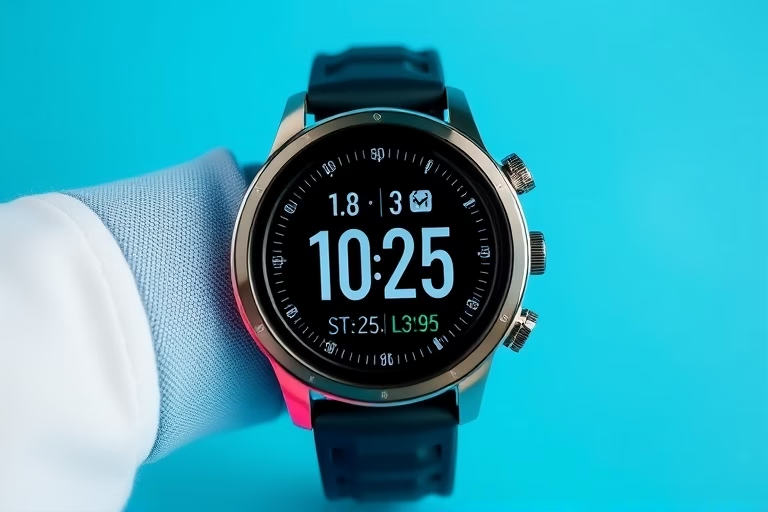
In recent years, smartwatches have gained significant popularity for their ability to monitor various health parameters. One question that frequently arises is, **do any smartwatches measure blood pressure?** Understanding this feature is crucial for individuals looking to manage their health more effectively. Blood pressure management is vital as it plays a key role in preventing heart diseases and strokes. Smartwatches with blood pressure monitoring capabilities can offer a convenient, user-friendly way to track cardiovascular health. By compiling data on blood pressure levels, these devices can help users identify trends and potential health issues before they become significant concerns.
Understanding Blood Pressure
Blood pressure is the force exerted by circulating blood against the walls of blood vessels. It’s measured in two values: systolic and diastolic pressure. The systolic reading occurs when the heart beats and pumps blood, while diastolic pressure measures the pressure in the arteries when the heart rests between beats. Maintaining a normal blood pressure level is essential for overall health. High blood pressure (hypertension) can lead to serious health issues, including heart disease, kidney failure, and stroke. Regular monitoring is fundamental, and smartwatches have emerged as an innovative solution to help individuals keep track of their blood pressure without needing to visit a clinic frequently.
How Smartwatches Measure Blood Pressure
Many smartwatches utilize a combination of technologies to measure blood pressure. Most commonly, they use optical sensors alongside electrocardiogram (ECG) technologies. Optical sensors, like photoplethysmography, analyze blood flow through the skin, while ECG measures the heart’s electrical activity. By combining these readings, smartwatches can provide an estimation of blood pressure. They often require users to calibrate the device using a traditional cuff-based blood pressure monitor to ensure accuracy. Regular calibration is necessary for consistent readings.
Popular Smartwatches with Blood Pressure Monitoring Features
Several brands have developed smartwatches capable of measuring blood pressure. Some notable models include the **Samsung Galaxy Watch 3**, **Omron HeartGuide**, and the latest **Apple Watch series**. These devices not only track blood pressure but also offer a range of health features, including heart rate monitoring, sleep tracking, and activity tracking. In general, the more advanced the smartwatch, the more data it can provide users about their overall health posture. However, consumers should review specifications and confirm the blood pressure monitoring features before purchasing a smartwatch.
Accuracy of Blood Pressure Measurements in Smartwatches
Accuracy is a significant concern for consumers considering using smartwatches for blood pressure monitoring. While advancements in technology have improved measurement precision, smartwatches may not always provide results comparable to traditional blood pressure cuffs. Studies have indicated that some smartwatches can have variances in readings due to motion, improper calibration, or incorrect positioning of the device on the wrist. It is essential for users to understand these limitations and view the smartwatch data as a guide rather than a definitive medical diagnosis. For critical conditions, consulting healthcare professionals is advisable for accurate assessments.
Benefits of Monitoring Blood Pressure with Smartwatches
Using smartwatches to track blood pressure has numerous benefits. Firstly, the convenience of continuous monitoring allows users to gain insights into their health patterns over time. This continuous data collection can lead to better understanding and management of blood pressure levels. Secondly, having accessible health data can empower users to make lifestyle changes, seek medical advice, or adhere to treatment plans when they notice concerning trends. Additionally, many smartwatches offer reminders for medication or encourage physical activity, both of which can significantly impact blood pressure management.
Limitations and Concerns about Smartwatch Blood Pressure Monitoring
Despite their advantages, there are limitations and concerns with using smartwatches for blood pressure monitoring. Users should consider that most smartwatches cannot replace professional healthcare devices. The readings may not always be accurate, especially in the presence of certain health conditions or when the device is not properly calibrated. There are also privacy concerns regarding the data collected by smartwatch applications. While many manufacturers take measures to ensure user privacy, the risk of data breaches exists. Moreover, individuals with underlying health issues should consult a healthcare provider before relying solely on smartwatch data for health management.
The Future of Smartwatches in Health Monitoring
The future of smartwatches in health monitoring looks promising as technology continues to advance. Developers are focusing on enhancing the accuracy and reliability of health features. Research is ongoing into how machine learning algorithms can improve data interpretation, making readings even more precise. Additionally, as wearable technology becomes increasingly integrated into healthcare systems, we may see smartwatches support personal health records and collaborate with medical professionals. As these devices evolve, they will likely become critical components in everyday health management practices.
Comparing Smartwatches and Traditional Blood Pressure Monitors
Choosing between a smartwatch and a traditional blood pressure monitor involves weighing the pros and cons of each. Traditional monitors usually rely on the oscillometric method and are considered the gold standard in measuring blood pressure. They typically offer more accurate results compared to smartwatches. Conversely, smartwatches provide convenience and combine multiple health-monitoring features in one device. However, those looking for precise and reliable health metrics may prefer to have both a smartwatch and a traditional monitor to manage their health effectively.
Tips for Effective Blood Pressure Monitoring with Smartwatches
For those using smartwatches for blood pressure monitoring, there are several tips to ensure effective readings. First, users should always calibrate their smartwatch with a reliable blood pressure cuff for maximum accuracy. Additionally, they should maintain consistency in monitoring by taking readings at the same times each day and under similar circumstances to account for fluctuations caused by activity or stress levels. Users should also keep their smartwatches charged and well-maintained to avoid inaccurate measurements due to low battery performance. Finally, regular consultation with healthcare professionals is advised to interpret the data effectively.
Understanding the Regulatory Aspects
As smartwatches increasingly incorporate health monitoring features, regulations governing these devices are evolving. In many regions, health authorities mandate that wearable devices undergo specific testing to ensure accuracy and safety. For consumers, understanding the credentials and certifications of a smartwatch can offer reassurance regarding its reliability. Many manufacturers are also soliciting partnerships with healthcare professionals to align their products with medical standards. However, it’s crucial for consumers to remain informed about these regulatory developments to avoid relying on unregulated devices.
In conclusion, while many **smartwatches can measure blood pressure**, they should not be viewed as direct substitutes for traditional blood pressure monitors. Their functionality provides a convenient avenue for users to track their health progress over time. Understanding how they work, their accuracy, and their limitations allows individuals to make informed decisions. In light of rising health awareness, smartwatches also offer a range of supplemental functions that promote overall health and fitness. As these technologies advance, it’s likely that their role in health management will grow, making it easier for individuals to monitor and understand their bodies.
**Frequently Asked Questions**
- Can smartwatches accurately measure blood pressure?
Most smartwatches use sensors to estimate blood pressure but may not be as accurate as traditional monitors. - How do I calibrate my smartwatch for blood pressure?
Typically, calibration is done using a standard blood pressure cuff, following the device manufacturer’s guidelines. - Can I rely on a smartwatch for medical diagnosis?
No, smartwatch data should be used as a reference and not as a substitute for professional medical advice. - What are the best smartwatches for monitoring blood pressure?
Popular choices include the Samsung Galaxy Watch 3 and Omron HeartGuide, but it’s important to check specifications. - Will future smartwatches provide more accurate readings?
Yes, ongoing technological advancements are likely to improve the accuracy of health metrics in smartwatches.
Further Reading
What Type of Psychotherapy Is Best for Anxiety?