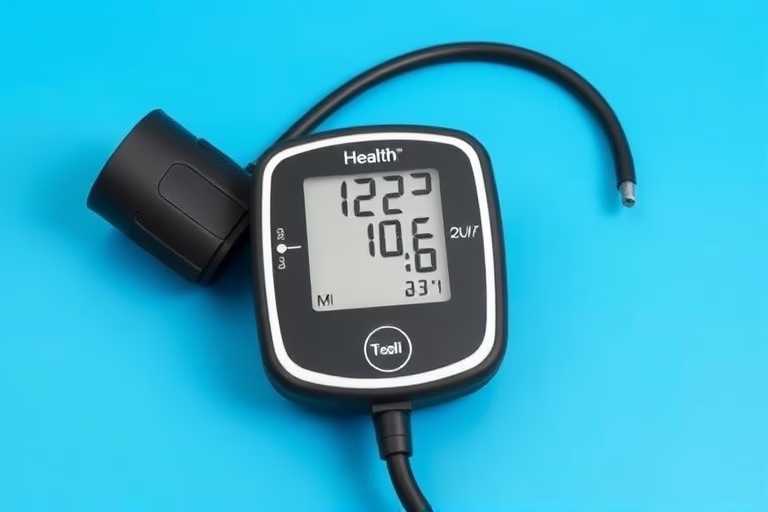
We will be talking about whether Medicaid pays for a blood pressure monitor. Many individuals rely on healthcare services to manage their health, and for those diagnosed with hypertension or other cardiovascular conditions, blood pressure monitors can be crucial for daily management. Blood pressure monitors help track heart health, allowing patients and healthcare providers to make informed decisions quickly. A question many patients often ask is if their insurance, specifically Medicaid, covers the cost of these monitors. Understanding Medicaid’s policies and coverage options is essential for patients to ensure they receive the best care possible without incurring out-of-pocket expenses. In this post, we will explore how Medicaid handles blood pressure monitors, related coverage options, and other vital information concerning hypertension management.
Understanding Medicaid Coverage
Medicaid is a state and federally funded program designed to provide health services for low-income individuals and families. Coverage varies from one state to another, as states are given significant latitude in administering their own programs. Generally, Medicaid covers a range of services, including hospital visits, physician services, and outpatient care. However, understanding the specifics surrounding blood pressure monitors is crucial for eligible recipients. Many states will cover medically necessary equipment that aids in the diagnosis or treatment of a condition, but the patient may need a doctor’s prescription for reimbursement purposes. Therefore, it is important to consult your healthcare provider and inquire about the procedure for obtaining a blood pressure monitor under Medicaid.
Eligibility for Medicaid Coverage
To qualify for Medicaid benefits, applicants must meet certain criteria, which usually include income level, age, disability status, and residency. Individuals must provide documentation to establish their eligibility based on state-specific guidelines. Once enrolled, beneficiaries may gain access to comprehensive healthcare services, including preventive care and management of chronic conditions. Covered medical equipment such as wheelchairs, nebulizers, and blood pressure monitors requires a clear connection between the equipment and the individual’s health needs. It’s essential to keep abreast of changes to eligibility requirements or benefits that may occur, as these can directly impact the availability of coverage for medical devices.
Medical Necessity for Blood Pressure Monitors
Medicaid typically covers medical equipment that is deemed medically necessary. For blood pressure monitors, the criteria are often established based on the patient’s condition and healthcare needs. Patients with hypertension, heart disease, or other related disorders may find that their healthcare provider prescribes a blood pressure monitor as part of their management plan. This prescription serves as documentation to justify the expense, making it more likely for Medicaid to cover the monitor. Regular monitoring is essential for assessing treatment efficacy and making necessary adjustments, which, in turn, can prevent severe complications stemming from untreated high blood pressure.
Types of Blood Pressure Monitors
Various types of blood pressure monitors are available for patient use, including digital monitors, aneroid monitors, and wrist monitors. Digital monitors are generally the most user-friendly, displaying results directly on a screen and often providing features like memory storage to track readings over time. Aneroid monitors, while requiring more manual operation, are still widely used in clinical settings. Wrist monitors are another convenient option for traveling or on-the-go individuals but may be less accurate than arm cuff monitors. Patients should discuss with their healthcare providers which type suits them best, particularly in relation to Medicaid coverage specifications.
Finding the Right Provider
Not all healthcare providers are familiar with what services Medicaid covers. Therefore, patients should take the initiative to ask their doctors whether they can obtain a blood pressure monitor through Medicaid. It can be helpful to select a provider who is well-versed in the Medicaid system to facilitate the process, ensuring that the prescription process and paperwork for coverage are completed competently. Additionally, discussing options and any out-of-pocket expenses up front can help reduce confusion later on pertaining to billing and reimbursements.
Getting a Prescription
A definitive step to receiving a blood pressure monitor through Medicaid is obtaining a prescription from a healthcare professional. Patients should discuss their health condition with their provider clearly, emphasizing the need for consistent monitoring due to diagnosed hypertension or related issues. The provider needs to document the medical necessity of the device, outlining the reasons why regular monitoring is critical for the patient’s health. This prescription, along with necessary documentation, may be required to submit a claim for reimbursement or coverage under Medicaid.
Claim Submission Process
After a prescription is acquired for a blood pressure monitor, the subsequent step involves the claims submission process. Patients or healthcare providers typically complete forms detailing the equipment required and its medical necessity, attaching the prescription for validation. Each state may have its own forms and submission guidelines, so it’s vital to familiarize oneself with the specific procedures. Ensuring that all necessary documentation is in place before submission can help prevent delays in receiving the monitor.
Alternatives to Blood Pressure Monitors
For those unable to acquire a blood pressure monitor through Medicaid or lacking coverage, alternative options exist. Many pharmacies lend monitors or offer low-cost alternatives that individuals can purchase, providing necessary access without significant financial burdens. Community health programs may offer free screenings or equipment for low-income patients, allowing for consistent monitoring without needing personal medical devices. Nevertheless, patients should still keep their healthcare provider informed of their monitoring methods to receive appropriate guidance.
Advocating for Coverage Changes
Patient advocacy is crucial in addressing and improving healthcare coverage, including the range of medical equipment available under Medicaid. If patients experience issues with obtaining a blood pressure monitor, they should contact their local Medicaid office for guidance and clarification. Engaging with support organizations and healthcare advocates can also promote awareness for wider coverage of essential medical devices, potentially impacting policy changes in favor of those needing critical healthcare resources.
Staying Informed About Changes in Coverage
Healthcare policies are consistently evolving, including rules surrounding Medicaid coverage for medical equipment. Regularly checking the official Medicaid website or contacting local offices can help beneficiaries stay informed about any updates that can affect their ability to access blood pressure monitors. Additionally, patients should maintain communication with their healthcare providers to ensure all their needs are appropriately managed and addressed rapidly and efficiently.
In conclusion, whether Medicaid pays for a blood pressure monitor involves several components, including understanding eligibility requirements, medical necessity, provider involvement, and claims processes. It is vital for patients to engage proactively with healthcare providers, secure necessary prescriptions, and stay updated on Medicaid’s evolving policies. For individuals managing chronic health conditions, proper access to medical equipment, such as blood pressure monitors, is essential and can drastically improve health outcomes. By being knowledgeable about the process and advocating for their needs, patients can navigate their Medicaid coverage effectively, ensuring access to necessary health resources.
Frequently Asked Questions
- Does Medicaid cover blood pressure monitors? Yes, Medicaid may cover blood pressure monitors if prescribed by a healthcare provider; coverage may vary by state.
- What is required to get a blood pressure monitor through Medicaid? A prescription from your healthcare provider stating the medical necessity of the monitor is typically required for coverage.
- Are there different types of blood pressure monitors covered? Yes, coverage often includes various types like digital monitors and aneroid monitors, depending on the individual’s medical needs.
- What if my Medicaid claim for a blood pressure monitor is denied? In such cases, patients can appeal the decision and seek further clarification from Medicaid representatives on the basis for denial.
- Can I use my own blood pressure monitor if Medicaid doesn’t cover it? Yes, individuals can purchase their devices; it’s recommended to consult with your healthcare provider for appropriate options and features.
Further Reading
What Type of Psychotherapy Is Best for Anxiety?