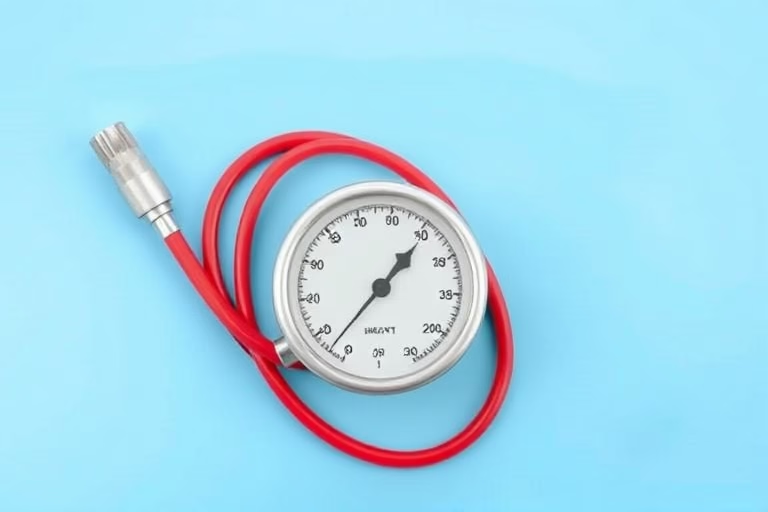
We will be talking about does HCG increase blood pressure. Human Chorionic Gonadotropin (HCG) is a hormone produced during pregnancy by the placenta. It plays a vital role in maintaining the pregnancy and is essential for fetal development. However, in recent years, HCG has gained attention for its use in weight loss programs and fertility treatments. As people explore these new applications, there has been a growing concern about its potential side effects, particularly regarding blood pressure levels. Understanding the relationship between HCG and blood pressure is crucial for individuals considering its use, especially those with pre-existing health conditions or concerns about hypertension. Let us delve deeper into the research to uncover how HCG might affect blood pressure and what precautions can be taken.
What is HCG?
HCG stands for Human Chorionic Gonadotropin, a hormone produced during pregnancy. This glycoprotein hormone is created by the developing placenta shortly after the embryo implants, and it is crucial for sustaining pregnancy. In addition to its role during pregnancy, HCG has gained traction in the medical community for its applications in fertility treatments and its controversial use in weight loss programs. By stimulating hormone production in the body, HCG impacts several processes, including metabolism and fat distribution. However, with its increasing use, health complications, such as blood pressure alterations, have raised questions about the long-term effects and safety of using HCG, especially in non-pregnant individuals.
Understanding Blood Pressure
Blood pressure is the force exerted by circulating blood against the walls of blood vessels. It is measured in millimeters of mercury (mmHg) and defined by two values: systolic (the pressure when the heart beats) and diastolic (the pressure when the heart rests between beats). Maintaining normal blood pressure is essential for overall health, as elevated blood pressure, or hypertension, can lead to serious health issues such as heart disease, stroke, and kidney damage. It is important to monitor blood pressure regularly, particularly for individuals undergoing additional health interventions like HCG treatment.
Connection Between HCG and Blood Pressure
Understanding the connection between HCG and blood pressure is crucial for safe treatment practices. While research specifically linking HCG to increased blood pressure is limited, anecdotal evidence suggests some users have reported heightened blood pressure levels while on HCG therapy. This phenomenon could be attributed to various factors, including fluid retention, lifestyle changes, and dietary shifts often associated with HCG diets. It’s important to discuss concerns with a healthcare provider before starting any HCG regimen, especially for individuals with existing hypertension.
Potential Side Effects of HCG
HCG might provoke several side effects aside from alterations in blood pressure. Commonly reported issues include headaches, fatigue, irritability, and mood swings. In women, HCG can cause ovarian hyperstimulation syndrome (OHSS), a condition that can occur in response to fertility treatments. Symptoms of OHSS include abdominal pain, rapid weight gain, and shortness of breath. Since increased weight and hormonal fluctuations play a role in blood pressure, anyone experiencing these side effects should consult a medical professional to ensure proper monitoring and management.
Who Should Avoid HCG Treatments?
Certain individuals should approach HCG treatments with caution or avoid them altogether. Those with a history of heart disease, hypertension, or diabetes must exercise particular caution while considering HCG therapy due to the potential risk of blood pressure increases. Pregnant women should not use HCG for weight loss or other non-medical purposes. Consulting a healthcare provider is essential to determine if HCG is an appropriate option based on personal health conditions and goals.
Monitoring Blood Pressure During HCG Therapy
For individuals undergoing HCG therapy, regular monitoring of blood pressure is critical. Keeping track of blood pressure fluctuations can help identify problems early and ensure safe treatment. Individuals can use at-home blood pressure monitors to check their readings regularly. Working closely with a healthcare professional to determine the best monitoring schedule and intervention strategies is key for minimizing risks associated with heightened blood pressure levels.
Diet and Lifestyle Changes Impact on Blood Pressure
Dietary changes associated with HCG diets may influence blood pressure levels. These diets often involve significant calorie restrictions and increased consumption of protein while limiting carbohydrates and fats. Rapid weight loss can lead to dehydration, which may cause temporary drops in blood pressure but could also result in compensatory mechanisms that raise it again. A balanced approach to diet and incorporating regular physical activity can help mitigate these fluctuations and keep blood pressure levels stable.
Research Findings on HCG and Blood Pressure
Research on the relationship between HCG and blood pressure remains limited. Some clinical studies have examined HCG’s role in weight loss and metabolic changes but provided insufficient conclusions about its direct impact on blood pressure. Research suggests that further studies are needed to assess the full range of effects, including how different doses and treatment durations might affect individual blood pressure outcomes.
Safety Considerations When Using HCG
Safety considerations are paramount when considering HCG as a treatment option. It is essential for individuals to work closely with a healthcare provider to evaluate their overall health status and personal risk factors. This partnership ensures appropriate screening for blood pressure and other potential side effects directly related to HCG use. Taking a personalized health approach can lead to safer and more effective treatment outcomes while minimizing risks.
Informing Others About HCG
Spreading awareness about HCG and its potential effects on blood pressure is essential. Many individuals may be unaware of the risks involved in using HCG for weight loss or non-medical purposes. Encouraging open dialogue about the implications and safety considerations of HCG can empower individuals to make better health decisions. Sharing information from reliable sources and experiences can foster a supportive community for those considering treatment options.
In conclusion, understanding the question of does HCG increase blood pressure is vital for individuals interested in its use. Comprehensive research is still necessary for conclusive evidence linking HCG to changes in blood pressure. Health professionals should be consulted to ensure that any potential risks associated with HCG therapy are managed effectively. By maintaining healthy lifestyle choices and regularly monitoring blood pressure during treatment, individuals can minimize risks while potentially reaping the benefits of HCG. Awareness, education, and proper medical guidance play essential roles in ensuring safe and effective use of HCG and its impact on overall health.
Frequently Asked Questions
Q1: Can HCG cause long-term effects on blood pressure?
A: While research on this topic remains limited, some anecdotal reports indicate possible fluctuations in blood pressure. Consulting a healthcare provider before use is crucial for assessing risks.
Q2: What are the side effects of HCG other than blood pressure changes?
A: HCG can cause headaches, fatigue, mood swings, nausea, and ovarian hyperstimulation syndrome in women, among other side effects. Discuss potential side effects with a healthcare provider.
Q3: Who should not use HCG?
A: Individuals with pre-existing hypertension, heart disease, or diabetes should exercise caution and consult a medical professional before considering HCG therapy.
Q4: How often should I monitor blood pressure while on HCG?
A: Regular monitoring of blood pressure is recommended. Work with your healthcare provider to determine a suitable monitoring schedule based on your individual needs and risks.
Q5: Is there research on HCG and its impact on blood pressure?
A: Research specifically linking HCG to increased blood pressure remains limited, highlighting a need for further studies to understand its effects comprehensively.
Further Reading
What Type of Psychotherapy Is Best for Anxiety?