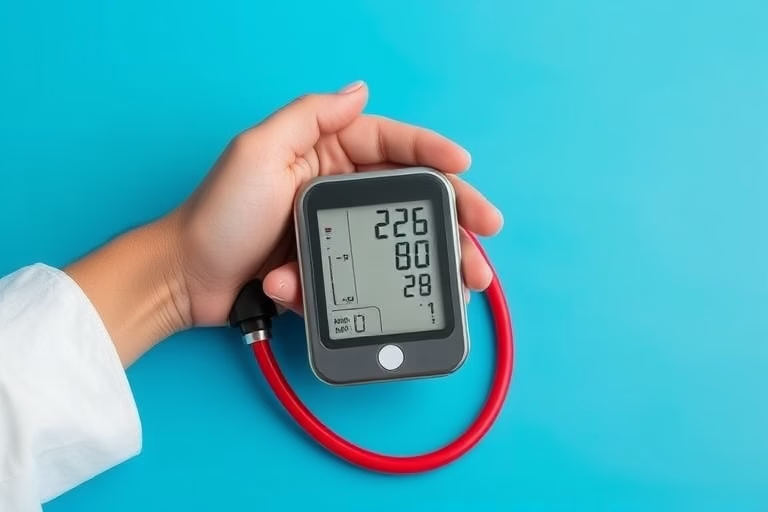
Is Your Blood Pressure Higher When You Are Sick? This is a common question many people may have, especially when they find themselves under the weather. Blood pressure is the force of circulating blood against the walls of blood vessels. When a person is sick, their body may react in various ways, which can affect blood pressure levels. These reactions can include increased heart rate, stress responses, and changes in fluid balance, all of which can potentially lead to temporary spikes in blood pressure. Understanding how illness affects blood pressure can help individuals manage their health more effectively.
Understanding Blood Pressure
Blood pressure is measured in millimeters of mercury (mmHg) and is expressed with two numbers: systolic (the pressure in the arteries when the heart beats) and diastolic (the pressure in the arteries when the heart rests between beats). Normal blood pressure is generally considered to be around 120/80 mmHg. It is important to monitor your blood pressure regularly because elevated levels may lead to health complications, such as heart disease and stroke.
The Connection Between Illness and Blood Pressure
When you are sick, your body goes through several physiological changes. First, your immune system kicks in to fight off infections. This response can release hormones that may increase blood pressure. Additionally, fever, dehydration, and pain can also contribute to increased blood pressure. It is not uncommon to see fluctuations in blood pressure readings when you are unwell, making it essential to understand how illness directly correlates with these changes.
Common Causes of Elevation in Blood Pressure During Illness
Many factors contribute to elevated blood pressure levels when you are sick. One major factor is stress. Illness can be a significant source of physical and mental stress, causing the body to release stress hormones like adrenaline and cortisol, which can elevate blood pressure. Infections, such as the flu or pneumonia, can also cause systemic inflammation, which can affect blood vessels and lead to higher blood pressure readings. Other reasons may include fever-induced increases in heart rate and decreased physical activity levels while you’re sick, which can also lead to higher blood pressure numbers.
How Different Illnesses Affect Blood Pressure
Certain illnesses have a stronger impact on blood pressure than others. For instance, respiratory infections may lead to higher blood pressure due to inflammation and respiratory distress. In contrast, gastrointestinal illnesses can result in dehydration, which may temporarily spike or drop blood pressure levels. Understanding how particular illnesses can affect blood pressure is crucial for managing your health effectively. It can guide patients to take critical measures, such as staying hydrated, resting appropriately, and monitoring their blood pressure levels closely.
When to Seek Medical Advice
If your blood pressure readings are consistently high when you are sick, it may be time to seek medical advice. If you experience symptoms like chest pain, shortness of breath, or severe headaches, these can be signs of complications that may require immediate attention. Understanding the normal response of your body during illness is important, but if your elevated readings persist, it is crucial to consult a healthcare professional. They may perform additional testing to rule out any significant underlying conditions.
Managing Blood Pressure During Illness
Managing your blood pressure while sick involves several strategies. Monitoring your blood pressure at home is essential to keep track of any changes. Staying hydrated can help manage blood pressure, as dehydration can lead to fluctuations. Rest is crucial for recovery and can minimize stress levels, which, in turn, can help control blood pressure. Furthermore, maintaining a balanced diet rich in fruits, vegetables, and whole grains can facilitate a healthier response during illness.
The Role of Medications
If you have existing health conditions that require you to take blood pressure medications, it’s vital to continue them even when you are sick, unless specified otherwise by your healthcare provider. However, some over-the-counter medications can worsen blood pressure, such as certain decongestants. Always consult with your doctor or pharmacist regarding medications you’re considering taking while unwell. This ensures that you don’t inadvertently exacerbate your condition or your blood pressure levels.
Long-term Effects of Repeated Illness on Blood Pressure
Repeated bouts of illness can have long-term effects on your blood pressure regulation. Chronic conditions, such as recurrent infections, stress, or inadequate recovery, can lead to persistent changes in your blood pressure. Over time, these fluctuations can contribute to cardiovascular issues. Thus, it is essential to take proactive measures to maintain your immune system and overall health, which can, in turn, help regulate blood pressure levels better.
The Importance of Regular Check-ups
Regular health check-ups offer a great opportunity to keep track of your blood pressure and overall health status. Routine screenings can help identify any underlying complications affecting your blood pressure, especially if you are frequently sick. Discussing your symptoms and health history with your doctor can lead to better-tailored advice for managing your health and preventing potential complications.
Conclusion: Understanding Blood Pressure During Illness
In summary, yes, your blood pressure can be higher when you are sick. Various factors contribute to this elevation—stress, hormonal changes, inflammation, and more. It’s necessary to recognize that, while temporary fluctuations are common during illness, they shouldn’t always be a cause for immediate alarm. However, if blood pressure remains high post-recovery, it is essential to consult a healthcare professional. Maintaining a balanced lifestyle, staying hydrated, managing stress, and keeping up with regular medical check-ups can support healthier blood pressure levels. Remember, understanding how your body acts in response to illness can empower you to manage your health better and potentially avoid long-term complications. Being informed allows for timely intervention should issues arise.
Frequently Asked Questions
- Can stress during illness cause elevated blood pressure?
Yes, stress can cause an increase in hormones like adrenaline, leading to higher blood pressure. - Should I monitor my blood pressure when I’m sick?
Yes, monitoring your blood pressure can help you identify and manage fluctuations during illness. - What if my blood pressure remains high after recovering?
If blood pressure remains elevated post-recovery, consult your healthcare provider. - Can dehydration affect blood pressure when sick?
Yes, dehydration can cause fluctuations in blood pressure, either raising or lowering it. - Is it okay to take my regular medications while sick?
Generally, yes, but consult your doctor as some over-the-counter medications can interact negatively with blood pressure meds.
Further Reading
What Type of Psychotherapy Is Best for Anxiety?