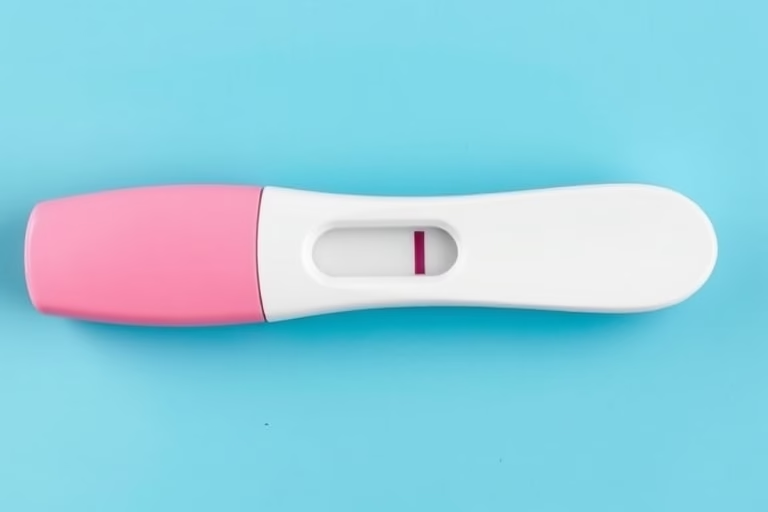
Understanding Implantation Bleeding
Implantation bleeding is a light spotting that can occur when a fertilized egg attaches itself to the lining of the uterus. This usually happens around six to twelve days after conception, which may coincide with the time when a woman expects her menstrual period. While not every woman will experience implantation bleeding, those who do may often wonder how long after this event they should wait before taking a pregnancy test. Knowing the timeline plays a crucial role in achieving accurate results.
Taking a pregnancy test too early might result in a false negative, leaving women with uncertainty about their pregnancy status. To gain a clearer understanding, it is essential to grasp the connection between implantation bleeding and the timing of a pregnancy test. With that in mind, we will explore how long after implantation bleeding to take a pregnancy test, shedding light on all relevant factors and common inquiries associated with this topic.
What is Implantation Bleeding?
Implantation bleeding is one of the earliest signs of pregnancy, often mistaken for an irregular menstrual period. The key difference lies in the timing and characteristics of the bleeding. Whereas a menstrual period typically features heavier flow and lasts for several days, implantation bleeding is usually very light and only lasts a few hours to a couple of days.
Women may experience this light spotting when the embryo embeds itself into the uterine wall, which can cause slight irritation and just enough bleeding. It generally occurs about a week or so before a missed period, making it a key indicator for those actively trying to conceive.
Being informed about the traits of implantation bleeding can help women differentiate between it and their menstrual cycle. Additionally, women may also want to keep in mind that the absence of implantation bleeding does not necessarily indicate that pregnancy has not occurred.
When to Take a Pregnancy Test After Bleeding
After experiencing implantation bleeding, the best time to take a pregnancy test can vary, but it is generally recommended to wait at least a few days. Since a standard pregnancy test measures the levels of the hormone hCG (human chorionic gonadotropin) in the urine, it is important to allow enough time for hormone production to increase.
Most sources suggest waiting at least one to two weeks following implantation bleeding to ensure that hCG levels are high enough for detection. Taking the test prematurely could lead to a false negative, as the body may not have produced enough of the hormone for the test to register a positive result.
In cases where a woman is unsure about the timing or experiences irregular cycles, it may benefit her to consult with a healthcare provider for guidance on when to test. Tracking menstrual cycles and understanding typical ovulation patterns can also inform the timing for testing.
Understanding hCG Levels
The hormone hCG is crucial for pregnancy tests. It is produced shortly after implantation, and its levels rise rapidly in early pregnancy. Most women can expect to see hCG levels double approximately every 48 to 72 hours in the early days following implantation. Understanding hCG levels helps women know when they should test and interpret results accurately.
During the first few days after implantation, hCG levels might be low. Tests usually become accurate around the time of a missed period. This means that if a woman is testing before her missed period, she may want to wait to avoid disappointment. Early detection can be tempting, but it’s essential to remain patient.
By understanding hCG dynamics and when to take a test, women can better manage their expectations regarding pregnancy confirmation. It is important to remember that there are variations in hCG levels which can differ from one individual to another.
Common Signs of Early Pregnancy
In conjunction with implantation bleeding, some common early pregnancy symptoms may include nausea, fatigue, breast tenderness, and frequent urination. Understanding these symptoms can provide additional context to the experience of implantation bleeding.
Women may also notice mood swings or cravings during early pregnancy, and while these can often be attributed to hormonal changes, they are clear indicators of a potential pregnancy. Monitoring these signs can provide a comprehensive picture of one’s condition and help in making informed decisions regarding testing.
In addition to physical signs, emotional responses to pregnancy can also play a role in the timeline for testing. Many women want to confirm their pregnancy status quickly, particularly if they are experiencing symptoms. This impatience can lead to premature testing, emphasizing the significance of knowing when and how to test.
Why Timing Matters
The timing of when to take a pregnancy test after implantation bleeding is fundamental for accurate results. Testing too early can lead to incorrect interpretations, which can be emotionally stressful. By understanding implantation bleeding and allowing the body adequate time to develop hCG levels, women can approach testing with confidence.
Research shows that pregnancy tests are most accurate when taken on or after the first day of a missed period. Many at-home test kits provide recommendations for optimal testing time, and adherence to these guidelines can lead to timely and positive experiences.
A woman’s menstrual cycle can also affect the timing of pregnancy testing. The more regular one’s cycle, the easier it is to estimate the perfect time to test. However, those with irregular cycles may find it more challenging, thereby considering consulting a healthcare provider for support.
Tips for Accurate Pregnancy Testing
For optimal results when taking a pregnancy test, here are some tips to consider. Follow the instructions provided with the test kit, and ensure to conduct the test during the first morning urine for higher hormone concentration. This increases the chance of an accurate reading.
Additionally, be cautious about interpreting results. A faint line can indicate early pregnancy but may need confirmation through a retest. In cases of doubts about results, seeking medical advice can provide peace of mind.
Documenting symptoms and cycle dates can also aid in discussions with healthcare providers, as these notes can provide valuable insights when seeking further evaluation or clarification regarding pregnancy status.
Types of Pregnancy Tests
Pregnancy tests come in different forms, including urine tests and blood tests. At-home urine tests are the most commonly used, as they are user-friendly and provide quick results. Blood tests, on the other hand, are typically more sensitive and can detect hCG levels earlier, making them a suitable option for women who may want immediate confirmation.
The choice between urine and blood tests may depend on individual preferences and circumstances. Consulting a healthcare provider can offer further clarity, especially if multiple tests yield conflicting results. Understanding the types of tests available enables women to make informed decisions. Regardless of the method chosen, accurate testing is essential for confirming pregnancy.
Consulting a Healthcare Provider
In cases of uncertainty or conflicting test results, consulting a healthcare provider is advisable. They can offer professional insights and potentially conduct more sensitive tests to determine hCG levels. Accessing medical support can ease the testing process and contribute to better understanding pregnancy symptoms.
Healthcare providers may also discuss symptoms in more depth, providing reassurance and appropriate recommendations for future care. They can assist in navigating the overall journey of conception and pregnancy planning.
Women should feel empowered to reach out for support; trustworthy healthcare guidance can also alleviate anxieties surrounding testing and results.
Final Thoughts
In conclusion, understanding how long after implantation bleeding to take a pregnancy test is critical for accurate results. Women need to recognize the signs of implantation bleeding, learn about the significance of hCG levels, and consider the timing surrounding their cycle. Waiting a few days after experiencing spotting before testing is generally most effective for positive outcomes.
Being aware of the various factors like early pregnancy symptoms, types of tests available, and the importance of consulting healthcare providers can empower women on their journey towards confirming their pregnancy. Informed decisions contribute to better mental and emotional health as one navigates the uncertainties around pregnancy testing.
Frequently Asked Questions
1. Can you take a pregnancy test during implantation bleeding?
It is not recommended, as testing during this time may not provide accurate results due to low hCG hormone levels.
2. How long after implantation bleeding can I test?
It is advised to wait at least one to two weeks after implantation bleeding to take a pregnancy test for more accurate results.
3. What if my pregnancy test is negative after implantation bleeding?
If the test is negative and your period does not start, wait a few days and retest or consult a healthcare provider for further evaluation.
4. What does light spotting during the menstrual cycle mean?
Light spotting can occur for various reasons, including ovulation, hormonal fluctuations, or implantation bleeding. Tracking your cycle can offer more clarity.
5. Are all pregnancy tests the same?
No, there are two main types: urine tests, which are most common, and blood tests, which can detect pregnancy earlier and more accurately.
Further Reading
What Type of Psychotherapy Is Best for Anxiety?