Understanding Implantation Bleeding
When discussing the phrase will test be positive during implantation bleeding, it refers to a crucial period during early pregnancy. Implantation bleeding occurs when a fertilized egg attaches itself to the uterine lining, which can sometimes result in light spotting or bleeding. This can confuse some individuals as it may resemble a menstrual cycle. Knowing whether a pregnancy test will yield a positive result during this time is vital for those trying to conceive or those seeking clarity about their reproductive health. In this text, we will focus on understanding the relationship between implantation bleeding and the accuracy of pregnancy tests, especially during the early stages of pregnancy.
When a woman is experiencing implantation bleeding, the hormone human chorionic gonadotropin (hCG) begins to form, which is typically the basis for most home pregnancy tests. However, the timing varies from person to person, making it essential to comprehend how soon after implantation can a pregnancy test yield a positive result. Accurate knowledge about these elements can help individuals manage expectations and health decisions during this vital time.
The Role of Hormones in Pregnancy Tests
Hormones play a vital role in the process of determining pregnancy. Understanding how these hormones function can clarify the performance of pregnancy tests during the implantation period. The primary hormone tested in home pregnancy kits is hCG, which is produced shortly after a fertilized egg implants itself in the uterus.
After fertilization, the embryo begins to develop and produces hCG. This hormone is essentially a signal to the woman’s body that pregnancy has begun, thus preventing the menstrual cycle from continuing. It is crucial for the health of the embryo, helping nurture it as it develops.
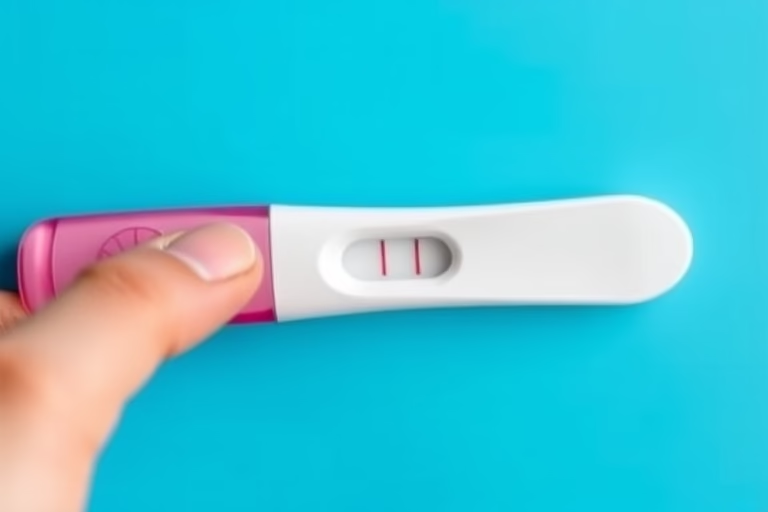
Pregnancy tests are designed to detect hCG in urine. For optimal results, the test should be taken after the body has had enough time to produce measurable levels of this hormone. While some tests claim to detect pregnancy days before a missed period, the accuracy of these tests during implantation bleeding can vary significantly.
Testing too early, such as during implantation bleeding, may result in a false negative since the hormone levels may not be high enough yet for the test to detect. Therefore, patience is vital for those who suspect they are pregnant. Waiting a few days after a missed period is generally recommended for the most accurate results.
Timing of Implantation Bleeding
Timing is key when it comes to understanding implantation bleeding. Generally, this bleeding can occur 6 to 12 days after conception. While some might experience it as early as a week post-ovulation, others may not notice it until closer to their expected period.
Slight spotting often occurs when the embryo attaches to the uterine wall, which is a normal part of conception. However, many women might mistake this for their menstrual cycle’s onset. Recognizing this early sign is essential for those actively trying to conceive.
To enhance the accuracy of a pregnancy test, wait until after the expected date of the period. Testing too early – particularly during the implantation bleeding phase – may result in misleading results. This emphasizes the importance of tracking menstrual cycles and understanding one’s body signals.
Understanding one’s unique cycle will greatly aid in precise detection of these key periods, furthering reproductive health and decision-making.
Signs of Implantation Bleeding
Identifying the signs of implantation bleeding can help differentiate it from regular menstrual bleeding. Some common signs include:
Recognizing these subtle differences is essential for individuals trying to conceive. Misinterpretation may lead to confusion and undue stress, highlighting the significance of education regarding reproductive health.
Effectiveness of Home Pregnancy Tests
Home pregnancy tests are widely regarded as reliable; however, their effectiveness can be influenced by various factors. The use of these tests involves checking the level of hCG in urine.
Several elements can affect the accuracy of these tests, including:
Knowing these factors allows individuals to make informed decisions regarding their body and reproductive health. Always consider waiting a few days after the expected menstrual cycle for optimal accuracy.
Discerning Between Implantation Bleeding and Menstrual Cycle
Conflict often arises when distinguishing between implantation bleeding and leading to a period. Recognizing specific markers can help clarify:
Understanding these differences is vital for evaluating one’s circumstances and health accurately. Many women may resort to various resources to gain clarity on this significant aspect of reproductive health.
When to Take a Pregnancy Test
The timing of taking a pregnancy test is essential for accuracy. For the best results, the timing should align with the body’s natural hormone production. Testing can be approached in several steps:
- Perform the test the day after a missed period for optimal accuracy.
- If the test is taken too early, consider testing a few days later.
- Follow the manufacturer’s instructions for guidance on how to obtain the best results.
- Consult with a healthcare professional for further assurance, especially in cases of uncertainty.
The right timing and approach can make a significant difference in effectively confirming a pregnancy, preventing unnecessary stress.
Frequently Asked Questions
Below are some frequently asked questions regarding implantation bleeding and pregnancy tests:
1. Can I take a pregnancy test during implantation bleeding?
While it is possible to take a test, accuracy may vary. It’s usually best to wait until after your expected period for the most reliable results.
2. How long does implantation bleeding last?
Implantation bleeding typically lasts a few hours to a couple of days and is much lighter than a regular period.
3. What color is implantation bleeding?
Implantation bleeding often appears as light pink or brown spotting, unlike the bright red of a regular menstrual flow.
4. Can implantation bleeding be heavy?
No, implantation bleeding is usually light and should not be heavy, unlike a menstrual flow.
5. Is it normal to have cramping with implantation bleeding?
Light cramping can accompany implantation bleeding and is often less intense than menstrual cramps.
Final Thoughts
Understanding whether a pregnancy test will be positive during implantation bleeding is essential for those looking to conceive. The process involves various dynamics, from hormonal changes to the timing of testing. Recognizing the early signs of implantation bleeding and knowing how it differs from menstrual bleeding allows individuals to manage expectations better and make informed decisions about reproductive health.
Hormones play a significant role during early pregnancy, and the production of hCG is a primary indicator for most pregnancy tests. It becomes critical to measure and understand how this hormone functions post-fertilization. Recognizing the differences between tests, hormones, and symptoms results in a comprehensive understanding of this pivotal time.
Finally, maintaining an open line of communication with healthcare professionals can provide valuable guidance, especially for those encountering challenges during this significant phase. Empowering individuals with accurate information ensures they make the best decisions regarding their bodies and their futures. Always remember that the journey toward pregnancy can require patience and thorough understanding.
Further Reading
What Type of Psychotherapy Is Best for Anxiety?