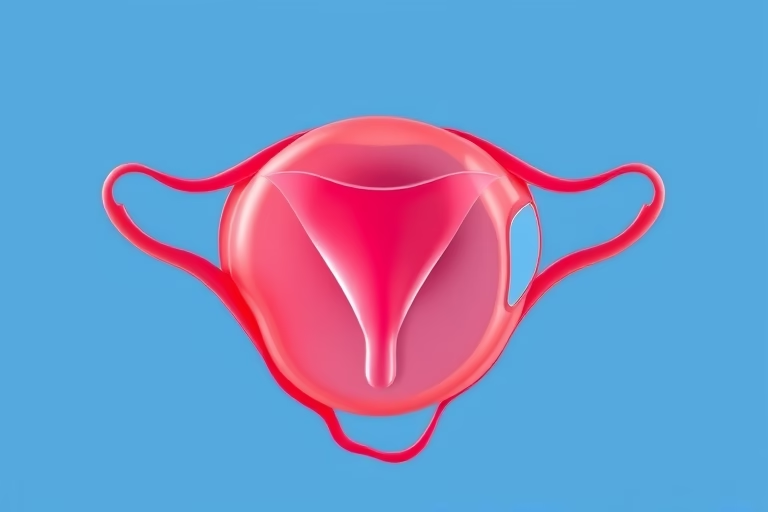
Understanding Ovulation Bleeding and Implantation Bleeding
We will be talking about what’s the difference between ovulation bleeding and implantation bleeding. Understanding these two occurrences is vital for women who are trying to conceive or are simply providing their bodies with the knowledge they need for better reproductive health. Both ovulation bleeding and implantation bleeding can often lead to confusion, but they have distinct signs and symptoms.
**Ovulation bleeding** refers to light spotting that can occur mid-cycle when an ovary releases an egg, typically around the 14th day of a 28-day menstrual cycle. This can happen due to hormonal fluctuations triggered by the hormonal surge that governs ovulation.
On the other hand, **implantation bleeding** occurs when a fertilized egg attaches itself to the lining of the uterus, which may happen around a week after conception. While both types of bleeding are usually minor, they can be easily misunderstood. In this article, we will clarify the differences, underlying causes, timing, and symptoms associated with each, helping you to differentiate between the two and understand your cycle better.
1. What is Ovulation Bleeding?
Ovulation bleeding is typically a light spotting that happens when an ovary releases an egg. This can occur around the midpoint of the menstrual cycle when estrogen levels peak. For many women, this symptom may not be widely recognized as it is less noticeable and often misinterpreted as the start of a menstrual period. Characteristics of ovulation bleeding include:
- The color can vary from light pink to red.
- The bleeding is typically much lighter than menstrual bleeding.
- It usually lasts a few hours to a couple of days.
- It may accompany other ovulation symptoms like mild cramping and increased cervical mucus.
This phase can serve as an indication of your fertile window, allowing you to understand your chances of conceiving more accurately. Not all women will experience ovulation bleeding, and its presence or absence does not indicate a problem with fertility. Tracking this phase can be beneficial for those who are monitoring their cycles.
2. What is Implantation Bleeding?
Implantation bleeding is a different phenomenon altogether. It signifies that a fertilized egg has successfully implanted itself into the uterine lining. This can occur roughly 6 to 12 days after ovulation and fertilization. Distinct characteristics of implantation bleeding include:
- The spotting is usually light pink or brownish.
- It’s often shorter in duration, typically lasting from a few hours to two days.
- Implantation bleeding tends to occur around a week before your expected menstrual period.
- Some women may experience mild cramping during this phase.
Unlike ovulation bleeding, implantation bleeding is a potential early sign of pregnancy. Women looking to conceive may find this spotting particularly significant, as it can indicate that implantation occurred successfully.
3. Timing Differences
The timing of ovulation bleeding and implantation bleeding plays a crucial role in distinguishing the two. Ovulation bleeding typically happens around the middle of the menstrual cycle, while implantation bleeding occurs a week or so later. Understanding the timing can be instrumental for women trying to conceive or those using fertility awareness methods.
When tracking your menstrual cycle, being aware of when ovulation typically occurs for you can help you anticipate ovulation bleeding. On the other hand, if you have had unprotected intercourse and then experience light spotting a week later, it may be a sign of implantation bleeding. Keeping a calendar or using a tracking app can aid in identifying these patterns effectively.
4. Symptoms Associated with Each Occurrence
Recognizing the symptoms associated with ovulation bleeding and implantation bleeding can provide further insights into your reproductive health. For ovulation bleeding, common signs may include:
- Light spotting that may be accompanied by mild cramping.
- Changes in cervical mucus, which can become more fluid or stretchy.
- Increased libido that often coincides with peak fertility.
In contrast, implantation bleeding can be accompanied by different signals such as:
- Light spotting that may occur shortly after a missed period.
- Mild cramping similar to menstrual cramps but possibly less intense.
- Other early pregnancy symptoms like nausea, fatigue, or breast tenderness.
5. How to Differentiate Between the Two Bleedings
Now that we know the symptoms and timing, differentiating between ovulation and implantation bleeding can be simplified by focusing on three main aspects: timing, flow, and additional symptoms.
6. When to Seek Medical Advice
If you experience any unusual bleeding, it is essential to consult a healthcare provider. While light spotting can be normal, heavy bleeding or bleeding accompanied by severe pain may indicate serious issues like ectopic pregnancy or hormonal imbalances. Seeking professional advice can ensure that any potential concerns are addressed promptly and appropriately.
7. Myths and Misconceptions
Understanding ovulation bleeding and implantation bleeding is subject to various myths and misconceptions. Some common ones include:
- Myth: Ovulation bleeding is always a sign of fertility issues. Fact: Many women do not experience it and still conceive without issues.
- Myth: Implantation bleeding is an absolute sign of pregnancy. Fact: Not every woman experiences implantation bleeding, and even if some do, it is not a guaranteed pregnancy indicator.
- Myth: Heavy spotting means pregnancy. Fact: Heavy bleeding is concerning and could indicate complications.
Being informed helps dispel these myths, allowing for a better understanding of women’s health issues.
8. Recommended Tracking Methods
Tracking your menstrual cycle is essential for understanding ovulation and implantation accurately. Techniques can include:
- Calendar Method: Marking your cycle days can help you visualize ovulation and when to expect each type of bleeding.
- Apps: Multiple apps allow you to input your cycle details for comprehensive tracking.
- Symptom Tracking: Noting symptoms like changes in cervical mucus or cramping will help you better identify ovulation versus implantation.
Using these methods consistently offers clarity and empowers women to take charge of their reproductive health.
9. Importance of Awareness in Family Planning
Awareness of ovulation and implantation bleeding can be instrumental for women looking to conceive or avoid pregnancy. Understanding your cycle enhances fertility awareness, enabling informed decisions. Knowing when you ovulate helps in timing intercourse for conception, while being aware of the signs of implantation can indicate success. For women exploring natural family planning methods, this knowledge is foundational.
Final Thoughts
In summary, recognizing the differences between ovulation bleeding and implantation bleeding is essential for women’s reproductive health. Ovulation bleeding occurs midway through the menstrual cycle and is often light and fleeting, while implantation bleeding happens shortly before a missed period, signaling possible pregnancy. By being aware of the timing, symptoms, and flow patterns associated with these occurrences, women can better understand their bodies and make informed choices regarding their reproductive health.
Keeping track of your menstrual cycle and any associated symptoms can increase awareness and better inform family planning. If you suspect abnormalities or experience concerns, seeking professional medical advice is crucial. Armed with this information, women can feel more empowered in their reproductive health journeys.
- Frequently Asked Questions
- What does ovulation bleeding look like?
- How long does implantation bleeding last?
- Can I get pregnant if I experience ovulation bleeding?
- Is it normal to experience both types of bleeding?
- When should I see a doctor about bleeding?
It typically appears as light spotting, which may be pink or red.
Implantation bleeding usually lasts a few hours to two days.
Yes, ovulation bleeding indicates that you are in your fertile window and can conceive.
Yes, experiencing both is normal; many women do at various stages of their reproductive health.
Consult a doctor if you experience heavy bleeding, severe pain, or unusual symptoms.
Further Reading
What Type of Psychotherapy Is Best for Anxiety?