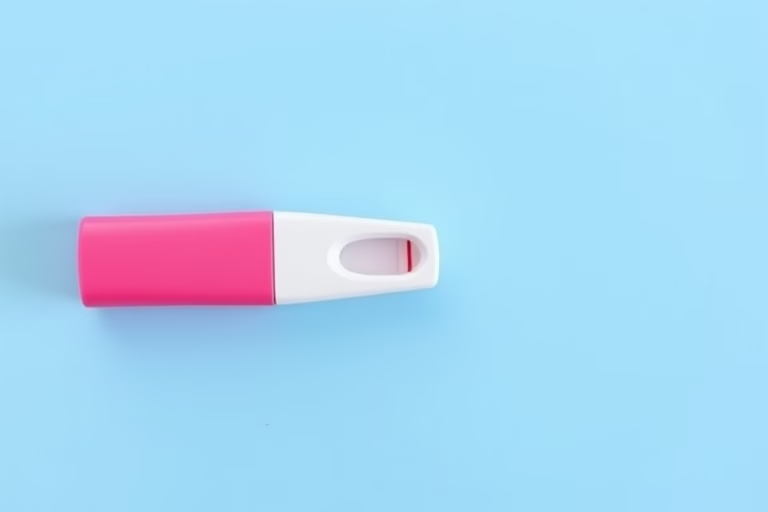
Understanding Implantation Bleeding and Pregnancy Tests
We will be talking about the connection between implantation bleeding and the associated pregnancy tests. Implantation bleeding is a light spotting that occurs when a fertilized egg attaches itself to the lining of the uterus. This process generally occurs around six to twelve days post-conception and may often be mistaken for a light period. Differentiating between implantation bleeding and menstruation is essential for those trying to conceive.
When it comes to pregnancy testing, it is vital to know that the most common method is through urine tests, which primarily look for the hormone human chorionic gonadotropin (hCG). This hormone is produced soon after a fertilized egg attaches to the uterine lining, correlating closely with implantation bleeding. Understanding when to take a pregnancy test is crucial, as taking it too soon after potential implantation can lead to inaccurate results.
What is Implantation Bleeding?
Implantation bleeding refers to the light spotting experienced by some women when the fertilized egg settles into the uterine lining. It typically occurs around the time a woman would expect her menstrual period, leading to potential confusion regarding its origin.
This spotting usually lasts for a few hours to a couple of days and is much lighter than a typical menstrual flow. The color can range from light pink to brown. For many women, this marks one of the earliest signs of pregnancy.
Understanding and recognizing this bleeding can empower women in their family planning. Identifying this sign may encourage women to take a pregnancy test earlier, maximizing their chances of confirming pregnancy sooner.
How to Differentiate Implantation Bleeding from Menstruation
Recognizing the differences between implantation bleeding and menstruation is essential for women looking out for early signs of pregnancy. The most notable distinctions include:
- Duration: Implantation bleeding usually lasts for only a few hours to two days, whereas a menstrual period can last from three to seven days.
- Color: Implantation bleeding is typically light pink or brown, while menstrual blood tends to be bright red and darker as the period progresses.
- Flow: The flow associated with implantation bleeding is very light, often just spotting, while menstruation usually involves a heavier flow that may require sanitary products.
- Timing: Implantation bleeding often occurs about a week before the expected menstrual period.
By paying attention to these factors, women may better determine their current reproductive status and take appropriate actions regarding pregnancy testing.
When Should You Take a Pregnancy Test?
The timing of a pregnancy test is crucial for accurate results. Many people wonder when the best time is to take a pregnancy test after potential implantation bleeding.
For the most reliable results, it is advised to wait one week after the implantation bleeding occurs before taking a home pregnancy test. This waiting period allows for adequate hCG levels to build up, making the test results more conclusive.
Taking a pregnancy test too soon could lead to a false negative, which may create unnecessary stress and confusion. For the best results, follow these guidelines:
- Home Test: Use a home pregnancy test with high sensitivity a week after missing your period or after implantation bleeding.
- Consult a Doctor: If uncertain about results, it’s wise to consult a healthcare provider for blood tests that can detect pregnancy sooner.
Types of Pregnancy Tests
There are two main types of pregnancy tests: urine tests and blood tests. Each has its own advantages and disadvantages.
Urine Tests: Most home tests fall under this category, offering quick and straightforward results. They can be taken any time of day, although for best results, it’s recommended to use the first morning urine, as it typically has the highest hCG concentration.
Blood Tests: These tests can be performed at a healthcare facility and can detect pregnancy earlier than urine tests. Blood tests can provide a qualitative result (yes or no) or a quantitative result to measure the exact amount of hCG present.
Each type has its particular circumstances under which they should be utilized. Understanding these differences can aid individuals in making informed choices regarding their pregnancy testing.
Common Myths About Implantation Bleeding
Numerous myths surround the concept of implantation bleeding. Understanding the truths behind these myths can help women make informed decisions.
- Myth 1: Implantation bleeding is always a sign of pregnancy. In fact, not all women experience it, and those who do may have varying symptoms.
- Myth 2: It always occurs exactly five to seven days after conception. The timing can vary significantly between women.
- Myth 3: It is impossible to mistake implantation bleeding for a period. Some women may have spotting that closely resembles menstrual flow.
Understanding these myths can help in reducing anxiety and misinterpretation of bodily signs.
Signs Accompanying Implantation Bleeding
Many women wonder if there are other physical signs accompanying implantation bleeding. Some common symptoms may include:
- Cramping: Light cramping can occur as the embryo implants.
- Breast Tenderness: Hormonal changes can lead to sensitive breasts.
- Fatigue: Early pregnancy can bring about feelings of tiredness and fatigue.
While these signs can indicate pregnancy, they can also occur for other reasons. Weighing them alongside the bleeding can provide clearer context.
What to Do After Confirming Pregnancy
Discovering a positive pregnancy test can be both thrilling and overwhelming. Here are important steps to take:
- Schedule an Appointment: Contact a healthcare provider to confirm the pregnancy with a blood test and get information on prenatal care.
- Consider Lifestyle Changes: Adopt a healthier diet, stop smoking, and limit alcohol consumption to promote a healthy pregnancy.
- Educate Yourself: Read up on pregnancy stages, prenatal vitamins, and childbirth options.
Taking these initial steps helps lay the foundation for a healthy pregnancy journey.
Final Thoughts
In summary, understanding implantation bleeding and its connection to pregnancy testing is crucial for anyone trying to conceive. Recognizing the signs and timing accurately can lead to informed decisions regarding taking pregnancy tests. Knowing when to take a test can prevent confusion and enable quicker outcomes.
It is also important to clear up any myths around implantation bleeding to avoid unnecessary worry and misinformation. By knowing the signs that accompany this event, one can better navigate their reproductive health.
After confirming pregnancy, taking proactive steps for health and well-being enhances pregnancy experiences. Having a healthy dialogue with a healthcare provider can provide the necessary support and guidance for individuals during this time.
Frequently Asked Questions
- Is implantation bleeding always light pink?
Not necessarily. It can be light pink or brown, but the key is that it is not a heavy flow. - How long does implantation bleeding last?
It typically lasts from just a few hours up to two days. - Can I take a pregnancy test during implantation bleeding?
It is recommended to wait a few days after the bleeding to ensure accurate results. - Are there any other signs of pregnancy apart from implantation bleeding?
Yes, other signs may include nausea, breast tenderness, and fatigue. - What should I do if I have concerns about my implantation bleeding?
Consult a healthcare provider to discuss any symptoms or concerns for personalized advice.
Further Reading
What Type of Psychotherapy Is Best for Anxiety?