Understanding Implantation Bleeding
Implantation bleeding is a phenomenon that occurs when a fertilized egg attaches itself to the lining of the uterus. This usually takes place around 6 to 12 days after conception, which is often close to the time a woman might expect her menstrual period. While the bleeding is typically light, it is often pink or brown in color rather than the usual bright red of menstrual blood. Recognizing implantation bleeding is key for many women as it can serve as the first sign of pregnancy, prompting them to consider taking a pregnancy test.
So, what does implantation bleeding mean for those trying to conceive? It can indicate a successful fertilization but may also lead to many questions. One of the most common inquiries is regarding the ideal timing for a pregnancy test following this occurrence. Understanding the timing can help avoid unnecessary worry or anticipation while ensuring accurate results.
When to Take a Pregnancy Test After Implantation Bleeding
Considering the timing of a pregnancy test is crucial. Most home pregnancy tests recommend waiting until the first day of your missed period. However, if you experience implantation bleeding, you might be eager to test sooner. It is typically advised to wait at least 3 to 4 days after implantation bleeding to take a home pregnancy test for the best accuracy.
When you first notice implantation bleeding, your body is in the early stages of pregnancy, which means that the hormone hCG (human chorionic gonadotropin) is just beginning to be produced. While some tests can detect hCG levels in urine shortly after implantation, waiting a few days gives your body time to build up enough of this hormone for the test to provide an accurate reading.
It is worth noting that testing too early may result in a false negative, where the test indicates you are not pregnant even if you are. Therefore, for the most reliable result, patience is advised, and testing should align with when you would typically expect your period.
Understanding Early Pregnancy Symptoms
Recognizing early pregnancy symptoms can help guide your decision on when to take a pregnancy test. These symptoms vary from woman to woman but can include:
Tracking these symptoms can help you anticipate a pregnancy and determine the best time to test. Not all women will exhibit these symptoms immediately following implantation bleeding, so keep in mind that everyone’s experience is different.
The Role of hCG in Pregnancy Tests
The hormone hCG is particularly significant when testing for pregnancy. After implantation, hCG begins to rise rapidly in a woman’s body. This hormone is detectable in urine and blood tests, which is why they are used for confirming pregnancy.
Home pregnancy tests are designed to detect this hormone, using varying sensitivity levels. Tests with higher sensitivity can sometimes provide a positive result as early as a few days after implantation, but results can be unreliable if taken too soon.
Typically, it takes about two weeks for hCG levels to reach a point where a home pregnancy test can reliably indicate pregnancy. For best results, testing should coincide with the timing of your expected period.
How to Interpret Pregnancy Test Results
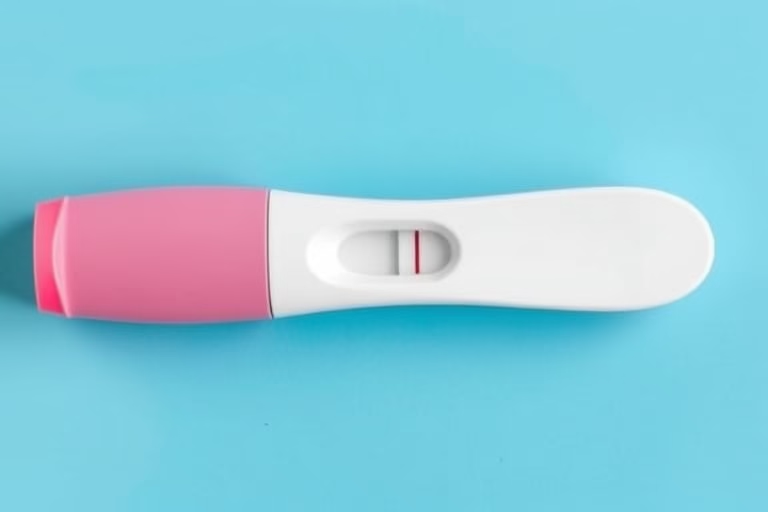
Understanding how to interpret the results of a pregnancy test is crucial for anyone taking the test. Home pregnancy tests usually present results in one of two ways: a control line and a test line. Here is a guideline on interpreting results:
If you receive a negative result but still suspect pregnancy, it is advisable to wait a few days and repeat the test. If you continue to receive negative results but still have symptoms of pregnancy, consult a healthcare provider for further evaluation.
Common Mistakes When Taking a Pregnancy Test
There are several common mistakes people make when taking a pregnancy test, which can lead to inaccurate results. Here are key points to be mindful of:
Avoiding these mistakes will enhance the reliability of your results and provide greater peace of mind.
Frequently Asked Questions
1. Can you get a positive pregnancy test the same day as implantation bleeding?
In most cases, no. It is usually recommended to wait at least 3 to 4 days after implantation bleeding for the best chance of an accurate result.
2. What defines implantation bleeding?
Implantation bleeding occurs when a fertilized egg attaches to the uterine lining and can manifest as light spotting.
3. Can menstrual bleeding be confused with implantation bleeding?
Yes, sometimes the two can appear similar. However, implantation bleeding is typically lighter and shorter in duration than a regular period.
4. Is it safe to take multiple pregnancy tests?
Yes, you can take multiple tests. If unsure about results, waiting a few days between tests can improve accuracy.
5. What should I do if my pregnancy test is positive?
Consult a healthcare provider to confirm the pregnancy and discuss the next steps for your health and prenatal care.
Final Thoughts
In summary, understanding when to take a pregnancy test after experiencing implantation bleeding is essential for obtaining accurate results. Implantation bleeding is a potential early sign of pregnancy that can prompt women to take a home pregnancy test. Testing too early can lead to false negatives, and timing is crucial for accurate results.
Recognizing early pregnancy symptoms and understanding the role of hCG can help in determining the best time to test. It is critical to correctly read and interpret test results to avoid confusion and frustration. Common mistakes made during this process can contribute to inaccurate results, so being aware of these can enhance accuracy.
It is normal to feel anxious and excited when considering pregnancy. If doubt persists or if you have any questions about test results or symptoms, a healthcare provider is an invaluable resource. Taking informed steps early will pave the way for a healthy journey ahead.
Further Reading
What Type of Psychotherapy Is Best for Anxiety?