Understanding Implantation Bleeding
Implantation bleeding is a light spotting that may occur when a fertilized egg attaches itself to the lining of the uterus. This process typically occurs around six to twelve days after conception. Many women experience this light bleeding, which is often mistaken for a light menstrual period. The phenomenon itself is an early sign of pregnancy, but its timing can create confusion regarding when to take a pregnancy test.
Knowing the right time to test for pregnancy is crucial for those trying to conceive. After implantation bleeding, the hormone human chorionic gonadotropin (hCG) is released by the body, which is what pregnancy tests detect. Understanding the connection between implantation bleeding and the timing of taking a pregnancy test can assist in determining if you are pregnant.
What is a Pregnancy Test?
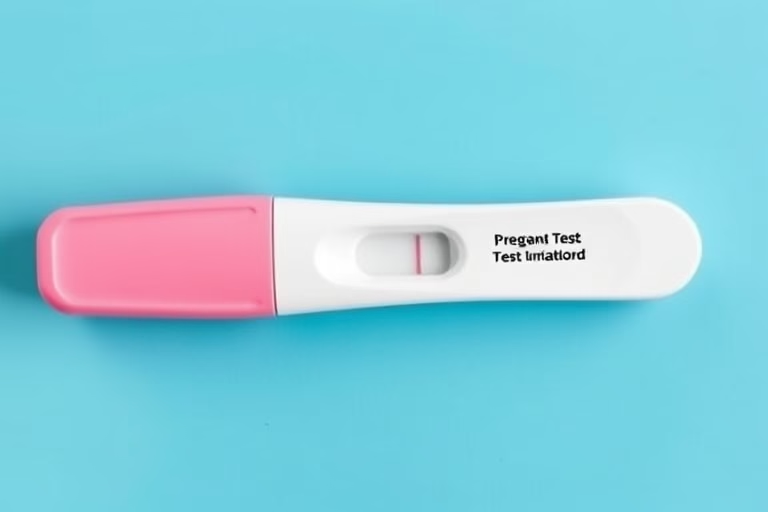
A pregnancy test is a medical test used to determine if a woman is pregnant by detecting the hormone hCG in urine or blood. These tests come in various forms, including home urine tests and laboratory blood tests.
Home pregnancy tests are usually the most accessible option, allowing women to test at their convenience. They are designed to be straightforward and provide results typically within a few minutes. Blood tests, on the other hand, are conducted in a medical setting and can detect pregnancy earlier than urine tests.
Understanding how these tests work can help in determining the best time to take a pregnancy test, especially after noticing signs like implantation bleeding.
Always follow the instructions provided with each pregnancy test to ensure accuracy. Timing is essential, as testing too early may yield incorrect results.
Timing of Implantation Bleeding
Implantation bleeding commonly occurs approximately a week before a woman’s expected period. Understanding the timing of this bleeding can help when deciding to take a pregnancy test. If a woman experiences light spotting around this time, she may wonder whether she can test for pregnancy immediately or if she should wait.
Generally, it is advised to wait a few days after the implantation bleeding has stopped before taking a pregnancy test. This waiting period allows the hCG levels in the body to rise sufficiently, leading to a more accurate test result.
Each woman’s body is different, so the timing may vary. Listening to your body and recognizing patterns in your cycle is essential for making an informed decision about testing for pregnancy.
Types of Pregnancy Tests
There are two primary types of pregnancy tests: urine tests and blood tests. Understanding the differences between them is critical when considering when to test after experiencing implantation bleeding.
Urine pregnancy tests are readily available at pharmacies and are easy to use. They are designed to be used at home, with results typically appearing within a few minutes. If testing after implantation bleeding, women may benefit from waiting a few days to ensure higher accuracy.
Blood tests are more sensitive and can detect pregnancy earlier than urine tests. They can provide quantitative results, helping to determine the exact level of hCG in the bloodstream. Blood tests are typically performed in a clinical setting and may be recommended if urine tests yield uncertain results.
Choosing the right type of test can depend on how soon one wants to confirm a pregnancy and if they have experienced any unusual symptoms.
Factors Influencing Testing Accuracy
Several factors can influence the accuracy of a pregnancy test, especially when taken after implantation bleeding. These include the timing of the test, the type of test used, and individual variations in hormone levels.
Taking the test too early may result in a false negative. The levels of hCG may not be high enough to be detected immediately after implantation bleeding. It is usually recommended to wait until at least the first day of a missed period for the most reliable results.
Other factors include the sensitivity of the pregnancy test and how closely instructions are followed during the testing process. Some tests are more sensitive and can detect lower levels of hCG, while others may require a higher concentration for an accurate reading.
In addition to testing too early, factors such as diluted urine (from excessive fluid intake before testing) can also affect test results. It is advisable to test first thing in the morning for the best accuracy.
When to Contact a Healthcare Provider
After experiencing implantation bleeding and taking a pregnancy test, knowing when to contact a healthcare provider is crucial for your health and well-being. If a test is positive, reaching out to a healthcare professional is recommended to confirm the pregnancy and discuss the next steps.
In cases where a pregnancy test is negative despite having symptoms consistent with pregnancy, such as significant cramping or heavy bleeding, seeking medical advice is wise. These symptoms can indicate a possible ectopic pregnancy or other complications that require prompt attention.
Regular check-ins with a healthcare provider during early pregnancy is important for monitoring the health of both mother and fetus. Discussing any doubts or concerns you have can provide peace of mind and ensure you receive proper care.
Common Myths about Pregnancy Testing
There are many myths surrounding pregnancy testing that can cause confusion for those trying to conceive. Understanding these myths is crucial for making informed decisions.
One common myth is that you can take a pregnancy test immediately after experiencing implantation bleeding. A test taken too soon may not provide accurate results due to low hCG levels again highlighted by the timing factor.
Another misconception is that all tests are equally sensitive. It is essential to read labels and choose a test that is known for detecting low hCG levels if you suspect you are pregnant shortly after implantation bleeding.
It is also believed that a negative pregnancy test guarantees that you are not pregnant. Factors such as testing too early, hormonal fluctuations, and improper testing techniques can all influence the results. Being aware of these myths can help clarify expectations regarding pregnancy testing.
Final Thoughts
The consideration of whether you can take a pregnancy test after implantation bleeding is a question of timing and understanding how pregnancy tests work. It is clear that testing too early could lead to misleading results. Following implantation bleeding, waiting a few days before testing can result in a more accurate reading.
Understanding the types of pregnancy tests available, recognizing factors that may influence their accuracy, and knowing when to seek the advice of a healthcare professional can significantly impact the process of determining pregnancy.
Engaging with these aspects assures individuals of their choices regarding pregnancy testing. Being informed about common myths surrounding pregnancy tests can also guide women in understanding their bodies, leading to more positive experiences during the journey of pregnancy confirmation.
In conclusion, effective understanding and timely decision-making play essential roles in navigating the question of whether you can take a pregnancy test after implantation bleeding. With the right knowledge, women can approach this sensitive matter with confidence and clarity.
Frequently Asked Questions
It is advisable to wait about three to four days after implantation bleeding ends to take an accurate home pregnancy test.
Yes, many women mistake light spotting from implantation bleeding for an early period. Implantation bleeding is usually lighter and shorter than a regular period.
Signs include light spotting that is often pink or brown and may be accompanied by slight cramping or no symptoms at all.
While implantation bleeding is associated with pregnancy, other factors can cause spotting. If uncertain, taking a pregnancy test can provide clarity.
Stress does not affect the accuracy of a pregnancy test but can result in missed periods, leading to further confusion regarding pregnancy confirmation.
Further Reading
What Type of Psychotherapy Is Best for Anxiety?