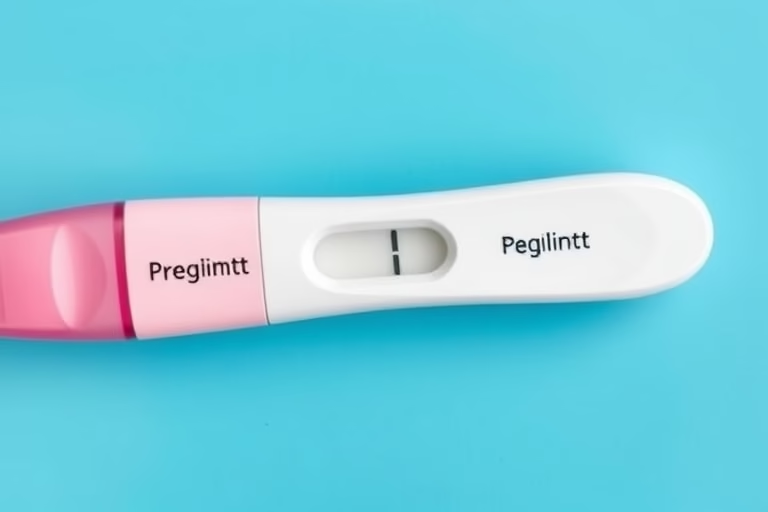
Understanding Pregnancy Tests and Implantation Bleeding
When discussing the query, “will a pregnancy test be positive after implantation bleeding”, it helps to understand both phenomena clearly. Implantation bleeding occurs when a fertilized egg attaches itself to the lining of the uterus, generally occurring about 6 to 12 days after conception. This light spotting is often one of the first signs of pregnancy, yet many women mistake it for an early menstrual period. Knowing the timing and characteristics of this bleeding is essential because it is closely linked to the accuracy of pregnancy tests.
Pregnancy tests work by detecting human chorionic gonadotropin (hCG), a hormone that begins to rise shortly after implantation. After implantation, it typically takes a few days for hCG to reach detectable levels in urine, which is why timing is crucial. Women may wonder about the correlation between a pregnancy test being positive following the occurrence of implantation bleeding, leading to important discussion points subsequently.
What is Implantation Bleeding?
Implantation bleeding is often light and typically occurs around the time you expect your period, making it challenging to identify. It can last from a few hours to a few days, and is characterized by a light pink or brown discharge instead of bright red blood, which is often indicative of menstruation.
Understanding this event can lead to questions about pregnancy tests. Many women might consider taking a pregnancy test as soon as they observe implantation bleeding. It is essential to understand that the timing of the test is critical.
Implantation bleeding is a normal part of early pregnancy for many women, but it does not happen to everyone. Not every woman will notice it, making it essential to connect this possibility with additional symptoms or pregnancy tests.
When to Take a Pregnancy Test After Implantation Bleeding
Pregnancy tests are designed to detect hCG levels in your body, which rise after implantation. For optimal accuracy, it is recommended to wait one to two days after suspected implantation bleeding to take a test. Timing allows hCG levels to increase to a point where the test can accurately detect it.
This becomes pivotal because testing too early could lead to a false negative result. Lack of proper timing and understanding of hCG production can lead to disappointment and confusion. Taking the test too early may leave many wondering if the results of the test truly reflect their reproductive status.
The best practice is to follow the instructions of the pregnancy test package and wait until at least the first day of your missed period for the most reliable result.
Some choose to take tests early with electronic apps or calendar trackers to assist in tracking ovulation and expected periods. These tools may often lead women to test prematurely, which can become an emotional rollercoaster if results are negative.
Significance of Early Pregnancy Symptoms
After experiencing implantation bleeding, many women may notice several early pregnancy symptoms, including nausea, breast tenderness, fatigue, and increased sensitivity to smells. These symptoms can represent common signs of early pregnancy, and understanding them in conjunction with the timing of a pregnancy test becomes essential.
Symptoms often vary from woman to woman. While some may experience many symptoms, others might only have a few or none at all. Pairing symptoms with a missed period can be a strong indicator of pregnancy.
Information on early pregnancy symptoms can provide comfort and insight, giving women tools to better understand their bodies and reproductive health.
Types of Pregnancy Tests Available
There are two primary types of pregnancy tests: urine tests and blood tests. Urine tests are frequently available over-the-counter and are convenient for home use, while blood tests require medical visits and may detect hCG earlier than urine tests.
Urine tests are the most commonly used, but they require patience as they may not deliver accurate results immediately after implantation. Blood tests, on the other hand, can detect pregnancy earlier, usually around 6 to 8 days after ovulation.
The choice between urine and blood tests can be impacted by multiple factors, including availability, personal preference, and whether healthcare consultation is possible. Understanding these differences can aid in making informed decisions about testing, especially in the face of potential implantation bleeding.
Potential Confusing Factors for Pregnancy Tests
Several factors can create confusion in interpreting pregnancy test results. These can include irregular menstrual cycles, hormonal imbalances, and even certain medical conditions. Women with irregular cycles may mistake the timing of their period for symptoms of early pregnancy, leading them to test at inappropriate times.
Medications can also affect test results. Some hormonal medications can elevate hCG levels, thus misleading the results of a pregnancy test. Understanding these confusing factors can help in navigating the complexities of determining pregnancy status.
In addition, chemical pregnancies may occur, which can create a situation where a woman may test positive for pregnancy but then have an early miscarriage. This confusion can be difficult and emotionally challenging for individuals seeking clarity on their status.
Understanding False Negatives and False Positives
False negatives may arise if a test is taken too early or if it isn’t performed according to the instructions, leading to misleading results concerning possible pregnancy. False positives, while rare, can occur due to the presence of certain medical conditions or if medication taken contains hCG.
Understanding the factors that lead to these possibilities is critical in handling the emotional and physical repercussions of pregnancy testing. Recognizing the signs and maintaining awareness about one’s health can improve reproductive health awareness.
Care should also be taken to follow the pregnancy test instructions, as incorrect usage can lead to incorrect interpretations. Machines and devices can often vary in sensitivity and effectiveness, reinforcing the importance of reading the guidelines thoroughly.
Emotional Impact of Implantation Bleeding and Pregnancy Testing
The emotional response surrounding potential pregnancy can be complex and multi-layered. Women experiencing implantation bleeding may feel a mix of excitement and anxiety, particularly if they are hoping for a positive outcome.
This emotional turmoil can extend to the testing phase, with feelings of anticipation, hope, and disappointment tied closely to the outcomes of the pregnancy tests. Understanding the mental aspect of this journey can be beneficial for individuals and couples as they navigate through this deeply personal experience.
It is vital to maintain open communication with partners and understanding one’s mental wellness throughout the experience. Seeking support or counseling may be necessary to manage anxiety or stress that can arise during this uncertain period.
Final Thoughts
In summary, understanding the relationship between implantation bleeding and pregnancy tests is crucial for anyone trying to conceive or suspecting they might be pregnant. While implantation bleeding can be one of the early signs of pregnancy, the timing in relation to hCG detection through tests is essential for accurate results. Waiting adequately after implantation bleeding to take a pregnancy test can help ensure that the results reflect your true condition.
Factors such as the type of test used, early pregnancy symptoms, and the potential for false results play significant roles in this process. By grasping these key aspects, individuals can feel more in control during this emotional time, capable of making informed decisions about their reproductive health.
Ultimately, understanding the nuances involved can lead to better emotional management and clarity. It is essential to consult healthcare providers when uncertainties arise, ensuring that you have a support system that directs you through the journey of pregnancy and its related experiences.
Frequently Asked Questions
No, it is recommended to wait a few days after implantation bleeding to ensure accurate hCG levels for testing.
A negative result may indicate testing too early or the absence of pregnancy despite implantation bleeding.
Generally, waiting at least one to two days after implantation bleeding is advisable for the most accurate test result.
No, not all women will experience implantation bleeding; its occurrence varies significantly among individuals.
Common early pregnancy symptoms include nausea, fatigue, missed periods, and breast tenderness.
Further Reading
What Type of Psychotherapy Is Best for Anxiety?