Understanding Implantation Bleeding
Implantation bleeding is a light spotting that occurs when a fertilized egg attaches itself to the lining of the uterus. This can happen around six to twelve days after conception, which is typically around the time you expect your menstrual period. This light bleeding is often one of the first signs of pregnancy. Women may mistake it for an early period, but implantation bleeding is generally much lighter in color and flow.
It’s essential to understand the timing of implantation bleeding as it plays a significant role in determining when to take a pregnancy test. Most women experience various physical and emotional changes during this time, making it crucial to recognize the signs accurately. Knowing how to differentiate between regular menstrual bleeding and implantation bleeding can enhance your understanding of your body’s changes and help time your pregnancy test correctly.
What is Implantation Bleeding?
Implantation bleeding occurs as a result of the embryo embedding itself into the uterine wall, causing tiny blood vessels to break. This is generally a very light bleeding that can last from a few hours to a few days. The color can vary from light pink to brownish and is usually not enough to fill a pad. Most women experiencing implantation bleeding might confuse it with their menstrual period, but this spotting occurs much earlier and can be less intense.
Awareness of implantation bleeding is essential for women trying to conceive. Recognizing this symptom can be a sign that pregnancy has occurred, and being able to distinguish it from menstruation can help manage expectations regarding when to take a pregnancy test.
Recognizing the difference is essential, especially for women who are trying to conceive. It’s recommended to keep track of your cycle, noting any unusual bleeding patterns. Additionally, being aware of other early pregnancy signs, such as nausea or breast tenderness, can also aid in determining pregnancy status. Understanding these nuances can be empowering in tracking one’s reproductive health.
How to Identify Implantation Bleeding
Certain characteristics can help in identifying implantation bleeding. Here are some features that distinguish it from regular menstrual bleeding:
- Timing: Implantation bleeding typically occurs between 6 to 12 days after conception, significantly earlier than a regular period.
- Color: The color of implantation bleeding is often light pink or brown. In contrast, menstrual blood is usually bright red.
- Flow: Implantation bleeding is light, often described as a few spots or a light discharge, while menstrual bleeding is heavier.
- Duration: This type of bleeding usually lasts only a few hours to a couple of days, whereas a menstrual flow lasts longer.
Recognizing these characteristics can help prepare for a possible pregnancy. Keeping a symptom diary can assist individuals in tracking their cycle and spotting any deviations that may indicate implantation bleeding.
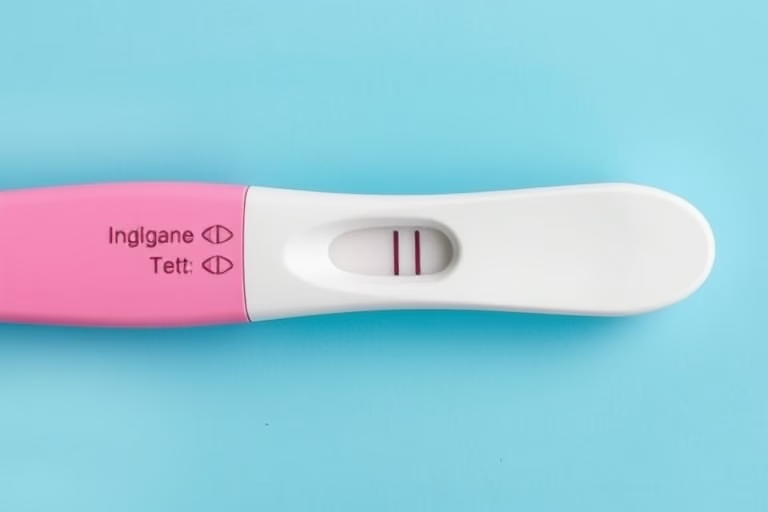
To confirm your suspicions, it is advisable to wait until the expected date of your period before taking a home pregnancy test. This is to ensure that your body has produced enough human chorionic gonadotropin (hCG) hormone, which will be detectable in a pregnancy test.
Timing for Taking a Pregnancy Test
Taking a pregnancy test at the right time is crucial for accuracy. For those experiencing signs of implantation bleeding, the timing generally adheres to a few guidelines:
- Wait until the first day of your missed period to take a home pregnancy test. By this time, your body produces enough hCG for a reliable reading.
- If you notice implantation bleeding and suspect you might be pregnant, waiting 3 to 4 days after the bleeding has stopped before taking a test can improve accuracy.
- Some sensitive tests are capable of detecting lower levels of hCG, allowing for testing a few days before your missed period. However, depending on the timing of ovulation and implantation, results may vary.
If you get a negative result but still suspect you might be pregnant, consider retesting a few days later. Levels of hCG can double every 48 hours in early pregnancy, which can lead to different results over time.
Types of Pregnancy Tests Available
Various pregnancy tests are available for use. The two primary types are:
- Home urine tests: These are convenient for home use and detect hCG in urine.
- Blood tests: Conducted in a medical facility and can detect lower levels of hCG, offering more comprehensive results.
When considering which method to use, it’s important to note that home tests are generally reliable when taken after the first missed period. On the other hand, blood tests can provide results earlier and can be crucial if you are trying to conceive and want confirmation before a missed period.
Common Myths About Implantation Bleeding
There are numerous myths surrounding implantation bleeding, which can create confusion. Here are a few:
- Myth: Implantation bleeding is always noticeable. Not everyone will experience noticeable implantation bleeding; some women may not have any bleeding at all.
- Myth: The bleeding will be heavy. Implantation bleeding is light. Heavy bleeding at this stage could signify other issues.
- Myth: It signifies pregnancy every time. While it is a sign of pregnancy, it’s not definitive. Women may experience bleeding for various reasons.
Understanding these myths can prevent unnecessary anxiety. Always consult a healthcare provider if unsure about any symptoms you may be experiencing.
Signs of Early Pregnancy
In addition to implantation bleeding, several early signs may indicate pregnancy, such as:
- Missed Period: One of the most obvious signs for women.
- Nausea: Often referred to as “morning sickness,” can occur at any time of the day.
- Sore Breasts: Due to hormonal changes, many women experience tenderness.
- Fatigue: Feeling unusually tired is common in early pregnancy.
Being aware of these signs can provide crucial insights into your body’s changes and assist in making informed decisions regarding pregnancy testing. If there are any concerns regarding symptoms, consulting a healthcare professional is advisable.
When to Seek Medical Attention
While implantation bleeding is generally harmless, certain signs may indicate a need to seek medical attention:
- If you experience heavy bleeding
- If you have severe abdominal pain
- Spotting accompanied by dizziness or fainting
Recognizing these signs early can be crucial. It’s particularly important if you suspect that you could be pregnant and are encountering unusual symptoms. Always prioritize health and seek appropriate medical care.
Final Thoughts
Understanding implantation bleeding and knowing when to take a pregnancy test is essential for women trying to conceive. The experience of implantation bleeding can differ from person to person, but recognizing its signs can be valuable in tracking reproductive health.
Testing too early can lead to inaccurate results that may cause unnecessary stress and confusion. Patients should remember that while home pregnancy tests are reliable, they are not infallible. Patience is key, and it is advisable to follow up with a healthcare provider to confirm results.
In summary, if you suspect pregnancy through the signs of implantation bleeding, consider the timing of your pregnancy test carefully. Track symptoms and menstrual cycles, and remain aware of early pregnancy signs. Consulting healthcare professionals can provide further guidance and support throughout this journey.
Frequently Asked Questions
- What is implantation bleeding? Implantation bleeding is light spotting that occurs when a fertilized egg attaches to the uterine wall.
- How long does implantation bleeding last? It typically lasts a few hours to a couple of days.
- When should I take a pregnancy test after implantation bleeding? Wait until the first day of your missed period for accurate results, or about 3-4 days after the bleeding stops.
- Is it possible to experience implantation bleeding and not be pregnant? Yes, various factors can cause bleeding, and it’s not a definitive sign of pregnancy.
- When should I seek medical attention for spotting? Seek medical attention if the bleeding is heavy, severe pain is experienced, or if spotting is accompanied by dizziness or fainting.
Further Reading
What Type of Psychotherapy Is Best for Anxiety?