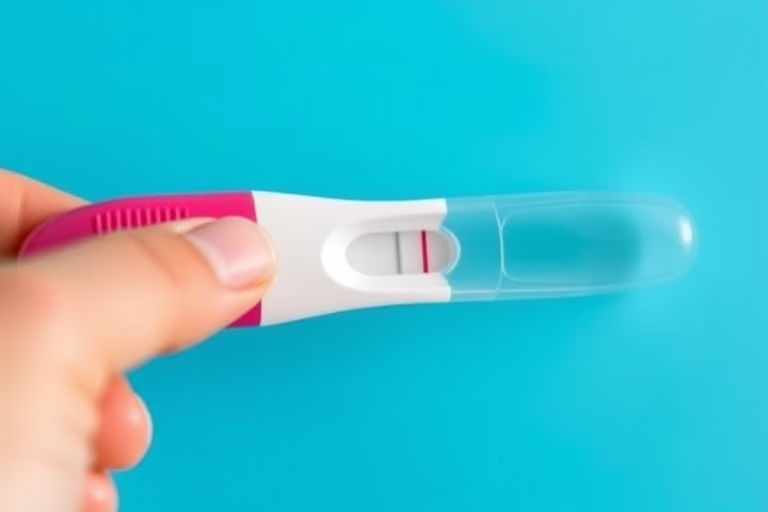
Understanding Positive Test After Implantation Bleeding
When discussing a positive test after implantation bleeding, it’s essential to recognize the mechanics of this occurrence. Implantation bleeding can happen when a fertilized egg attaches itself to the lining of the uterus, often resulting in light spotting that may be mistaken for a period. For many women, this can be one of the early signs of pregnancy. A positive pregnancy test following this bleeding is a significant indicator that the body is undergoing hormonal changes typical of pregnancy. Understanding the timing and signs of this process can provide clarity and reassurance for those trying to conceive.
Approximately six to twelve days post-ovulation is when implantation bleeding typically occurs. Although the blood flow might be lighter and shorter than regular menstruation, distinguishing between the two is vital. Recognizing this as a potential sign of pregnancy is crucial for individuals as they navigate their fertility journey. Moreover, a positive pregnancy test shortly thereafter solidifies this possibility, driving excitement and hope for many.
Signs of Implantation Bleeding
Implantation bleeding is often a very subtle sign. It’s important to recognize its distinguishing characteristics.
- Timing: Implantation bleeding generally happens about a week or so before your expected period.
- Color: The color of the blood can vary from light pink to brown, indicating that it’s older blood.
- Flow: This bleeding is usually lighter and of shorter duration compared to a standard menstrual cycle.
- Accompanied Symptoms: Some women may experience mild cramping and breast tenderness as additional signs of implantation.
Recognizing these signs can play a crucial role in understanding what your body is experiencing during early pregnancy, and can help in deciding when to take a pregnancy test.
Your ability to differentiate implantation bleeding from menstruation is vital. If you notice spotting around the time of your expected period and it is lighter or different in color than your typical flow, it could be a sign of implantation bleeding.
Taking a Pregnancy Test
After experiencing implantation bleeding, the next step is taking a pregnancy test. Waiting a few days is often recommended for the most accurate result.
Most home pregnancy tests work by detecting the hormone hCG (human chorionic gonadotropin), which is produced shortly after a fertilized egg implants in the uterus. When taking a test, consider the following:
- Timing: It’s best to wait at least a few days after implantation bleeding for the hormone level to rise significantly.
- Type of Test: Opt for a reputable home pregnancy test that is sensitive enough to detect lower levels of hCG.
- Follow Instructions: Carefully read and follow the instructions on the test package for the best results.
If you receive a positive test result after implantation bleeding, it generally means that pregnancy is likely. Following up with a healthcare provider is advisable for confirmation and to discuss next steps.
Interpreting Your Results
Receiving a positive result after taking a pregnancy test can come with mixed emotions, especially if it follows the unusual spotting of implantation bleeding.
Several factors can influence the interpretation of your pregnancy test results:
- Timing of the Test: Tests taken too early may yield false negatives; waiting increases reliability.
- Test Sensitivity: Different tests have varying levels of sensitivity to hCG.
- Consult a Medical Professional: After a positive test, consulting with a healthcare provider confirms your pregnancy and ensures you receive appropriate care.
Being aware of these elements can provide reassurance as you navigate the early stages of pregnancy.
Common Concerns After a Positive Test
Following a positive test after experiencing implantation bleeding, many women have various concerns. Addressing these concerns can alleviate anxiety and promote well-being.
- Viability of Pregnancy: Many worry about whether the pregnancy will continue healthily. Early prenatal care is recommended for peace of mind.
- Health Implications: Understanding genetic testing options and prenatal vitamins is beneficial during this time.
- Emotional Well-Being: It’s normal to experience heightened emotions. Support from loved ones can help during this transitional phase.
In seeking support and information, feelings of uncertainty and anxiety can often be mitigated, leading to a healthier mindset during pregnancy.
Next Steps After a Positive Test
Once you receive a positive test result after implantation bleeding, there are several recommended actions to take:
- Schedule a Doctor’s Appointment: Confirm your pregnancy and assess your overall health.
- Start Prenatal Care: A healthcare provider may suggest start taking prenatal vitamins to support the developing fetus.
- Monitor Symptoms: Keep track of any symptoms you experience, and report any concerns to a healthcare professional.
Having guidance during these early stages is crucial for ensuring a healthy pregnancy experience. Your next steps lead to the beginning of an exciting journey.
Final Thoughts
Experiencing extraction bleeding and subsequently receiving a positive test result can stir up various feelings and thoughts. The steps to take are critical in understanding early pregnancy and ensuring both maternal and fetal well-being.
Being cognizant of signs of implantation bleeding, effectively taking and interpreting a pregnancy test, and addressing common concerns is crucial. It prepares you for what lies ahead. Consulting a healthcare professional adds an additional layer of assurance, confirming your health status and discussing any next steps.
Being informed is empowering. Engaging with reliable resources, utilizing support systems, and maintaining open lines of communication with healthcare providers ensure that this early stage of pregnancy can be navigated with hope and positivity. Remember, every journey is unique, and it’s essential to prioritize your well-being as changes unfold.
By understanding the process and aligning with healthcare guidance, you place yourself in a strong position for a healthy pregnancy journey.
Frequently Asked Questions
1. What does implantation bleeding look like?
Implantation bleeding usually appears as light pink or brown spotting, differing from the bright red blood typically associated with menstruation. It should be lighter and last for a shorter duration.
2. When does implantation bleeding occur?
This type of bleeding usually happens six to twelve days after conception, around the time when you would expect your period to start.
3. Can I take a pregnancy test immediately after noticing implantation bleeding?
It’s best to wait a few days after implantation bleeding to ensure an accurate test result, as hCG levels may not be high enough yet for reliable detection.
4. What if I have a negative test result after experiencing implantation bleeding?
If you experience a negative result but have symptoms of pregnancy or unusual bleeding patterns, it is advised to consult a healthcare professional for further evaluation.
5. Is it normal to experience cramping alongside implantation bleeding?
Some women may experience mild cramping during implantation bleeding, which is generally considered normal. However, if any pain is severe or accompanied by heavy bleeding, seeking medical advice is advised.
Further Reading
What Type of Psychotherapy Is Best for Anxiety?