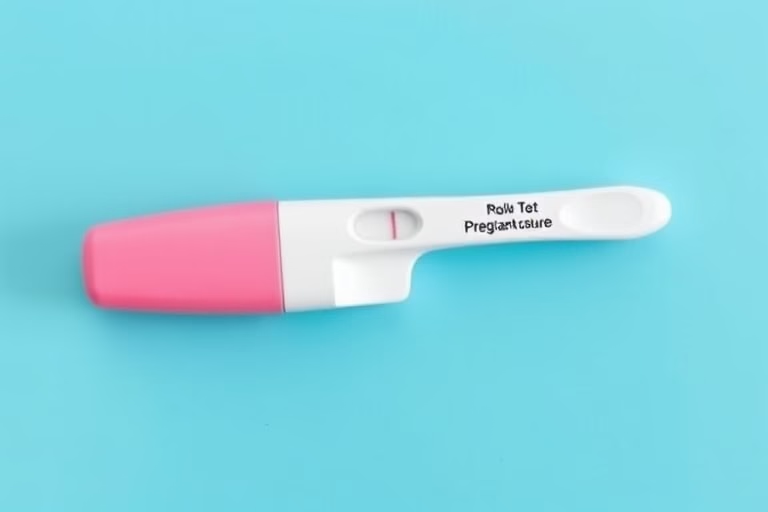
Understanding Implantation Bleeding
Implantation bleeding occurs when a fertilized egg attaches itself to the lining of the uterus. This usually happens about 6 to 12 days after conception. The bleeding is typically light, often described as spotting, and may come accompanied by some mild cramping. Many women may confuse this with their regular menstrual bleeding, but it is distinct in its timing, duration, and flow. Implantation bleeding is regarded as one of the early signs of pregnancy, signaling that the body is undergoing significant changes.
This blood loss can last from a few hours up to three days, and its color can range from pink to brown. It is important to note that not all women experience implantation bleeding, and its presence does not guarantee pregnancy. Many factors can influence this, and understanding these dynamics plays a crucial role, particularly for those looking to conceive.
When to Take a Pregnancy Test
Timing is everything when it comes to taking a pregnancy test. A home pregnancy test detects the presence of the hormone human chorionic gonadotropin (hCG) in urine. The ideal time to take a pregnancy test is after a missed period. However, testing too early, especially during implantation bleeding, can lead to inaccurate results.
Many tests recommend waiting at least one week after a missed period for reliable results. If you suspect pregnancy and experience implantation bleeding, it may be advisable to wait a few days before testing. This strain of timing helps ensure the hCG levels are high enough to be detected, increasing the likelihood of accurate results.
Testing during the implementation phase can yield faint lines or negative results due to insufficient hCG levels. If a test shows negative but a period has not arrived a few days later, it may be worth retesting.
Signs of Implantation Bleeding vs. Normal Menstrual Bleeding
Understanding the differences between implantation bleeding and a regular menstrual period can help in assessing one’s pregnancy status. Implantation bleeding tends to be much lighter than a typical menstrual flow. As an essential factor, the timing of the bleeding is also different—implantation bleeding generally occurs about a week before a menstruation cycle is expected.
Some key distinctions include:
- Flow: Implantation bleeding usually presents as light spotting, whereas menstrual periods often have a heavier and consistent flow.
- Color: The color of implantation bleeding can vary from light pink to brown, while menstrual bleeding is typically bright red and may darken as the cycle progresses.
- Duration: Implantation bleeding lasts a few hours to a couple of days, whereas menstrual periods can last anywhere from three to seven days.
Being aware of these differences can provide insight into whether one might be pregnant, ultimately influencing decisions regarding testing.
Possible Symptoms During Implantation
Apart from light spotting, there are several potential symptoms that can present during the implantation process. These might include:
- Mild Cramping: As the embryo attaches to the uterine lining, some women may experience mild cramping. This differs from period cramps as it is usually less intense.
- Bloating: Some women report feelings of bloating, similar to what they might feel before their menstrual period.
- Change in Breasts: Hormonal changes may lead to tenderness or changes in breast size and sensitivity.
- Fatigue: Many women feel an increase in fatigue early in pregnancy, influenced by hormonal shifts in the body.
Recognizing these early indicators can be helpful, but it’s important to remember that not every woman will experience these symptoms, and their appearance can vary widely.
Interpreting Pregnancy Test Results
Interpreting the results of a pregnancy test is crucial for understanding one’s pregnancy status. Home pregnancy tests usually provide two types of results: positive or negative. A positive result indicates that the test has detected hCG, suggesting a pregnancy. Conversely, a negative result indicates the absence of the hormone, typically correlating with a lack of pregnancy.
However, results can sometimes be tricky:
- Faint Line: If only a faint line appears, this could indicate very early pregnancy, particularly if the test is taken during implantation bleeding.
- Timing Issues: Testing too early can lead to false negatives. If a period is late, retesting with a fresh test a few days later can yield more accurate results.
Following the manufacturer’s guidelines on reading the test and waiting for suggested times can prevent misunderstandings in test interpretation.
An Overview of Home Pregnancy Tests
Home pregnancy tests are widely accessible and vary by brand, offering various degrees of accuracy and detection sensitivity. When considering a home pregnancy test, it’s essential to review the following:
- Testing Sensitivity: Different tests can detect varying levels of hCG, with some being more sensitive than others. Choosing a sensitive test can lead to earlier detection of pregnancy.
- Expiration Date: Always check the expiration date before use, as an expired test may provide inaccurate results.
- Instructions: Each test comes with instructions that should be followed closely to ensure accuracy.
Many individuals find it beneficial to compare various tests before purchase and to ensure they have a reliable option for testing. When results are inconclusive or if there is uncertainty, consulting with a healthcare provider is advisable.
Seeking Confirmation from a Healthcare Provider
After taking a pregnancy test, many women seek professional confirmation. It is advisable to consult a healthcare provider, particularly if there are uncertainties about test results or if pregnancy is confirmed. A healthcare provider may recommend a blood test, which can detect hCG levels earlier than urine tests.
Additionally, a healthcare provider can help clarify symptoms, provide nutritional guidance, discuss prenatal care, and outline what to expect during early pregnancy. Taking these proactive steps can significantly contribute to a healthy pregnancy journey.
Final Thoughts
The experience of implantation bleeding is often confusing yet can signal the exciting beginning of a pregnancy. Understanding the nuances of when to take a pregnancy test during this period is crucial. Early testing may not yield reliable results due to low levels of hCG that the test can detect, making it essential to exercise patience. Testing ideally occurs after a missed period for the most accurate results.
Recognizing the signs of implantation bleeding versus normal menstrual flow can provide insight that guides decisions about testing. Symptoms such as mild cramping, breast tenderness, and fatigue can further inform one’s pregnancy status. When taking a test, proper interpretation of results is critical, with consideration for retesting if initial results indicate a negative outcome after a late period.
Home pregnancy tests hold significant convenience, but it is imperative to choose wisely, adhere to instructions, and seek professional guidance when required. For many, facing early pregnancy can indeed be an overwhelming yet exhilarating experience. It is always advisable for women to trust their instincts, listen to their bodies, and seek assistance as they navigate through the journey of pregnancy and motherhood.
Frequently Asked Questions
Yes, you can, but wait a few days after the bleeding for more accurate results.
It is usually light pink or brown, appearing as spotting rather than a heavy flow.
This can last from a few hours to about three days.
Wait at least a few days after the bleeding or until after a missed period for the best results.
Implantation bleeding is typically lighter, shorter in duration, and occurs about a week before your expected period.
Further Reading
What Type of Psychotherapy Is Best for Anxiety?