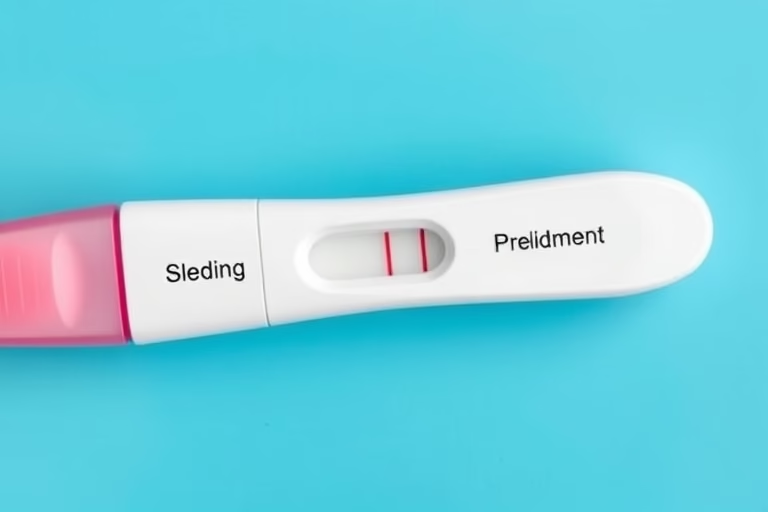
Understanding Implantation Bleeding
Implantation bleeding occurs when a fertilized egg attaches itself to the lining of the uterus. This event usually takes place a week or so after conception, around the time a woman might expect her period. It can manifest as light spotting or brownish discharge, distinguishing it from a typical menstrual flow.
For many women, this is an early sign of pregnancy and can lead to confusion regarding results from home pregnancy tests. The critical question arises, *will a pregnancy test be positive with implantation bleeding?* The answer often lies in the timing of the test and the levels of the pregnancy hormone hCG (human chorionic gonadotropin) in the body. Understanding this relationship is essential for those trying to determine if they are pregnant.
Timing of Pregnancy Tests
Pregnancy tests measure the presence of hCG in a woman’s urine. It is important to take the test at the right time to ensure accuracy. Most tests are designed to be taken after a missed period, which allows for sufficient hCG production to be detected.
If a woman experiences implantation bleeding, she might be tempted to take a test early. Testing too early can yield a false negative result, as it may not account for the hCG levels that begin to rise post-implantation. To improve odds of a positive result, it’s often recommended to wait three to four days after the bleeding before taking the test.
Waiting allows the body time to produce more hCG, which is vital for a definitive positive test result. Testing too early can lead to disappointment and confusion, while waiting can provide clearer answers.
Characteristics of Implantation Bleeding
Identifying implantation bleeding is essential in differentiating it from a normal period. Key characteristics to note include:
- Timing: Implantation bleeding typically occurs 6 to 12 days after conception.
- Color: It often appears as light pink or brown rather than the bright red of menstrual blood.
- Flow: Implantation bleeding is usually light and doesn’t require the use of tampons or pads.
- Duration: It often lasts a few hours to three days, whereas a period lasts longer.
Recognizing these traits helps women determine if they may be experiencing implantation bleeding and can influence the timing of a pregnancy test.
Causes of Implantation Bleeding
Understanding what causes implantation bleeding can clarify its significance during early pregnancy. When a fertilized egg embeds itself into the uterine wall, it can disrupt small blood vessels, resulting in light spotting. This occurrence is completely natural and harmless for most women.
It is essential to recognize that not everyone experiences implantation bleeding. About one-third of women may notice it, while others may not. This variability does not affect the outcome of the pregnancy in any way.
Differences Between Implantation Bleeding and Menstrual Period
While implantation bleeding can mimic a menstrual period, there are distinct differences. This makes it essential for women to learn how to differentiate between the two, as understanding these variations can inform their decision to take a pregnancy test.
Some notable differences include:
Women who can identify these signs will have better clarity on their state of pregnancy and can act accordingly regarding testing and healthcare choices.
Understanding hCG Levels
The levels of hCG are vital for any pregnancy assessment. After conception, hCG starts to rise, usually becoming detectable in urine around 14 days post-ovulation. The higher the level of hCG, the more likely a pregnancy test will yield positive results.
However, it’s important to note that hCG levels can vary widely in early pregnancy. Some women may produce higher levels sooner than others, which can affect the timing and accuracy of pregnancy tests. It is essential to follow the test manufacturer’s instructions, as different tests may have varying sensitivity to hCG.
In cases of implantation bleeding, hCG levels will significantly rise, usually becoming detectable within a few days. This knowledge can empower women to make informed choices about when to take a pregnancy test for the best chances of receipt of accurate results.
Consulting with a Healthcare Provider
Individuals uncertain about implantation bleeding or interpreting test results should maintain an open line of communication with their healthcare provider. This step is particularly important for ensuring overall health and well-being during early pregnancy.
If pregnancy is suspected but results are negative, or if any unusual symptoms occur, consulting a doctor is crucial. A healthcare provider can offer valuable insights and, if necessary, perform blood tests for more accurate hCG readings.
Engaging a healthcare provider also allows for timely monitoring and addressing any potential concerns that may arise during this early and often confusing stage of pregnancy.
Common Misconceptions about Implantation Bleeding
Many myths surround implantation bleeding, contributing to confusion among expectant mothers. For instance, some may mistakenly believe that all women will experience this phenomenon when they become pregnant. However, as noted prior, many women will not experience any spotting at all.
Another common misconception is that test results may remain consistent, resulting in false hope or undue distress. It’s essential to recognize that hCG levels vary and the fragility surrounding early pregnancy requires caution in both expectations and decisions regarding testing.
Finally, some might think that implantation bleeding indicates a high risk for complications, which is not usually the case. Understanding these misconceptions can help women approach their pregnancies with clarity and confidence.
Final Thoughts
Determining whether a pregnancy test will be positive following implantation bleeding deeply revolves around understanding timing, hCG levels, and recognizable signs associated with this early pregnancy event. It is crucial to recognize the differences between implantation bleeding and menstrual periods, as well as reaching out to healthcare providers for guidance and support.
The relationship between implantation bleeding and pregnancy tests is complex but manageable with the right information. By understanding when to test, how to read results, and what to expect during early pregnancy, women can empower themselves during this exciting yet often anxiety-inducing time.
Remember, patience is key. If a pregnancy test yields a negative result following suspected implantational bleeding, it is always a good idea to retest a few days later. Women should also remain aware of their bodies and recognizable signs during this journey.
For those navigating early pregnancy, keeping an open dialogue with health care professionals can provide insights and help clarify uncertainties as they arise.
Frequently Asked Questions
1. What is implantation bleeding?
Implantation bleeding is light spotting that may occur when a fertilized egg attaches to the uterine wall, typically around six to twelve days after conception.
2. How do I know if it’s implantation bleeding?
It usually appears as light pink or brown spotting, is significantly lighter than a regular period, and lasts a shorter duration, typically a few hours to a few days.
3. Can I take a pregnancy test during implantation bleeding?
It’s advisable to wait a few days after implantation bleeding for the optimal chance of a positive result, as hCG levels may not yet be high enough if tested too early.
4. Are there any risks associated with implantation bleeding?
Implantation bleeding is generally harmless and does not indicate complications. However, if accompanied by severe pain or heavy bleeding, consult a healthcare provider.
5. How soon will a pregnancy test show a positive result after implantation bleeding?
Most home pregnancy tests can accurately detect pregnancy after about four days post-implantation bleeding when hCG levels are presumably higher.
Further Reading
What Type of Psychotherapy Is Best for Anxiety?