Understanding Implantation Bleeding
The term implantation bleeding refers to light spotting that can occur when a fertilized egg attaches itself to the lining of the uterus. This event typically happens around 6 to 12 days after conception. The bleeding is often lighter than a typical menstrual period and might not last longer than a few hours. Many women who are trying to conceive may notice this bleeding and wonder about its significance in relation to their pregnancy status.
If you experience spotting that you suspect might be implantation bleeding, it is important to remember that not everyone will experience this phenomenon. Some women may not notice any bleeding at all, while others may see only a faint pink or brown discharge. Understanding the days after implantation bleeding and when to take a pregnancy test are crucial steps in confirming a pregnancy.
Timing of a Pregnancy Test After Implantation Bleeding
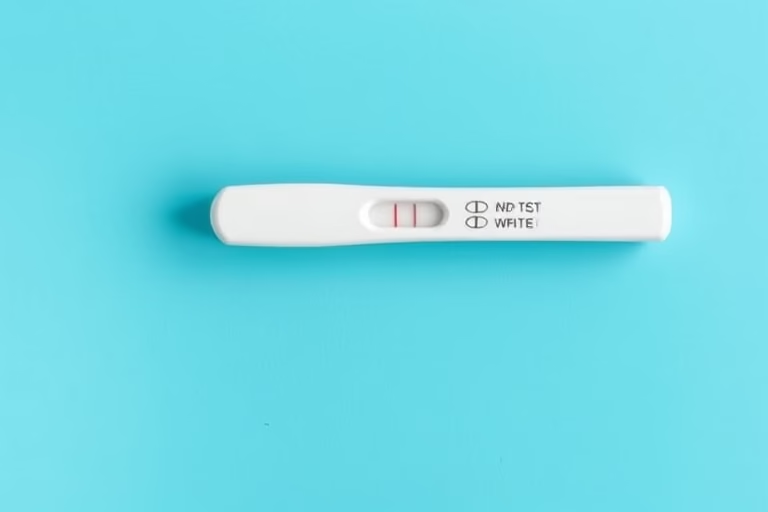
One significant question that many women have is when is the best time to take a pregnancy test post-implantation bleeding. It is recommended to wait at least a few days after the spotting to ensure that hormone levels are elevated enough to be detected by a home pregnancy test. The hormone hCG, or human chorionic gonadotropin, is what these tests measure to determine pregnancy. After implantation, it takes time for this hormone to build up in the body, reaching detectable levels.
Generally, a test taken too early may yield a false negative, providing a sense of relief that is unwarranted if a woman is indeed pregnant. Therefore, it is advisable to wait about a week after the implantation bleeding for the most reliable results. This is usually around the time when a missed period would occur, allowing hormonal levels to stabilize.
To improve the accuracy of the test, it is best to take it during the mornings when the urine is most concentrated. Be sure to follow the instructions on the pregnancy test to achieve optimal results.
Factors Affecting Pregnancy Test Accuracy
Understanding factors that could potentially affect pregnancy test accuracy is vital for women who might be facing a pregnancy. For those who experience implantation bleeding, several elements can come into play:
- Timing: As mentioned, testing too early may yield a false negative result.
- Type of Test: Some tests are more sensitive than others, and being aware of the sensitivity of the test can affect results.
- Hormonal Fluctuations: Women’s bodies may vary in how quickly they produce hCG, especially if they have irregular cycles.
- Medication: Certain medications may interfere with test results, particularly those related to fertility or hormonal treatments.
- Conditions: Some medical conditions might affect hormone levels and result in misleading test outcomes.
Keeping these factors in mind can help in gaining a more accurate assessment of the pregnancy status. It’s often recommended to consult a healthcare provider for further guidance if there are discrepancies in test results or if there are concerns about the timing of the tests.
Common Symptoms After Implantation Bleeding
Following implantation bleeding, women may experience various symptoms that signal potential pregnancy. Recognizing these symptoms can help in understanding the body’s changes in the early phases of conception:
- Breast Tenderness: Hormonal changes in early pregnancy can lead to increased sensitivity and tenderness in the breasts.
- Fatigue: Many women feel an overwhelming sense of tiredness as their body adjusts to pregnancy.
- Nausea: Often referred to as morning sickness, it may start around this time, leading women to feel nauseous or even vomit.
- Frequent Urination: Due to increased blood flow and hormone changes, many experience a greater urge to urinate.
- Food Cravings or Aversions: Changes in taste preferences can start to surface, leading to cravings for specific foods or aversions to certain smells.
While these symptoms can indicate pregnancy, they aren’t exclusive to it, and some may occur for reasons unrelated to conception. Keeping track of these changes can help women clarify their experiences as they navigate possible pregnancy.
How Implantation Bleeding Differs from Menstrual Bleeding
Understanding the differences between implantation bleeding and menstrual bleeding is crucial for women trying to conceive. While both involve vaginal bleeding, their characteristics can greatly differ:
- Timing: Implantation bleeding occurs about a week before a woman’s expected period, while menstrual bleeding follows the regular monthly cycle.
- Color: Implantation bleeding often appears as light pink or brown when compared to the typical red color of menstrual blood.
- Flow: Spotting is usually very light during implantation, unlike menstrual bleeding, which generally has a much heavier flow.
- Duration: Implantation bleeding usually lasts for only a few hours to a couple of days, while a menstrual period can last from three to seven days.
By recognizing these differences, women can clarify whether they are experiencing early signs of pregnancy or a normal menstrual cycle, leading to better decisions about taking a pregnancy test.
When to Consult a Healthcare Provider
It’s essential to know when to seek professional medical advice after experiencing implantation bleeding. A consultation may be necessary if:
- The bleeding is heavy: If the bleeding resembles a menstrual period or is accompanied by severe pain, it may warrant attention.
- Unusual symptoms arise: The onset of extreme fatigue, dizziness, or fainting can indicate potential issues.
- Repeated miscarriages occurred: Women with a history of miscarriages should consult a healthcare provider for guidance whenever they experience symptoms related to pregnancy.
- Pregnancy is desired: Women with ongoing fertility issues may need assistance even after implantation bleeding.
It is always better to prioritize health and wellbeing by consulting with a healthcare professional when in doubt, as they can perform necessary tests and guide lifestyle changes to ensure a successful pregnancy.
Final Thoughts
Understanding the days after implantation bleeding and the subsequent steps for determining pregnancy is crucial for women trying to conceive. By being aware of the timing of pregnancy tests, recognizing symptoms, and knowing the differences between implantation and menstrual bleeding, women can make informed decisions about their reproductive health.
It is always important to keep key factors in mind that can affect the accuracy of pregnancy tests, including the timing of the test, the type of test being used, and personal hormonal fluctuations. Furthermore, recognizing the symptoms of early pregnancy can prompt women to seek professional guidance, especially if unusual symptoms arise or if there is a history of fertility issues.
Finally, patience is essential when navigating early pregnancy signs and tests. Allowing time for hormone levels to rise can significantly improve the accuracy of a pregnancy test. If any concerns arise, consulting a healthcare provider ensures that women can receive the most personalized and accurate medical advice available. In doing so, women empower themselves in their reproductive journeys.
Frequently Asked Questions
1. How long after implantation bleeding can I take a pregnancy test?
It is generally recommended to wait about a week after implantation bleeding before taking a pregnancy test. This waiting period allows for the hormone hCG to build up to detectable levels.
2. Is implantation bleeding a sign of pregnancy?
Yes, implantation bleeding can be an early sign of pregnancy as it occurs when a fertilized egg attaches to the uterine lining. However, not all women experience this symptom.
3. Can I confuse implantation bleeding with my period?
It is possible to confuse implantation bleeding with a light period. Implantation bleeding is generally lighter in flow, shorter in duration, and may be a different color compared to menstrual blood.
4. What should I do if my pregnancy test is negative but I still suspect I am pregnant?
If a pregnancy test yields a negative result but you suspect pregnancy, wait a few days and retest. If symptoms persist or concerns remain, consult a healthcare provider for further evaluation.
5. Is it normal to experience cramping with implantation bleeding?
Light cramping can occur with implantation bleeding due to the process of the fertilized egg implanting into the uterine lining. However, if cramps are severe or accompanied by heavy bleeding, it’s essential to seek medical advice.
Further Reading
What Type of Psychotherapy Is Best for Anxiety?