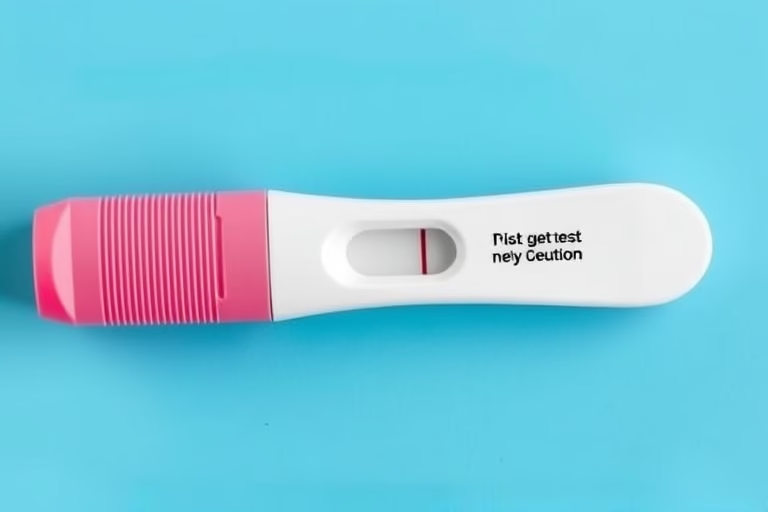
Understanding Implantation Bleeding
Many women experience various symptoms and changes throughout their menstrual cycle, among which one significant event is implantation bleeding. This event occurs when a fertilized egg attaches itself to the lining of the uterus. It typically happens around 6 to 12 days after conception, which may coincide with the expected time of a woman’s next period. Implantation bleeding can sometimes cause confusion, particularly in distinguishing it from a regular menstrual cycle. Understanding this phenomenon is crucial, especially when considering the timing of pregnancy tests.
As implantation bleeding occurs prior to when a missed period would normally happen, many women wonder how long after this bleeding would a pregnancy test show a positive result. Generally, it is advisable to wait at least a week after the bleeding has occurred before taking a pregnancy test to ensure its accuracy. This waiting period allows the body enough time to produce sufficient levels of the hormone hCG, which is what most home pregnancy tests detect.
What is Implantation Bleeding?
Implantation bleeding is a light spotting that occurs when a fertilized egg embeds itself in the uterine lining. This process typically takes place around a week after fertilization, sparking numerous questions about its implications and subsequent symptoms. Understanding the timing and characteristics of this bleeding can offer early signs of pregnancy, but it is often misinterpreted as an early period.
Symptoms of implantation bleeding include:
- Light spotting that is much lighter than a regular menstrual flow
- Short duration lasting from a few hours to a couple of days
- A difference in color, commonly appearing pink or brown instead of bright red
Recognizing these signs is essential for discerning whether it may indicate pregnancy. For many women, this is the first physical indication that leads them to consider taking a pregnancy test.
When to Take a Pregnancy Test After Implantation Bleeding?
Timing is everything when it comes to taking a pregnancy test after experiencing implantation bleeding. Many women are eager to confirm their pregnancy, but taking a test too soon can lead to false negatives. Home pregnancy tests are designed to detect the hormone hCG, which builds up in the body after a pregnancy is established.
It is generally advised to wait at least 3 to 5 days after implantation bleeding to increase the likelihood of an accurate result. This allows ample time for hCG levels to rise enough to be detected. Tests taken too early may not yield reliable results as the hormone may not be present in significant quantities yet.
Taking a test too soon can lead to unnecessary anxiety and confusion. Therefore, patience is key when navigating this uncertain period. It is also important to read the test instructions carefully, as different brands may have different sensitivities to hCG, determining the timing of when a test can accurately confirm a pregnancy.
How Soon After Implantation Bleeding Can Symptoms Occur?
Following implantation bleeding, many women start to notice early pregnancy symptoms. These symptoms can start as early as a few days after implantation. Common symptoms include:
- Fatigue and tiredness
- Nausea and morning sickness
- Frequent urination
- Breast tenderness and swelling
- Mood swings
Fatigue may arise immediately after implantation. The body begins to adjust to pregnancy, and hormonal changes contribute to feelings of tiredness. Nausea, often referred to as morning sickness, tends to peak around the sixth week following conception and can be triggered by smells or specific foods. Frequent urination is another common symptom, resulting from hormonal changes and increased blood flow to the kidneys.
Breast changes may start to be felt within the same week, often becoming sensitive due to hormonal fluctuations. Mood swings are also common, caused by emotional adjustments to the prospect of pregnancy. Recognizing these signs can help anticipate a pregnancy test’s timing and necessity.
Common Myths About Implantation Bleeding
There are several myths surrounding implantation bleeding that can contribute to misunderstanding its significance. One prevalent myth suggests that all women will experience this phenomenon; however, many women may not notice any bleeding at all. Furthermore, some believe that more pronounced bleeding indicates a stronger pregnancy, when in fact, the amount of bleeding does not necessarily correlate with pregnancy health.
Another misbelief is that implantation bleeding is always accompanied by cramping. Some women do report mild cramps, but they can vary significantly in intensity and presence from woman to woman. This leads to discrepancies in how individuals interpret these sensations.
Education and accurate information are vital in dispelling these myths, allowing women to approach pregnancy with realistic expectations and knowledge. Consulting with a healthcare provider can provide clarity and guidance during this emotional period.
The Role of Hormones After Implantation
After implantation, the body begins to produce various hormones vital for maintaining pregnancy. Human chorionic gonadotropin (hCG) is perhaps the most well-known hormone, as it helps to suppress menstruation and is the hormone detected in pregnancy tests. As hCG levels rise, a woman’s body goes through various changes to support the developing fetus.
Additionally, progesterone levels increase significantly, which helps nourish the uterine lining and further supports early fetal development. Estrogen levels also rise, contributing to breast development, and prenatal vitamins containing folic acid may be recommended to ensure proper fetal growth.
Understanding these hormonal changes can help women recognize various pregnancy symptoms and provide insights into what to expect in the early stages of pregnancy. Monitoring changes aligns with timely pregnancy testing, leading to a positive experience while deciding to begin or grow a family.
Importance of Accurate Pregnancy Testing
Accurate pregnancy testing is crucial for early pregnancy confirmation and decision-making. Home tests vary in sensitivity and method, and understanding these differences can lead to more informed choices. Timing remains essential; tests conducted too early can result in false negatives, causing uncertainty and emotional stress.
Confirmatory blood tests conducted by a healthcare provider can provide a higher level of accuracy than at-home tests. This method detects lower levels of hCG and can confirm pregnancy earlier than typical home testing methods.
Consultation with a healthcare provider following a positive test is important to ensure proper monitoring and care throughout early pregnancy, including prenatal vitamins and lifestyle adjustments to ensure maternal health.
Final Thoughts
Understanding the timeline and the physiological changes after implantation bleeding is paramount for anyone navigating potential pregnancy. The moment of implantation can spark excitement and uncertainty, making it important to understand when to take a pregnancy test for accurate results. The time frame of 3 to 5 days post-bleeding is typically ideal, as this allows hCG levels to rise sufficiently for detection.
Recognizing early symptoms, debunking myths associated with implantation bleeding, and comprehending hormonal shifts support a comprehensive understanding of the pregnancy journey. There is a vast amount of information available, which can sometimes lead to overwhelm; however, gathering knowledge about these topics can ease the stress experienced when contemplating pregnancy.
Ultimately, it’s about patience and self-care during this transformative time. Early detection can assist mothers in preparing for the future and consulting the right medical professionals enhances the experience. Trusting one’s instincts while also relying on reliable information can prove beneficial in this intricate journey.
Frequently Asked Questions
1. How long after implantation bleeding can I take a pregnancy test?
It is generally recommended to wait at least 3 to 5 days after implantation bleeding before taking a pregnancy test for accuracy.
2. What does implantation bleeding look like?
Implantation bleeding often appears as light spotting that is pink or brown, and is much lighter than a regular menstrual period.
3. Can you have implantation bleeding without being pregnant?
Yes, it is possible to experience bleeding for other reasons, such as hormonal changes or irregularities in the menstrual cycle. A pregnancy test can provide clarity.
4. How long does implantation bleeding last?
Implantation bleeding typically lasts a few hours to two days. If bleeding persists longer, it may warrant medical attention.
5. Should I consult a doctor after a positive pregnancy test?
Yes, it is advisable to schedule an appointment with a healthcare provider to discuss next steps for a healthy pregnancy.
Further Reading
What Type of Psychotherapy Is Best for Anxiety?