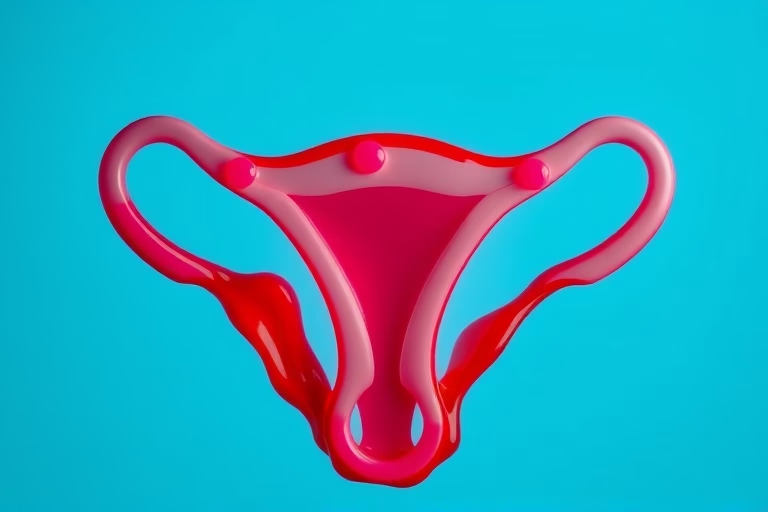
Understanding Implantation Bleeding
Implantation bleeding occurs when a fertilized egg attaches itself to the lining of the uterus. This can happen approximately 6 to 12 days after conception. Some women may notice light spotting during this time, which can be confused with their menstrual cycle. One of the common questions around this phenomenon is whether implantation bleeding smells like a period. Understanding the differences can help women determine whether they are experiencing a typical menstrual cycle or possible early pregnancy.
The smell associated with implantation bleeding can vary. Some women report that the smell is similar to that of their menstrual period, while others do not notice any particular odor. Often, the light spotting associated with implantation is much less than a regular period, and the odor may not be as pronounced. It is essential to consider other symptoms of early pregnancy and consult a healthcare provider for any concerns. Awareness of these differences can not only alleviate anxiety but also contribute to informed decisions regarding pregnancy health.
Characteristics of Implantation Bleeding
Recognizing the characteristics of implantation bleeding is crucial for women who might be pregnant. This includes the timing, color, and flow of the spotting. Implantation bleeding usually occurs a week before a missed period, making it a potential early sign of pregnancy. The spotting may be light pink or brown, contrasting with the bright red color typically associated with menstrual bleeding.
In terms of flow, implantation bleeding is usually very light. Women may only notice some spotting on toilet paper or a panty liner. In contrast, menstrual bleeding tends to be heavier and may include clots. The smell can also be compared; menstrual blood often carries a stronger scent due to the presence of iron, which is less present in implantation bleeding. Women may experience some cramping, but these are typically mild and not as intense as menstrual cramps.
Being aware of these characteristics can help individuals differentiate between the two processes.
When to Seek Medical Attention
In certain situations, it is critical to seek medical attention. If the bleeding is heavier than a typical period, accompanied by severe pain, or includes significant clots, it may indicate a miscarriage or other medical condition. Additionally, if there are any signs of infection—such as fever, foul odor, or unusual discharge—it is essential to consult a healthcare professional.
Women should also consider taking a pregnancy test if they suspect they might be pregnant, especially if experiencing any unusual symptoms. Early detection can lead to appropriate prenatal care, which is vital for a healthy pregnancy.
Remember, while implantation bleeding is generally harmless, it is always better to err on the side of caution and consult a health professional if unsure.
Differences between Implantation Bleeding and Menstrual Blood
There are several notable differences between implantation bleeding and menstrual blood. The most obvious difference lies in blood color and consistency. As mentioned earlier, implantation bleeding tends to be a lighter hue, often pink or brown. In contrast, menstrual blood is typically bright red and may darken over the course of the period.
The flow is another distinct factor. Menstrual bleeding usually lasts longer and has a more substantial flow than implantation bleeding. Implantation bleeding lasts from a few hours up to three days, while menstrual cycles can last anywhere from three to seven days. Some women report little to no cramping with implantation bleeding, unlike the menstrual cramps that can accompany a regular period.
Recognizing these differences can help women in identifying their bodily changes and understanding their reproductive health more clearly.
Hormonal Changes and Their Impact
Hormonal changes significantly influence both menstruation and pregnancy. If a woman is pregnant, the body begins producing human chorionic gonadotropin (hCG), a hormone that maintains pregnancy. This hormone may help create slight bodily changes, such as tender breasts or fatigue. The changes in hormones are also responsible for the presence of implantation bleeding, along with changes in the sense of smell.
Estrogen and progesterone also fluctuate during the menstrual cycle and pregnancy. While the menstrual cycle sees a significant drop in these hormones, early pregnancy is characterized by rising hormone levels. This balance plays a substantial role in determining symptoms and conditions surrounding menstruation and pregnancy.
Understanding hormonal changes can provide insight into what one might expect during the early stages of pregnancy and how to distinguish between the two states.
Diet and Lifestyle Factors Affecting Symptoms
The lifestyle choices and diet of an individual can influence menstrual symptoms and the experience of early pregnancy. Maintaining a balanced diet rich in essential nutrients can help regulate hormonal balance, possibly leading to more predictable cycles. Foods high in iron, calcium, and vitamins can contribute positively to reproductive health.
Hydration is also crucial. Drinking enough water can help alleviate common symptoms associated with hormonal fluctuations, like mood swings or fatigue. Additionally, women should monitor their caffeine and alcohol intake, as these can impact hormonal levels. Limiting these substances can lead to better menstrual health and potentially improve early pregnancy experiences.
Regular exercise can also positively affect symptoms. Physical activity helps enhance mood and sustains hormonal balance, contributing to a healthier lifestyle overall.
Common Symptoms of Early Pregnancy
Understanding the common symptoms of early pregnancy can better inform individuals about their impending changes. Distinct signs can accompany implantation bleeding, including breast tenderness, nausea, fatigue, and mood swings. These symptoms may vary in severity.
Breast tenderness is frequently one of the first noticeable changes that can signal early pregnancy. The increase in hormone levels may lead to enhanced sensitivity.
Nausea and fatigue are also widespread. These symptoms are commonly referred to as morning sickness, which can occur at any time of the day. Fatigue often sets in due to hormonal changes and the body’s efforts to support the developing fetus.
Those experiencing unusual symptoms should consider taking a pregnancy test or contacting a healthcare provider.
Myths about Implantation Bleeding
There are a number of myths surrounding implantation bleeding that can mislead individuals. One common misconception is that all women will experience noticeable implantation bleeding. In reality, many women do not experience visible implantation bleeding at all. Also, some believe that the presence of implantation bleeding guarantees pregnancy, which is not always the case.
Another myth suggests that implantation bleeding is always bright red, while in fact, it can often appear pink or brown. Women may also mistakenly believe that by monitoring implantation bleeding, they can determine the exact point of conception. This, however, can prove challenging due to the variations in individual cycles and hormonal responses.
Final Thoughts
Recognizing the signs and differences between implantation bleeding and menstrual blood can provide clarity for many women during their reproductive years. Understanding that implantation bleeding can occur 6 to 12 days after conception and may have different characteristics—like color, flow, and smell—compared to menstrual bleeding, is essential for accurate interpretation.
Women must pay attention to their bodies and report any unusual changes to health professionals, warranting further evaluation. It is helpful to stay informed about common pregnancy symptoms and hormonal changes that may occur in early pregnancy, enabling women to make informed decisions regarding their health.
Education is key to navigating these changes with confidence and competence. Through discussions about potential symptoms, diet, and lifestyle factors, women can better prepare for potential pregnancy or menstrual cycles. Understanding myths surrounding implantation bleeding and being aware of when to seek help can greatly improve health outcomes.
Overall, whether experiencing implantation bleeding or menstruation, maintaining a healthy lifestyle, managing stress, and consulting healthcare professionals are vital for optimal reproductive health.
Frequently Asked Questions
Further Reading
What Type of Psychotherapy Is Best for Anxiety?