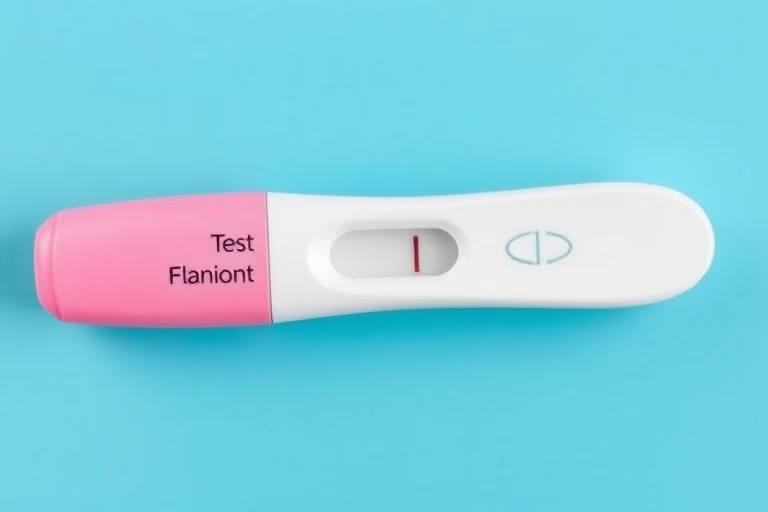
Understanding Implantation Bleeding
Implantation bleeding is a light spotting that can occur when a fertilized egg attaches itself to the uterine lining. This event typically takes place between 6 to 14 days after conception, making it a key indicator for many women who are trying to conceive. Distinguishing implantation bleeding from a regular menstrual period is crucial; it usually appears lighter in color, often pink or brown, and is much lighter in flow. Knowing about implantation bleeding can help in understanding when it might be the right time to take a pregnancy test.
Timing of Pregnancy Tests
Understanding when to take a pregnancy test after experiencing implantation bleeding is essential for accurate results. Many women may be unsure about the best timing for testing, often wondering if the hormones detected by a pregnancy test are high enough to yield reliable results. It is generally advised to wait at least a few days after implantation bleeding, as this allows for the hormone levels to rise adequately for the test to detect. Most home pregnancy tests are sensitive enough to detect human chorionic gonadotropin (hCG) levels about a week after a missed period, which typically aligns closely with the timing of implantation bleeding.
HCG Levels and Their Significance
Human chorionic gonadotropin, or hCG, is a hormone produced during pregnancy. After implantation, this hormone begins to rise and is responsible for a positive result on pregnancy tests. In most cases, hCG levels can be detected in the urine or blood around 10 days post-implantation. Testing too early may result in a false negative due to low hCG levels. Those who experience implantation bleeding should consider this timeline and utilize tests that are highly sensitive for the most accurate results.
Types of Pregnancy Tests Available
There are various types of pregnancy tests available including urine tests and blood tests. Urine tests, commonly used at home, are convenient and user-friendly. On the other hand, blood tests, conducted by healthcare professionals, are typically more sensitive and can detect pregnancy earlier than urine tests. It is important to choose a test that fits the situation, especially if uncertainty remains regarding timing after spotting due to implantation bleeding.
Symptoms Following Implantation Bleeding
After experiencing implantation bleeding, some women may notice additional symptoms associated with early pregnancy. Common signs include fatigue, nausea, breast tenderness, and frequent urination. Although these symptoms can vary significantly from woman to woman, they are commonly reported during the early stage of pregnancy. Recognizing these signs may assist in determining when to take a pregnancy test.
What to Do After Implantation Bleeding
After noticing implantation bleeding, it is advisable to monitor any further signs and symptoms. Many women opt to wait a few days before performing a pregnancy test as prolonged waiting can increase the chance of receiving an accurate result. Keeping a record of symptoms, bleeding patterns, and any other notable changes can help in managing expectations regarding pregnancy testing.
Factors Affecting Test Timing
Several factors can influence the timing of taking a pregnancy test after noticing implantation bleeding. These may include the regularity of menstrual cycles, individual hormonal levels, and the sensitivity of the pregnancy test. Women with irregular cycles might find it more challenging to determine the right time for testing, while those with regular cycles may have a clearer idea. Understanding these individual factors can aid in achieving the most accurate test results.
Consulting a Healthcare Professional
If there is any uncertainty about symptoms or testing after implantation bleeding, it is wise to reach out to a healthcare professional. They can provide personalized advice, guidance for next steps, and potentially perform a blood test if required. For anyone experiencing unusual symptoms or complications, seeking professional input can be crucial.
Final Thoughts
Determining how soon to take a pregnancy test after implantation bleeding encompasses various factors including timing, test types, and individual health indicators. It is generally recommended to wait a few days following the bleeding before testing to ensure the results are accurate and reflective of hCG hormone levels.
To summarize, understanding when to take a pregnancy test can greatly assist in managing the initial stages of pregnancy. Implantation bleeding acts as a significant marker, aiding many women in their journey. Each test should be approached with careful consideration of timing, type, and any accompanying symptoms.
For those trying to conceive, staying adequately informed can empower decisions on when and how to test effectively. Each woman’s body is unique, and personalized approaches often lead to the best outcomes.
Frequently Asked Questions
It is generally recommended to wait at least 3-5 days after implantation bleeding before taking a pregnancy test for the most accurate results.
Implantation bleeding may appear as light spotting that is pink or brown and differs from the heavier flow usually associated with menstrual periods.
Testing immediately after implantation bleeding may yield a false negative. It is best to wait a few days for hCG levels to rise sufficiently.
No, some pregnancy tests are more sensitive than others and can detect lower levels of hCG hormone. It may be beneficial to choose a highly sensitive test.
Yes, if you experience heavier bleeding or any unusual symptoms after implantation bleeding, it is advisable to consult a healthcare professional for guidance.
Further Reading
What Type of Psychotherapy Is Best for Anxiety?