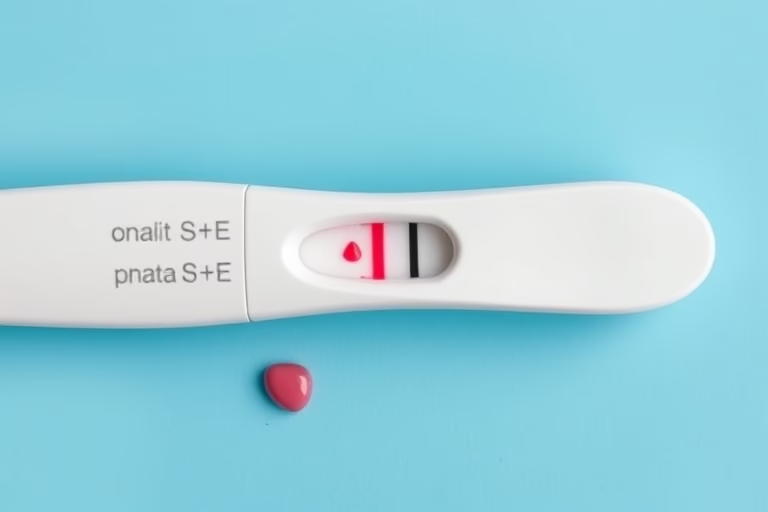
Understanding Implantation Bleeding
Implantation bleeding is a crucial early sign of pregnancy that many women may experience. It occurs when a fertilized egg attaches itself to the lining of the uterus. This can lead to light spotting, which can often be mistaken for a light menstrual period. Understanding when to look for implantation bleeding and timing a pregnancy test effectively can be vital for women trying to conceive.
Implantation bleeding usually happens about 6 to 12 days post-conception, as the embryo implants itself into the uterine wall. This bleeding can vary in color from pink to brown and is generally much lighter than a normal menstrual period. Recognizing this bleeding can provide women with an essential clue that they might be pregnant.
Recognizing the Signs of Implantation Bleeding
To understand implantation bleeding better, it is essential to recognize its signs. Women may notice the following:
- Light spotting that differs from a normal period.
- Color that ranges from pink to brown.
- No heavy flow or clots present.
- Timing that occurs in line with ovulation.
The experience of implantation bleeding varies among women. Some may notice it distinctly, while others might not experience any spotting at all. The intensity and duration can also vary, but it typically lasts from a few hours to a few days.
When Does Implantation Bleeding Occur?
Implantation bleeding typically occurs 6 to 12 days after conception. This corresponds with the luteal phase of the menstrual cycle. Most women can expect this bleeding around the time their next period would be due. It is crucial to understand this timing in relation to ovulation, which helps in distinguishing between implantation bleeding and an early period.
The luteal phase, which follows ovulation, prepares the body for a possible pregnancy. If the egg is fertilized, implantation occurs, leading to the different symptoms associated with early pregnancy, including spotting. For those charting their ovulation, being aware of this timing can aid in identifying successful conception.
How to Confirm Pregnancy After Bleeding
Once implantation bleeding is noted, many women want to confirm their pregnancy through a test. Understanding when to take a pregnancy test is essential for accurate results. Home pregnancy tests work by detecting the hormone hCG, which begins to rise after implantation.
The best time to take a pregnancy test is typically around one week after spotting occurs. This allows sufficient time for hormone levels to rise to detectable levels. Testing too early may lead to inaccurate results. For best results, wait until the first day of a missed period to ensure the accuracy of the test.
Difference Between Implantation Bleeding and Menstrual Period
Distinguishing between implantation bleeding and a menstrual period is crucial for women who are actively trying to conceive. The differences include:
- Color: Implantation bleeding is often lighter, pinkish or brown, while menstrual blood is typically bright red.
- Flow: Bleeding related to implantation is generally much lighter and lasts for a shorter time than a normal period.
- Timing: Implantation bleeding occurs 6 to 12 days post-ovulation, while menstrual periods occur approximately 14 days following ovulation.
Understanding these differences can reduce confusion and better prepare women for pregnancy tests and possible early pregnancy symptoms.
Common Symptoms Associated with Early Pregnancy
Women should watch for various early signs of pregnancy beyond implantation bleeding. These symptoms may include:
- Chest tenderness and swelling.
- Fatigue and increased tiredness.
- Nausea or morning sickness.
- Frequent urination.
- Mood swings and food cravings.
While these symptoms can also align with premenstrual syndrome, their presence alongside implantation bleeding can indicate a possible pregnancy. It’s best to take a pregnancy test if these symptoms occur after spotting.
Factors Influencing Pregnancy Test Accuracy
Many factors can influence the accuracy of pregnancy tests. Some include:
- The sensitivity of the test: Various tests can detect different hCG levels.
- The timing of the test: Testing too early or late can alter accuracy.
- Improper usage: Not following instructions may yield incorrect results.
- Medical conditions that can affect hormone levels.
For the most reliable results, women should choose a high-sensitivity pregnancy test and carefully follow instructions, including timing when to take their test.
Understanding Early Pregnancy Loss
While implantation bleeding can be a sign of pregnancy, early pregnancy loss is a possibility. It is unsettling, but it does happen due to various factors, such as hormonal imbalances, genetic abnormalities, or uterine conditions. Being aware that not all pregnancies will result in a live birth can ease some anxiety surrounding the early stages of pregnancy.
Women who experience heavy bleeding or severe pain may require medical attention. Understanding this possibility is essential in practicing self-care and emotional support as well as consulting healthcare professionals when necessary.
Final Thoughts
Understanding implantation bleeding and knowing when to take a pregnancy test can serve as an essential part of the journey for women trying to conceive. From recognizing the signs of implantation bleeding, understanding when it occurs, and knowing how to confirm a pregnancy—timely information can make a difference.
Knowing the difference between implantation bleeding and menstrual periods is also vital in determining whether to take a pregnancy test. Watching for common pregnancy symptoms and understanding the factors influencing test accuracy can mitigate confusion surrounding the early pregnancy journey.
It’s typical to have concerns regarding early pregnancy loss. Women should maintain open communication with healthcare providers, address their feelings, and seek professional guidance when necessary. The fears associated with conception and pregnancy can be eased through facts and understanding. With proper attention to timing and symptoms, women can approach this time with informed engagement.
Frequently Asked Questions
1. How soon after implantation bleeding can I take a pregnancy test?
It is best to take a pregnancy test about one week after implantation bleeding to ensure accurate results.
2. How long does implantation bleeding last?
Implantation bleeding generally lasts from a few hours to a few days and is usually much lighter than a regular period.
3. Can I confuse implantation bleeding with my period?
Yes, it is possible. However, implantation bleeding is typically lighter, and its timing differs from a regular period.
4. What should I do if I experience heavy bleeding after implantation?
If you experience heavy bleeding or severe pain, it is important to consult a healthcare professional.
5. Is it normal to have no symptoms with implantation bleeding?
Yes, some women may have implantation bleeding without any accompanying symptoms, which can still indicate pregnancy.
Further Reading
What Type of Psychotherapy Is Best for Anxiety?