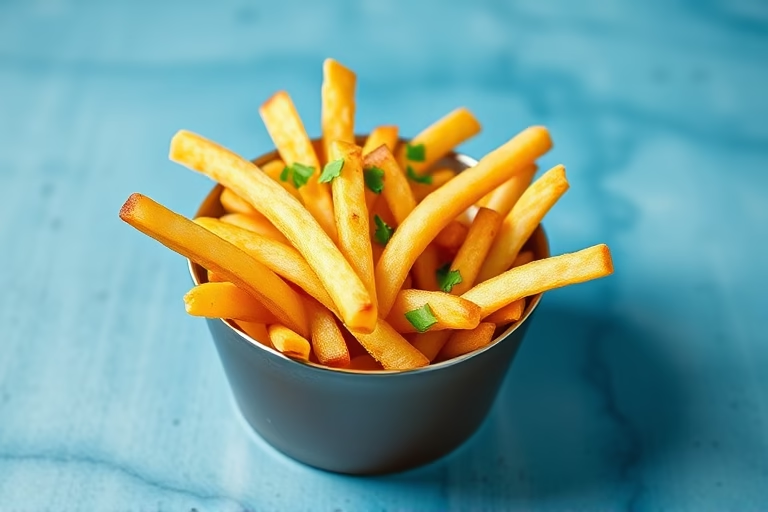
We will be talking about IVF French fries. In recent times, the term IVF French fries has gained attention, particularly in discussions surrounding fertility, lifestyle, and dietary choices. The term IVF refers to in vitro fertilization, a medical procedure that helps individuals and couples overcome fertility challenges. The mention of French fries appears to suggest a unique fusion between common fast food cravings and the more serious topic of assisted reproductive technology. However, this intersection emphasizes the impact of lifestyle and dietary habits on reproductive health and overall well-being. Understanding how food choices, such as indulgent snacks like French fries, can influence fertility and health is crucial for those undergoing IVF or considering it as an option. This blog will explore various angles of this topic, including dietary suggestions, lifestyle changes, emotional support, and more.
Understanding IVF and Its Impact on Fertility
In vitro fertilization is a medical procedure in which an egg and sperm are combined outside of the body to create an embryo. This advanced form of assisted reproductive technology offers couples the hope of conceiving when traditional methods have not been successful. The process involves several essential steps, including ovarian stimulation, egg retrieval, fertilization, embryo culture, and embryo transfer.
Individuals considering IVF often feel a range of emotions, from hope to anxiety. It is important to understand how various factors, including nutrition, can significantly affect the outcome and overall experience of IVF. Studies suggest that a balanced diet may play a vital role in enhancing fertility, improving egg quality, and supporting successful embryo development.
Furthermore, particular food items may either support fertility or hinder it. Therefore, understanding which foods contribute positively to reproductive health is essential for those undergoing IVF treatment.
In the context of IVF, it’s essential to consider how our food choices impact our health and fertility. While occasional indulgence in French fries and other comfort foods may be enjoyable, it’s crucial to maintain a diet that supports reproductive health primarily.
The Role of Nutrition in IVF Success
The importance of nutrition cannot be overstated when it comes to undergoing IVF. A well-planned diet can enhance the probability of successful fertilization and implantation. Consuming foods rich in essential vitamins and minerals can positively affect hormone levels and overall reproductive health.
Key nutrients such as folic acid, Omega-3 fatty acids, antioxidants, and vitamins C and E are particularly beneficial. Folic acid, for instance, is essential for cell division and is critical during the early stages of pregnancy. Omega-3 fatty acids support hormone production and regulation, promoting a healthy reproductive system.
While it’s tempting to indulge in French fries, it is advisable to focus on healthier cooking methods and ingredients. For example, consider homemade baked potato wedges with a sprinkle of olive oil instead of deep-fried options. This adjustment could offer a satisfying alternative without compromising nutritional value.
Aside from the direct impact on fertility, a healthy diet can also affect mood and energy levels during the IVF process. A balanced diet rich in nutrients helps combat fatigue, improves mental clarity, and supports emotional well-being, which is essential during such a significant life event.
The Psychological Aspect of Diet During IVF
Going through IVF can be an emotionally charged experience. The pressure of creating a family, coupled with the possible ups and downs of the process, can lead individuals to seek comfort in food. Fast food like French fries can sometimes provide a temporary emotional boost.
However, it’s crucial to recognize that while eating these comfort foods is normal, relying on them can lead to feelings of guilt or anxiety. This paradox of enjoyment and guilt may further affect emotional well-being. Thus, establishing a balanced relationship with food is essential during IVF.
Developing coping strategies, such as journaling or engaging in physical activities, can lead to healthier emotional management rather than succumbing to unhealthy eating habits. Building a support system, whether through friends, family, or support groups, may also ease the psychological burden.
By navigating the emotional landscape with a healthier relationship with food, individuals can maintain a more balanced approach to eating, making informed choices that align with their fertility goals.
Incorporating Healthy Alternatives to French Fries
When wanting a satisfying snack similar to French fries, consider healthier alternatives that still provide that crispy texture and flavor. Sweet potato fries baked in the oven are an excellent substitute. Rich in beta-carotene, fiber, and vitamins, sweet potatoes support overall health while satisfying cravings.
For those desiring a heartier option, zucchini fries or cauliflower bites offer delectable alternatives. Both are low in calories and packed with nutrients beneficial for reproductive health. Pairing these veggie snacks with homemade dips, like Greek yogurt or hummus, adds flavor without unhealthy fats.
Additionally, air frying is a popular method to achieve that crispy texture without the excess oil found in deep frying. By cooking vegetables or even whole grains in an air fryer, individuals can enjoy their favorite flavors while prioritizing health.
Opting for healthy cooking begins at home. Implementing a meal prep routine ensures the availability of nutritious options to satisfy cravings while promoting overall well-being during the IVF process.
Physical Activity: A Complement to a Healthy Lifestyle
Incorporating regular physical activity significantly boosts overall health and can enhance the IVF journey. Exercise can help manage stress, improve hormonal balance, and support cardiovascular health, all of which are vital when trying to conceive.
Choosing enjoyable activities, such as walking, swimming, or yoga, can create a sense of empowerment and promote a positive mindset. While high-impact workouts may not always be advisable during IVF treatment, moderate and low-impact exercises can be beneficial. For example, yoga focuses on relaxation, which may help alleviate anxiety and enhance emotional well-being.
Furthermore, engaging in outdoor activities or group classes can also nurture social connections and enhance mood, creating a holistic approach to wellness during IVF.
It’s essential to listen to one’s body and tailor any fitness routine to accommodate energy levels and personal preferences. Exercise should feel supportive rather than burdensome during this journey.
Emotional Support Throughout IVF
The emotional rollercoaster of IVF necessitates a robust support system tailored to individual needs. Friends and family can provide understanding, encouragement, and practical assistance, proving invaluable during difficult times.
Participating in groups with individuals who share similar experiences can create a safe space to express feelings, fears, and hopes. Community support fosters resilience and helps to combat feelings of isolation.
The potential for stress or anxiety during the IVF process means that recognizing one’s emotional state becomes ever more crucial. Seeking professional counseling or therapy can provide deeper insights and coping strategies.
Emotional well-being is as essential as physical health in enhancing the IVF experience. Therefore, maintaining an open dialogue about feelings, expectations, and aspirations within a chosen support system is vital.
Holistic Approaches to Improve IVF Outcomes
In addition to traditional medical interventions and lifestyle changes, exploring holistic approaches may also benefit those undergoing IVF. Practices such as acupuncture, massage therapy, and mindfulness have shown promise in improving reproductive health.
Acupuncture, for example, may help increase blood flow to the ovaries, regulate hormones, and alleviate stress levels. Incorporating mindfulness or meditation practices can enhance mental clarity and emotional stability, providing reassurance during a potentially tumultuous time.
Integrating these practices into daily life can foster a sense of relaxation and control. Holistic approaches encourage individuals to actively participate in their well-being journey and provide supportive environments conducive to fertility.
Final Thoughts
In understanding IVF French fries, we uncover a unique overlap of culinary indulgence and the pursuit of reproductive health. It serves as a reminder that food plays a remarkable role not only in our enjoyment of life but also in our physical and emotional well-being, especially in the face of fertility challenges. While the allure of comfort food is undeniable, our focus should pivot towards a well-balanced diet rich in nutrients that directly support reproductive health and foster emotional stability.
Choosing healthful alternatives to traditional French fries can satisfy cravings while providing the body with necessary vitamins and nutrients. It is equally vital to recognize the essential role of physical activity in enhancing health outcomes, along with cultivating emotional support systems that validate experiences and feelings.
By adopting a comprehensive approach that blends balanced nutrition, exercise, emotional well-being, and holistic practices, individuals can navigate the IVF journey with resilience and hope. Every small choice collectively contributes to a larger picture of health and wellness, reinforcing the capacity to create the family one dreams of.
Before embarking on IVF, consulting with a qualified healthcare provider for personalized dietary and lifestyle recommendations comes highly recommended. Building a solid foundation of health fosters a supportive environment for the journey ahead.
FAQs
IVF French fries represent the intersection of diet, lifestyle, and fertility, particularly focusing on how dietary choices may influence IVF outcomes.
Indulging in French fries can hinder fertility efforts. However, opting for healthier alternatives may provide both satisfaction and nutrition.
Focus on foods rich in Omega-3 fatty acids, antioxidants, and vitamins while prioritizing whole foods and reducing processed options.
Yes, moderate exercise can help enhance physical well-being and emotional stability during the IVF process; listen to your body and tailor workouts accordingly.
Managing stress through practices such as mindfulness, yoga, and seeking support can lead to improved emotional health, significantly benefiting the IVF journey.
Further Reading
What Type of Psychotherapy Is Best for Anxiety?