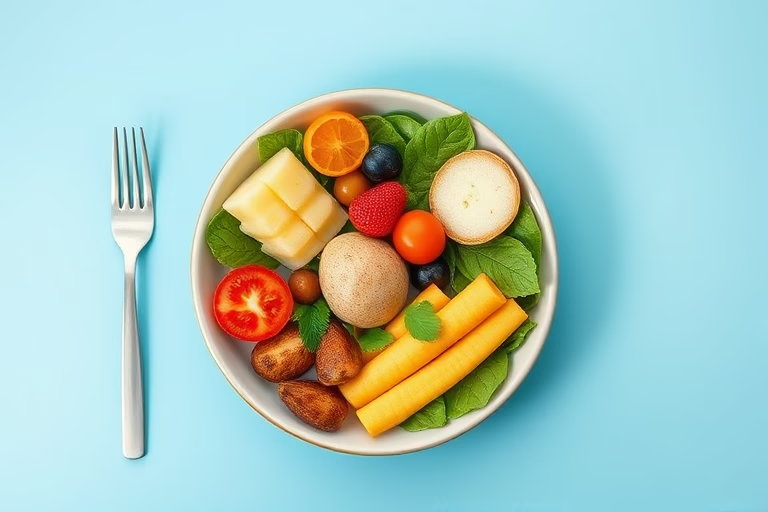
In this article, we are discussing the best food to eat during IVF treatment. In vitro fertilization (IVF) is a complex and meticulous process that involves multiple steps, including hormone therapy, egg retrieval, fertilization, and embryo transfer. During this time, the nutritional needs of individuals undergoing IVF can significantly influence the success of the treatment. Proper nutrition supports overall health, hormone balance, and reproductive function, all of which can enhance the chances of a successful pregnancy. Eating the right foods during this crucial phase provides essential vitamins, minerals, and energy while promoting optimal body function.
Understanding IVF and Nutrition
The process of IVF begins with hormone medications aimed at stimulating the ovaries to produce multiple eggs. These eggs are then retrieved, fertilized in a lab, and the best embryos are selected for transfer into the uterus. Nutrition plays a vital role in this process. Specific nutrients are critical for hormonal balance, egg quality, and embryo development.
For instance, folate, a B-vitamin, is essential for DNA synthesis and cell division, making it vital for both egg quality and embryo growth. Omega-3 fatty acids, found in fish and walnuts, are known to reduce inflammation and may improve reproductive health. On the other hand, a high intake of processed foods, sugars, and unhealthy fats can negatively affect fertility by contributing to hormonal imbalance and inflammation.
Therefore, a well-balanced diet rich in whole foods including fruits, vegetables, lean proteins, and healthy fats is necessary during IVF treatment. It is not merely about eating “superfoods” but rather creating an overall diet that supports fertility and overall well-being.
Fruits and Vegetables
Fruits and vegetables are high in essential vitamins, minerals, and antioxidants that help protect eggs and support overall health. Antioxidants like vitamins C and E, as well as Selenium, help reduce oxidative stress, which can adversely affect egg and sperm quality.
When focusing on fruits, berries, oranges, and leafy greens like spinach or kale are excellent choices. Incorporating a variety of colors ensures a broad spectrum of nutrients. Most importantly, berries are rich in antioxidants, which can help mitigate DNA damage.
Including a rainbow of vegetables such as bell peppers, carrots, and beets can also contribute to overall health. These foods are not only nutrient-dense but low in calories. Eating a variety of fruits and vegetables ensures an adequate intake of fiber, which can aid in digestion and hormone regulation.
Hence, daily consumption of a mix of fruits and vegetables aids in maintaining healthy body functions and supports fertility efforts.
Whole Grains
Whole grains are an important source of energy, contributing to stable blood sugar levels. Foods such as brown rice, quinoa, oats, and whole wheat bread are rich in fiber and can help prevent insulin resistance, a condition that has been linked to poorer fertility outcomes.
Whole grains also contain essential nutrients like B vitamins and zinc, which are necessary for hormone production and regulation within the body. These nutrients can facilitate optimal ovarian function.
It may be beneficial to limit refined grains found in white bread and pastries as they can cause rapid spikes in blood sugar levels, leading to inflammation and hormonal imbalance. Instead, swapping refined grains for whole grains serves not only to improve metabolic health but may also enhance the body’s response to fertility treatments, like IVF.
Including a healthy source of whole grains is foundational in maintaining energy levels and supporting overall health during the IVF process.
Lean Proteins
Proteins play a crucial role in repairing tissue, producing hormones, and supporting embryo development. Incorporating lean protein sources such as chicken, turkey, fish, legumes, and tofu can provide necessary amino acids required for reproductive health.
Fish, particularly fatty fish like salmon, is an excellent source of Omega-3 fatty acids, known to improve fertility through their anti-inflammatory properties. Omega-3s also play a role in promoting overall well-being and hormone regulation.
It’s essential to avoid processed meats during IVF since they can lead to increased inflammation within the body, negatively affecting fertility outcomes.
Incorporating a variety of lean protein sources not only aids in building and repairing tissues but can also have a positive impact on hormonal function, which is critical during IVF treatment.
Dairy and Calcium-Rich Foods
Dairy products and other calcium-rich foods provide essential nutrients such as calcium and vitamin D, which are vital for reproductive health. Low-fat yogurt, cheese, and even fortified plant-based milks can be rich in these nutrients.
Calcium is crucial for proper cellular function, including the processes involved in fertilization. Studies have suggested that women who consume adequate amounts of dairy may promote their chances of conception.
However, it is essential to choose low-fat or full-fat dairy options based on individual dietary preferences. Including nut-based sources of calcium, such as almonds and sesame seeds, can also contribute to overall calcium intake.
Optimal calcium intake may not only improve fertility outcomes but also support fetal development once pregnancy occurs.
Healthy Fats
Healthy fats, such as those found in avocados, olive oil, nuts, and seeds, are fundamental to maintaining a healthy hormonal environment. These fats help in the absorption of fat-soluble vitamins like A, D, E, and K, which are essential for reproductive health.
Omega-3 and Omega-6 fatty acids are particularly noteworthy as they have been linked to improved fertility and reproductive outcomes. While Omega-6 fats are commonly found in many foods, it’s critical to ensure a balance with Omega-3 fats for optimal health.
A key recommendation is to limit saturated fats found in fried and processed foods as they can negatively impact fertility by increasing inflammation within the body.
Incorporating healthy fats into the diet can improve hormonal balance and enhance the body’s response to IVF treatments.
Hydration
Staying hydrated is essential during IVF, as proper hydration aids in optimal cellular function and nutrient absorption. Water is integral in maintaining all bodily functions, including regulating body temperature, delivering nutrients, and removing waste.
Inadequate hydration can lead to decreased blood flow and nutrient transport to reproductive organs. Herbal teas and fresh fruit-infused water can also offer hydration while providing added antioxidants and electrolytes, beneficial during treatment.
A general recommendation is to aim for at least 8 cups of water daily, adjusting for individual lifestyle factors. Monitoring urine color can also gauge hydration levels; pale yellow signifies adequate hydration.
Hydration supports all physiological processes, making it a key aspect of nutrition during IVF treatment.
Supplements: What You Need to Know
While whole foods should form the foundation of dietary intake, certain supplements can play a supportive role during the IVF process. Folic acid is a primary supplement recommended to reduce the risk of neural tube defects in the developing baby.
Other supplements, such as Coenzyme Q10 and Omega-3 supplements, may contribute positively by improving egg quality and enhancing overall reproductive health.
Always consult a healthcare provider before initiating any supplementation, as appropriate dosages and types can vary based on individual health needs.
Incorporating necessary supplements along with a nutritious diet can provide comprehensive support during IVF treatments.
Final Thoughts
In conclusion, nutrition plays a significant role throughout the IVF treatment process. The best food choices, including a mix of fruits, vegetables, whole grains, lean proteins, dairy products, healthy fats, and proper hydration, can significantly impact the chances of successful IVF. These foods contribute essential nutrients critical for hormonal balance, egg and embryo health, and overall reproductive function.
A balanced diet focused on whole foods can alleviate stress and support the body during this challenging period. Supplementation may further enhance outcomes but should be tailored to each individual’s needs through consultation with a healthcare provider. Establishing a routine of healthy eating habits not only provides immediate benefits but sets the stage for long-term health and well-being for both parents and their future child.
Navigating the IVF process may feel overwhelming, but understanding the impact of nutrition makes it manageable. By bringing awareness to food choices and how they affect the body, individuals undergoing IVF can empower themselves towards achieving their reproductive goals.
Frequently Asked Questions
-
What is the best diet to follow during IVF?
Incorporating a balanced diet rich in whole foods, including fruits, vegetables, whole grains, lean proteins, dairy, and healthy fats, is recommended during IVF to support reproductive health.
-
Are there specific foods to avoid during IVF?
Avoiding processed foods, trans fats, added sugars, and excessive caffeine can promote hormonal balance and improve overall health during the IVF process.
-
How much hydration is needed during IVF?
It is advisable to aim for at least 8 cups of water daily during IVF, adjusting for individual lifestyle needs to ensure proper hydration and overall bodily functions.
-
Should I take supplements during IVF?
While a nutritious diet is paramount, certain supplements like folic acid may be beneficial. Consult with a healthcare provider about specific recommendations suited to your individual health.
-
Can diet really affect IVF outcomes?
Yes, research shows that a nutrient-rich diet can significantly enhance egg quality, optimize hormonal balance, and improve various aspects of fertility, positively impacting IVF outcomes.
Further Reading
What Type of Psychotherapy Is Best for Anxiety?