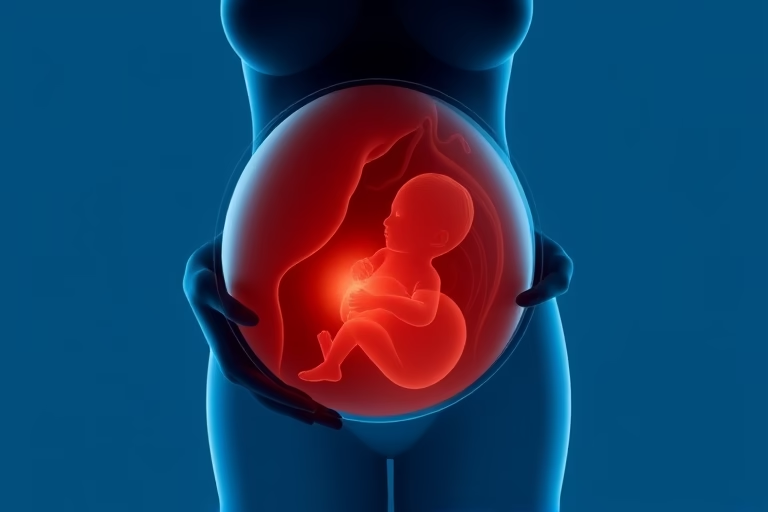
We will be talking about IVF ectopic pregnancy, a critical topic in reproductive health. When a fertilized egg implants outside of the uterus, typically in a fallopian tube, it leads to an ectopic pregnancy. This situation can occur in women who have undergone in vitro fertilization (IVF), as the process can increase the likelihood of ectopic implantation. Understanding IVF ectopic pregnancy is vital because it poses significant health risks, including internal bleeding and may threaten future fertility. In contrast to a normal pregnancy, an ectopic pregnancy cannot proceed to term and necessitates immediate medical intervention. Through this article, we will explore various aspects of IVF ectopic pregnancy, offering insights into its causes, diagnosis, treatment options, and the implications for future pregnancies.
Understanding IVF Ectopic Pregnancy
IVF ectopic pregnancy can be a deeply challenging experience for those trying to conceive. The technology behind IVF often helps couples overcome fertility obstacles, yet it can also bring about unforeseen complications. Ectopic pregnancies occur in about 1-2% of all pregnancies, and despite the increased risk with IVF, they are not exclusively related to assisted reproductive technology.
The fertilized egg typically implants in the uterus, where it can grow and develop. In the case of an ectopic pregnancy, the egg implants in a location outside of the uterus, often in a fallopian tube. This can lead to severe complications, including hemorrhage. Symptoms may include abdominal pain, vaginal bleeding, and shoulder pain. Proper diagnosis often involves blood tests and imaging studies. If an ectopic pregnancy is diagnosed, immediate treatment is necessary to prevent life-threatening issues.
Symptoms of Ectopic Pregnancy
Recognizing the symptoms of ectopic pregnancy is crucial for timely medical intervention. The signs are similar to those of a normal pregnancy initially, which can lead to confusion. Some common symptoms include:
- Severe abdominal pain
- Unusual vaginal bleeding
- Lightheadedness or fainting
- Shoulder pain
- Nausea or vomiting
In the early stages, there may be mild symptoms, but as the condition progresses, the pain may become debilitating. This pain is typically focused on one side of the abdomen. It is essential to seek medical assistance if any of these symptoms arise, especially if they are severe or sudden.
Causes of Ectopic Pregnancy
Several factors can contribute to the development of ectopic pregnancies post-IVF. Some of the known risk factors include:
- Previous ectopic pregnancies
- Pelvic inflammatory disease (PID)
- Endometriosis
- Scar tissue from previous surgeries
- Tubal surgery or ligation
Women undergoing IVF may have pre-existing conditions that can increase the likelihood of an ectopic pregnancy. Additionally, the methodology of embryo transfer can sometimes lead to the embryo implanting in a less than ideal location. Understanding personal and medical history is essential for assessing risks.
Diagnosis of Ectopic Pregnancy
To diagnose an ectopic pregnancy, healthcare professionals commonly use a combination of blood tests and imaging techniques. The initial step often includes:
- Blood tests to measure levels of human chorionic gonadotropin (hCG)
- Transvaginal ultrasound to visualize the reproductive organs
Abnormal hCG levels can indicate that a pregnancy is not progressing normally. While a normal pregnancy often results in steadily increasing hCG levels, this may not be the case in ectopic pregnancies. Transvaginal ultrasound provides a closer look at the ovaries, uterus, and fallopian tubes, helping to identify the location of the pregnancy.
Treatment Options for Ectopic Pregnancy
The treatment for ectopic pregnancy is crucial to protect the woman’s health and future fertility. There are several options available:
- Medication: Methotrexate can be administered to stop the growth of the embryo and allow the body to absorb the pregnancy tissue.
- Surgery: In cases where the ectopic pregnancy has ruptured or if there is risk of rupture, surgical intervention may be necessary. This can either be laparoscopic or open surgery, depending on the situation.
- Observation: If the ectopic pregnancy is detected early and there are no immediate health risks, doctors may opt for careful monitoring to see if the pregnancy resolves naturally.
The chosen method of treatment often depends on the size and location of the ectopic pregnancy, as well as the patient’s overall health and preferences. Early diagnosis often leads to better treatment outcomes.
Impact on Future Pregnancies
Having an ectopic pregnancy can raise concerns for future fertility and the ability to conceive. Many women who have had an ectopic pregnancy can still achieve a successful pregnancy later on, although certain factors must be taken into consideration. Women are encouraged to consult with their healthcare provider to discuss individual risks and the potential for future conception.
Fertility may be impacted based on the extent of the damage to the reproductive organs. For example, if surgery is necessary, the removal of a fallopian tube can lead to reduced fertility. In such cases, women may consider IVF or other assisted reproductive technologies as options for future pregnancies. It is essential to have a thorough evaluation and discussion with a fertility specialist.
Emotional and Psychological Effects
Going through an ectopic pregnancy can be emotionally taxing. Women may experience feelings of loss, anxiety, and depression. Support systems, including counseling or support groups, can be beneficial in coping with the psychological aftermath of an ectopic pregnancy. It is important for women to seek support from loved ones and healthcare professionals who understand the emotional ramifications.
Lifestyle changes, such as stress reduction techniques or counseling, may help with the healing process. It is crucial for women to prioritize mental health during this challenging time.
Final Thoughts
If you are facing the reality of IVF ectopic pregnancy, understanding the implications is vital. Early detection and treatment are essential to prevent severe complications. It is crucial to recognize the symptoms and seek immediate medical attention whenever necessary.
Taking proactive steps, such as maintaining open communication with healthcare providers, can help manage any potential future concerns about fertility. Women who have experienced ectopic pregnancies are encouraged to learn about their reproductive health, as knowledge empowers decision-making for future family planning.
The emotional aspects should not be overlooked. Seeking mental and emotional support from professionals can be beneficial for healing.
Although an ectopic pregnancy is a challenging experience, many women go on to have healthy pregnancies afterwards. Engaging in supportive care and comprehensive discussions with healthcare teams can lead to a sense of empowerment and hope for the future. Remember to take care of both physical and emotional health, as both are crucial components in navigating life after an ectopic pregnancy.
Frequently Asked Questions
1. What are the main signs of an ectopic pregnancy?
Common signs include severe abdominal pain, unusual vaginal bleeding, shoulder pain, and lightheadedness. Seek medical attention if these symptoms occur.
2. How is an ectopic pregnancy treated?
Treatment options can include medication (such as Methotrexate), surgery, or careful observation based on the situation’s severity and health condition.
3. Can I have children after an ectopic pregnancy?
Many women go on to have successful pregnancies after experiencing an ectopic pregnancy, although it is essential to consult with a fertility specialist for individual evaluations.
4. What causes an ectopic pregnancy?
Factors can include previous ectopic pregnancies, pelvic inflammatory disease, endometriosis, and certain surgical histories that affect the fallopian tubes.
5. Is IVF safe if I had an ectopic pregnancy?
IVF can still be a viable option after an ectopic pregnancy, but it is essential to discuss your specific situation with a fertility specialist to assess risks and considerations.
Further Reading
What Type of Psychotherapy Is Best for Anxiety?