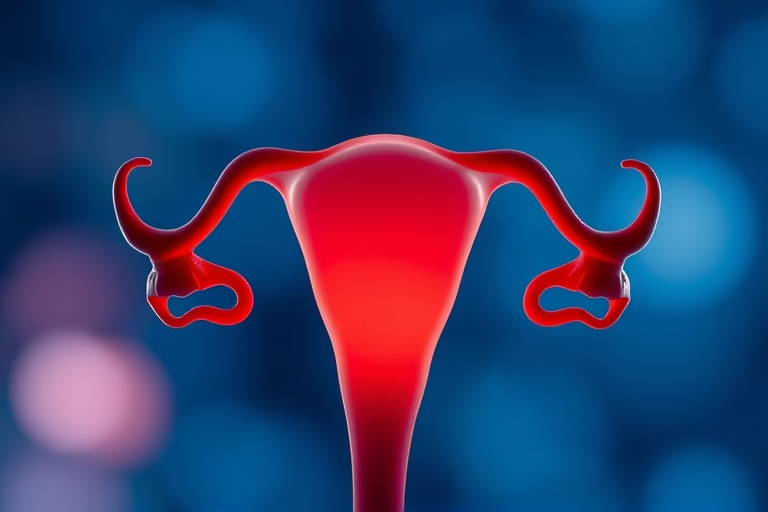
We will be talking about estrogen priming for IVF. Estrogen priming refers to a specific medication protocol used in preparation for in vitro fertilization (IVF). This approach is designed to enhance the responsiveness of the ovaries to stimulation hormones, particularly in women who may not respond optimally to standard IVF protocols. During the process, estrogen is administered in the hormone therapy cycle before ovarian stimulation begins. This method can lead to improved ovarian response, better egg quality, and ultimately, may increase the chances of a successful pregnancy. The concept of estrogen priming lies in its ability to prime the ovaries, making them more receptive to gonadotropins (the hormones that stimulate ovulation) when they are finally introduced. This technique is particularly beneficial for women with diminished ovarian reserve or those facing difficulties in prior IVF cycles. This article explores various aspects of estrogen priming for IVF and provides a comprehensive understanding of its implications and advantages.
What is Estrogen Priming?
Estrogen priming is a process where exogenous estrogen is administered to prepare the ovaries before starting the ovarian stimulation phase in IVF. It is particularly useful in women who have a history of poor ovarian response or those with diminished ovarian function. This protocol usually involves administering estrogen for a certain period, typically a couple of weeks, to help synchronize and prime the ovaries to respond more effectively to later stimulation with follitropin or other gonadotropins. The goal is to create a more favorable environment for egg development, which can lead to collecting more high-quality eggs during the IVF cycle.
The science behind estrogen priming is supported by research indicating that it enhances follicular development by improving the ovarian microenvironment. For women who have undergone previous unsuccessful IVF attempts, this approach can be hopeful, as it addresses the underlying issues that may have impeded their success. Human-controlled clinical trials have shown promising outcomes associated with the use of estrogen priming, leading to recommendations for incorporating this method into IVF protocols for specific patient group.
Estrogen priming typically starts on the second or third day of the menstrual cycle and can last anywhere from 7 to 14 days, depending on the protocols used by the fertility specialist. Subsequent to this period, the standard IVF stimulation cycle will commence, allowing for observation of the enhanced ovarian response.
Benefits of Estrogen Priming for IVF
The implementation of estrogen priming in IVF protocols is backed by numerous advantages. One notable benefit is the potential increase in the number and quality of eggs retrieved. The technique enhances ovarian response, allowing for a higher yield of mature eggs, which can significantly improve the chances of successful fertilization and ultimately, pregnancy.
Another benefit is the more balanced hormonal environment that estrogen priming can create. By stabilizing hormone levels early in the cycle, it can lead to a smoother transition into the stimulation phase. Additionally, this method may help mitigate the risk of ovarian hyperstimulation syndrome (OHSS) in certain patients, which can be a serious complication of IVF that results from excessive response to hormonal stimulation.
Estrogen priming has shown to be especially effective in patients who have experienced previous unsuccessful IVF attempts. By enhancing ovarian reserve and response, it can turn previous failures into promising outcomes. Therefore, it provides not just hope but a practical solution for patients struggling with infertility.
Furthermore, studies have highlighted the importance of patient-tailored fertility treatments. Estrogen priming aligns with this principle by providing a customized approach for women whose clinical profiles suggest they may benefit from this preparatory period before stimulation. It allows fertility specialists to create personalized treatment plans that account for individual hormonal profiles and fertility histories.
Who Can Benefit from Estrogen Priming?
Estrogen priming is primarily beneficial for women who have a documented history of poor ovarian response during IVF cycles. This often includes women of advanced maternal age and those with diminished ovarian reserve. Conditions such as polycystic ovary syndrome (PCOS) may also influence ovarian response, and estrogen priming could be a useful strategy in such cases.
Individuals who have endured multiple failed IVF cycles may find that this technique offers a new direction for their fertility treatment. By addressing the specific physiological needs of these women, estrogen priming can significantly alter their IVF experience. Women who have undergone fertility treatments that did not yield a sufficient number of mature eggs or who faced complications during stimulation cycles may also be well-suited to this approach.
Moreover, women with specific endocrine disorders that may affect their ovarian function may receive benefits from estrogen priming. Each case is unique, and a thorough evaluation by a fertility specialist is critical for determining the appropriateness of this intervention.
It is important to note that the applicability of estrogen priming must be assessed on an individual basis, taking into account not only the woman’s age and ovarian reserve but also other health factors and personal fertility goals.
How is Estrogen Priming Administered?
The administration of estrogen priming varies based on the fertility clinic’s protocols and the individual treatment plan devised by a fertility specialist. Generally, it takes place in the early phases of the menstrual cycle, with estradiol valerate or oral estradiol being the most commonly utilized forms of estrogen.
Initial dosing typically begins on the second or third day of menstruation, where patients may receive daily doses for a period ranging from one to two weeks. The specific dose and duration will be tailored to fit the individual’s needs and medical history.
Close monitoring is vital during the estrogen priming stage. Fertility specialists often schedule ultrasounds and hormone level evaluations to assess the response of the ovaries to the estrogen being administered. These evaluations help guide the timing for initiating ovarian stimulation with gonadotropin injections.
Once the estrogen priming phase is deemed adequate, the ovarian stimulation process begins. Gonadotropins may be introduced, and continued monitoring will follow to ensure the ovarian response is optimal. This step-by-step process illustrates the precision involved in utilizing estrogen priming as part of an IVF protocol.
Expected Outcomes of Estrogen Priming for IVF
Women who undergo estrogen priming may experience various positive outcomes. One of the most critical is the increase in the number of mature egg retrievals during IVF cycles. Studies have shown that women receiving estrogen priming may yield more eggs than those who do not.
The quality of the eggs is also a significant aspect of IVF success, and estrogen priming is associated with enhanced egg quality, which is essential for fertilization and embryo development. High-quality embryos are correlated with higher implantation rates and successful pregnancies.
Another outcome to expect is the possible reduction in the incidence of complications, such as ovarian hyperstimulation syndrome. By carefully managing hormone levels and ensuring a gradual response from the ovaries, patients may find that estrogen priming makes IVF cycles safer and more tolerable.
Individual results may vary, and success can be affected by numerous factors including age, underlying fertility issues, and overall health. Continuous communication with a fertility specialist can help patients set realistic expectations regarding their IVF cycle after estrogen priming.
Conclusion
Estrogen priming for IVF presents a promising option for women who may have struggled with infertility or who have had poor responses to previous IVF attempts. Primarily beneficial for those with diminished ovarian reserve or advanced maternal age, this method allows for enhanced ovarian performance and egg quality, thus increasing the chances of success in assisted reproductive technologies.
By understanding the fundamentals of estrogen priming, its benefits, who can use it, the administration process, and expected outcomes, patients can engage with their fertility journey more informed and better prepared. Clinical studies provide supportive evidence regarding its efficacy and suggest that it can help improve the overall IVF experience for many women.
It is essential for people undergoing fertility treatment to have a collaborative relationship with their healthcare providers. Personalized approaches such as estrogen priming can be explored as crucial aspects of fertility means. Those with unique reproductive challenges may find renewed hope in this method, making it critical to consult with specialists who can guide the treatment process effectively.
Frequently Asked Questions
Estrogen priming involves administering estrogen to enhance ovarian response before starting the stimulation phase in IVF. This can lead to better egg quality and quantity.
Women with diminished ovarian reserve, older age, or those who have previously undergone unsuccessful IVF cycles may benefit from estrogen priming.
Estrogen is usually given early in the menstrual cycle for about one to two weeks, and close monitoring is conducted before initiating IVF stimulation.
Benefits include improved egg retrieval rates, enhanced egg quality, and potential reduction in complications associated with IVF.
As with any medical intervention, there may be risks such as hormonal imbalances; a thorough medical evaluation is essential to assess suitability.
Further Reading
What Type of Psychotherapy Is Best for Anxiety?