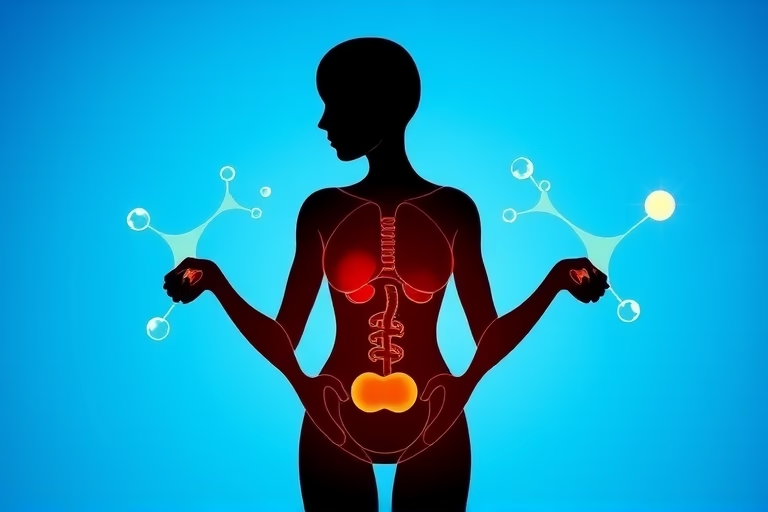
We will be talking about IVF hormones side effects. In vitro fertilization (IVF) is a process that aids couples facing fertility challenges. Hormones play a crucial role in this process, as they are used to stimulate the ovaries and prepare the body for embryo implantation. However, while these hormones are vital for increasing the likelihood of conception, they can also lead to various side effects. Understanding IVF hormones and the potential side effects they bring is essential for anyone considering this fertility treatment. Getting informed can help individuals make better decisions and manage their expectations throughout this journey.
The hormones commonly used in IVF include follicle-stimulating hormone (FSH), luteinizing hormone (LH), and human chorionic gonadotropin (hCG). These hormones stimulate the ovaries to produce multiple eggs rather than the single egg that typically develops during a natural menstrual cycle. While hormones help in achieving successful fertilization, they can cause a variety of physical and emotional side effects. These may include mood swings, bloating, weight gain, and even more severe reactions like ovarian hyperstimulation syndrome (OHSS). Understanding these potential side effects helps individuals better prepare for the emotional and physical aspects of IVF.
Understanding Hormonal Treatments in IVF
IVF treatments typically involve several hormonal medications designed to boost ovarian function. These medications usually try to mimic the natural hormonal environment of the menstrual cycle, allowing for more eggs to be produced. The most common hormones used include:
- Follicle-Stimulating Hormone (FSH): This hormone promotes the growth and maturation of ovarian follicles.
- Luteinizing Hormone (LH): This plays a role in the final maturation and release of the eggs.
- Human Chorionic Gonadotropin (hCG): This hormone triggers ovulation and facilitates the final stages of egg maturation.
When considering these hormonal treatments, it is important to weigh their potential benefits against their possible side effects.
Common Side Effects of IVF Hormones
Many individuals undergoing IVF experience physiological and emotional side effects from hormonal treatments. Common side effects include:
- Bloating and abdominal discomfort from ovarian enlargement.
- Mood swings due to hormonal fluctuations.
- Headaches and migraines linked to hormonal changes.
- Breast tenderness and enlargement.
Although these side effects are often mild and temporary, others can be more severe. It is essential for individuals considering IVF to discuss these potential effects with their healthcare providers to better understand what to expect during treatment.
Ovarian Hyperstimulation Syndrome (OHSS)
Ovarian Hyperstimulation Syndrome (OHSS) is a serious condition that can occur in response to fertility medications used in IVF. Symptoms range from mild to severe and can include:
- Severe abdominal pain and distension.
- Nausea and vomiting.
- Weight gain due to fluid accumulation.
- Shortness of breath or chest pain in severe cases.
OHSS can lead to serious complications requiring hospitalization, making awareness and early detection vital. Individuals should communicate any abrupt changes in their bodies with their medical team to manage OHSS risks effectively.
Emotional Side Effects of IVF Hormones
In addition to the physical side effects, emotional challenges often present during IVF treatments. The fluctuating hormones can lead to emotional distress, characterized by heightened anxiety, depression, or mood swings. Many individuals report feeling overwhelmed during the IVF process. Here are some tips to handle emotional side effects:
- Engage in supportive therapy to discuss and process emotional feelings.
- Practice relaxation techniques such as yoga and meditation.
- Maintain open lines of communication with partners and healthcare providers.
By recognizing the emotional side effects and implementing coping mechanisms, individuals can better manage their emotional well-being during IVF treatments.
Preparing for IVF: Best Practices
Before starting IVF treatments, individuals can take proactive steps to minimize side effects:
- Schedule consultations with healthcare professionals to clarify expectations.
- Establish a support network including family, friends, and counselors.
- Stay informed about medication schedules and dosages.
- Adopt a healthy lifestyle, incorporating regular exercise and balanced nutrition.
Proper preparation leads to a more positive IVF experience, making it easier to manage side effects effectively.
Long-term Effects of IVF Hormones
While many side effects of IVF hormones are acute and temporary, some research suggests long-term considerations. Studies have examined whether repeated cycles of IVF lead to lasting hormonal imbalances or health risks. As a result, many individuals wonder if there are any long-term side effects to worry about. Here are some considerations:
- Research shows the significant use of hormones in IVF does not drastically increase cancer risk.
- Hormonal changes seen during IVF treatment generally stabilize after treatment ends.
Discussing long-term worries with fertility specialists can ease concerns about lasting effects and help individuals make educated decisions.
Consulting Healthcare Providers
Building a strong relationship with healthcare providers is fundamental throughout the IVF process, especially concerning managing hormones and related side effects. Open communication ensures any potential side effects are monitored and addressed promptly. Important steps include:
- Regular check-ups to evaluate hormone levels.
- Immediate reporting of any concerning symptoms.
- Adjustment of treatment plans if significant side effects arise.
Taking an active role in discussions about treatment options can foster a more tailored approach for success while maintaining health throughout the process.
Final Thoughts
Understanding IVF hormones and the potential side effects is crucial for anyone considering fertility treatments. While hormonal treatments are vital to the IVF process, they also come with a range of side effects, from mild discomforts to more serious conditions like OHSS. Being informed about these side effects equips individuals to better manage their experience during treatment, emotionally and physically.
Open communication with healthcare providers is critical, to ensure any concerns are addressed effectively. Taking proactive steps, from understanding the treatment process to establishing support networks, can significantly enhance the IVF journey. As individuals consult their specialists and advocate for their health, they can navigate the effects of IVF hormones with increased confidence.
Being prepared not only aids in managing side effects but also fosters a more positive experience, showcasing the importance of individualized care and ongoing support.
Frequently Asked Questions
What are the most common hormone medications used in IVF? The most common hormonal medications include FSH, LH, and hCG. Each hormone plays a role in stimulating egg production and preparing the body for embryo implantation.
Can side effects of IVF hormones be managed? Yes, side effects can often be managed through open communication with healthcare providers, adjusting treatment plans, and adopting lifestyle changes such as relaxation techniques and a healthy diet.
What is Ovarian Hyperstimulation Syndrome (OHSS)? OHSS is a condition that occurs when the ovaries are overstimulated, leading to severe abdominal pain, weight gain, and in some cases, serious complications requiring hospitalization.
Do the side effects of IVF hormones last long-term? Most side effects are temporary and resolve after the treatment. However, concerns exist about long-term hormonal imbalances, and individuals should discuss such fears with their healthcare providers.
How long does the IVF process typically take? The IVF treatment process generally spans a few weeks from initial hormonal stimulation to embryo transfer. The total time can vary based on individual circumstances and response to treatment.
Further Reading
What Type of Psychotherapy Is Best for Anxiety?