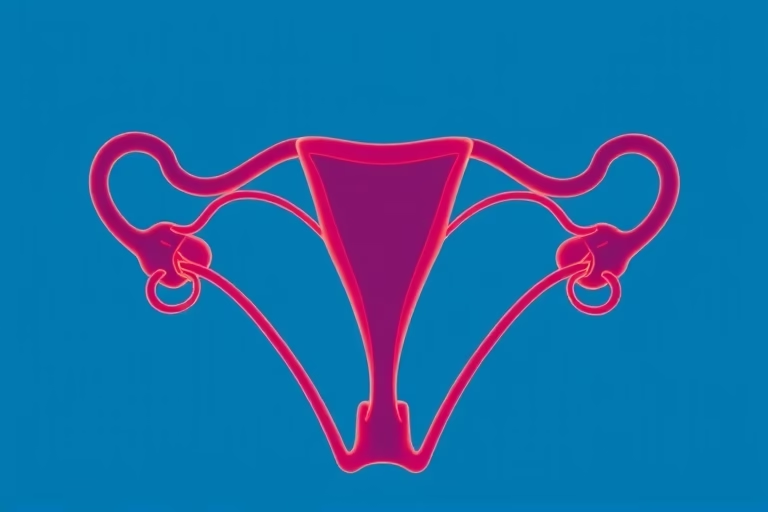
In this blog post, we will be talking about the topic of whether you can undergo In Vitro Fertilization (IVF) without fallopian tubes. Understanding the reproductive system and how IVF works is crucial for those experiencing difficulties with conception. Individuals who have had their fallopian tubes removed or blocked may wonder if IVF is still an option for them. Here, we will explore this subject comprehensively, providing insights and answering common questions.
IVF, or In Vitro Fertilization, is a medical procedure that helps couples conceive by retrieving eggs from the ovaries and fertilizing them with sperm in a laboratory setting. The resulting embryos are then implanted into the uterus. Fallopian tubes play an essential role in natural conception, as they are the site where sperm meets egg. However, the presence of fallopian tubes is not a prerequisite for IVF. Many women successfully have IVF even after the removal of their fallopian tubes due to conditions such as ectopic pregnancy, endometriosis, or other medical issues. This blog will shed light on the possibility of IVF without fallopian tubes and related topics to provide a holistic view of fertility treatment.
Understanding IVF and Fallopian Tubes
IVF is a powerful option for individuals facing infertility challenges. For couples who may have compromised fallopian tubes or had them entirely removed, the question arises about the feasibility of IVF. Fallopian tubes facilitate the journey of the egg and sperm for fertilization during natural conception. When the fallopian tubes are absent or non-functional, IVF provides an alternative route to achieve pregnancy.
In the IVF process, eggs are harvested directly from the ovaries, minimizing the reliance on the fallopian tubes’ functionality. Once fertilization occurs in a lab environment, embryos can be transferred directly into the uterus, making fallopian tubes irrelevant to the IVF process itself. This means women without fallopian tubes can still successfully conceive through IVF.
It’s essential to undergo assessments like blood tests and scans to evaluate overall reproductive health. With advancements in reproductive technology, many have utilized IVF successfully without fallopian tubes, emphasizing the importance of understanding one’s unique situation and options.
Factors Leading to Fallopian Tube Removal
Several medical conditions can lead to the removal or blockage of fallopian tubes, which directly influence reproductive health.
Common factors include:
- Endometriosis: A condition where tissue similar to the uterine lining grows outside the uterus, potentially affecting the fallopian tubes.
- Pelvic Inflammatory Disease (PID): Often resulting from sexually transmitted infections, this can lead to scarring or blockage of the tubes.
- Previous Ectopic Pregnancies: When a fertilized egg implants outside the uterus, usually in the fallopian tube, it can compromise its structure and function.
- Surgical Procedures: Previous surgeries, such as those for cyst removals or fibroid treatment, may inadvertently damage the fallopian tubes.
Understanding these factors helps in planning treatment options like IVF, as it provides context for the overall reproductive journey.
IVF Procedure Steps
The IVF process consists of several key steps aimed at ensuring a successful conception. For those without fallopian tubes, these steps are crucial as they bypass the need for tube functionality.
The steps involved are:
- Ovarian Stimulation: Hormonal medications are administered to stimulate the ovaries to produce multiple eggs.
- Monitoring: Regular ultrasounds and blood tests help track the development of the follicles housing the eggs.
- Egg Retrieval: Once the eggs are mature, a minor surgical procedure is performed to retrieve them from the ovaries.
- Sperm Collection: Sperm is collected from a partner or a donor for fertilization.
- Fertilization: The eggs and sperm are combined in the lab to allow fertilization, creating embryos.
- Embryo Transfer: One or more healthy embryos are selected for transfer into the uterus.
- Pregnancy Test: Approximately two weeks after the transfer, a blood test confirms whether pregnancy has occurred.
Each step is vital for ensuring the best potential outcomes. The absence of fallopian tubes does not hinder these procedural components, making IVF a valid option for many women.
Success Rates of IVF Without Fallopian Tubes
Success rates for IVF can vary based on numerous factors such as age, overall health, and specific fertility issues. However, studies have shown that women without fallopian tubes can achieve similar success rates to those who have functional tubes.
Factors influencing success rates include:
It is crucial to consult with a fertility specialist who can provide personalized insights and help you understand what to expect.
Emotional and Psychological Aspects
Undergoing IVF, especially in the context of significant health challenges like the loss of fallopian tubes, can lead to a range of emotional and psychological responses. Individuals may experience a rollercoaster of feelings, including hope, anxiety, and fear.
Addressing these emotional challenges is vital:
The emotional landscape of IVF needs acknowledgment, and finding supportive resources can make a significant difference.
Financial Considerations for IVF
IVF can be a costly procedure, often requiring multiple cycles for success. Financial planning is essential for individuals without fallopian tubes considering IVF.
Costs typically include:
Researching financing programs, payment plans, and insurance coverage is crucial for managing expenses associated with IVF. Many clinics may offer guidance on financial options available to prospective patients.
Choosing the Right Fertility Clinic
Selecting the appropriate fertility clinic is a significant decision, particularly for those considering IVF without fallopian tubes. There are various factors that should guide this choice.
Consider the following:
Choosing a fertility clinic is a personal decision that will impact your IVF journey significantly.
Final Thoughts
IVF without fallopian tubes is not only feasible but has also been successfully implemented by many women seeking to expand their families. Understanding the process, recognizing the factors leading to tube absence, and grasping the emotional and financial implications are significant steps for potential patients.
Women should educate themselves on their fertility options, consulting healthcare professionals and utilizing available resources. By embracing knowledge and garnering support, it is entirely possible to navigate the IVF landscape successfully, even with the absence of fallopian tubes.
Frequently asked questions can further clarify concerns regarding IVF without fallopian tubes:
- Can I get pregnant naturally without fallopian tubes? No, natural conception is not possible without functioning fallopian tubes.
- What are the alternatives to IVF? Alternatives may include adoption or surrogacy.
- How successful is IVF for women without fallopian tubes? Success rates can be comparable to those with functional tubes, depending on other health factors.
- How much does IVF cost? The cost can vary, ranging from several thousand to tens of thousands of dollars depending on various treatments.
- Do I need to have a consultation before starting IVF? Yes, consultations help tailor the approach to your specific medical needs.
Further Reading
What Type of Psychotherapy Is Best for Anxiety?